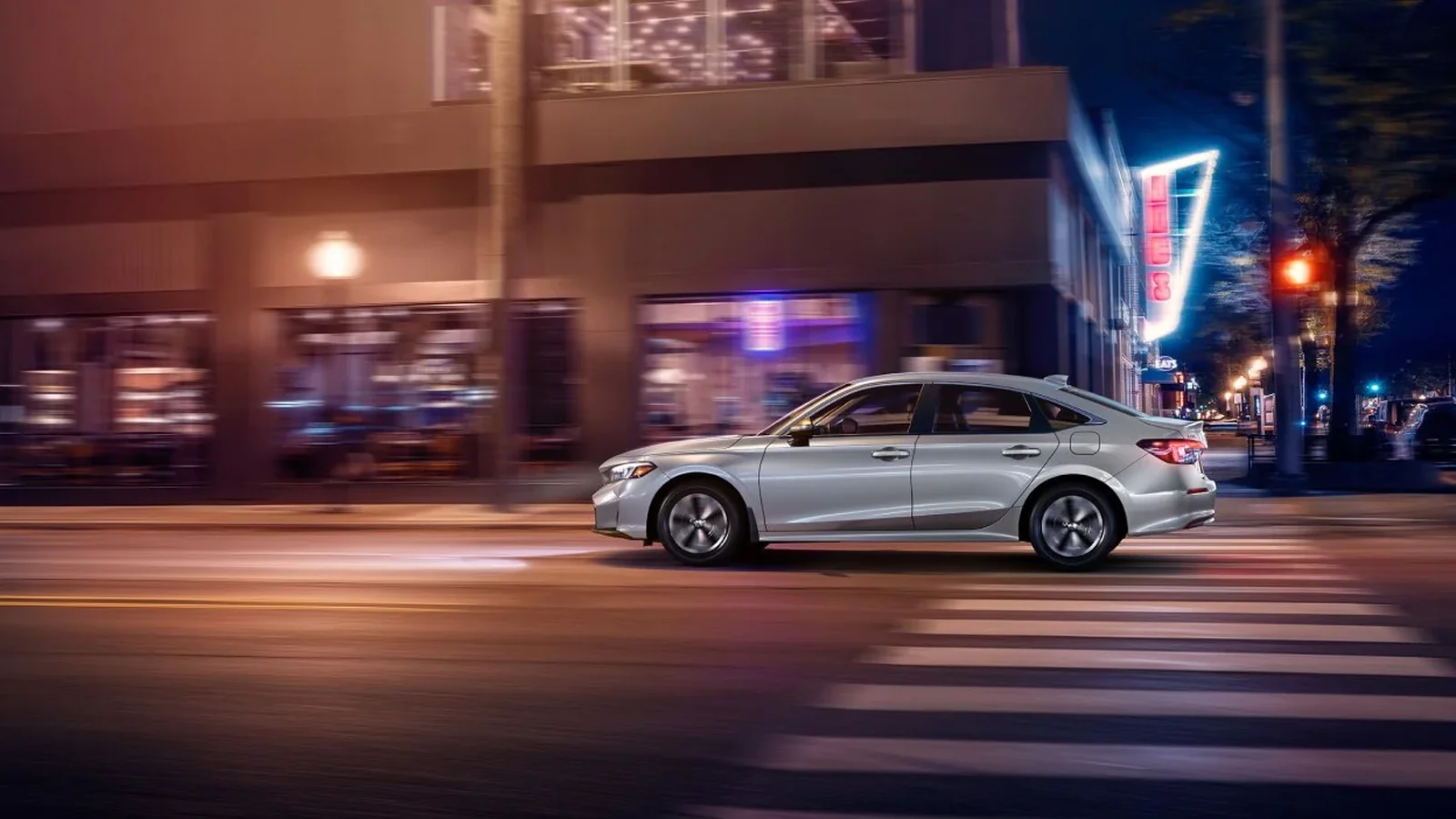
Speaking at the Reuters Automotive USA conference in Detroit on October 27, Jennifer Thomas, Senior Vice President of Corporate Affairs at American Honda Motor Co., warned that a pending U.S. tariff increase on Canadian auto and steel imports scheduled for January 1 would be “catastrophic” for the entire automotive industry. The threatened measure would double tariffs on Canadian-assembled vehicles, trucks, and parts from 25% up to 50%, alongside 50% duties on steel. Adding to the tension, U.S. Trade Representative Jamieson Greer has stated that vehicles assembled in Mexico and Canada would likely still face some level of tariffs even if the trilateral trade agreement is extended. BNN Bloomberg / Reuters
The border tax vs. the Ontario showroom: The most important distinction for local shoppers is where this tax is collected. This tariff is charged by U.S. customs on vehicles, components, and raw steel entering the United States. It is not an excise tax or sales surcharge on a Honda bought and driven in Ontario. Honda Canada sets Canadian MSRPs and incentives independently, so this border friction does not automatically raise Canadian sticker prices tomorrow.
Why Honda calls it catastrophic: Modern automotive manufacturing is deeply integrated across borders. Automotive parts frequently cross between Ontario, Michigan, and Ohio up to six or seven times before rolling off an assembly line. Slapping a 50% tariff on Canadian vehicles creates an enormous competitive distortion: recently struck U.S. trade pacts with overseas nations like Japan and South Korea carry auto tariffs of only 15%. A 50% duty on North American-assembled cars would severely penalize regional manufacturing while giving overseas imports a cost advantage.
Alliston capacity and the eighth plant question: Honda of Canada Manufacturing in Alliston, Ontario builds the Civic and CR-V for both Canadian drivers and export south. Honda's North American assembly network is already running at peak capacity. Back in August, Honda warned it may reconsider plans for an eighth North American assembly facility unless a stable trilateral trade framework is maintained. If crossing the border becomes structurally more expensive, Honda will have to balance production allocations between plants in 2027—but because plants are full, sudden shutdowns or dramatic capacity cuts are off the table.
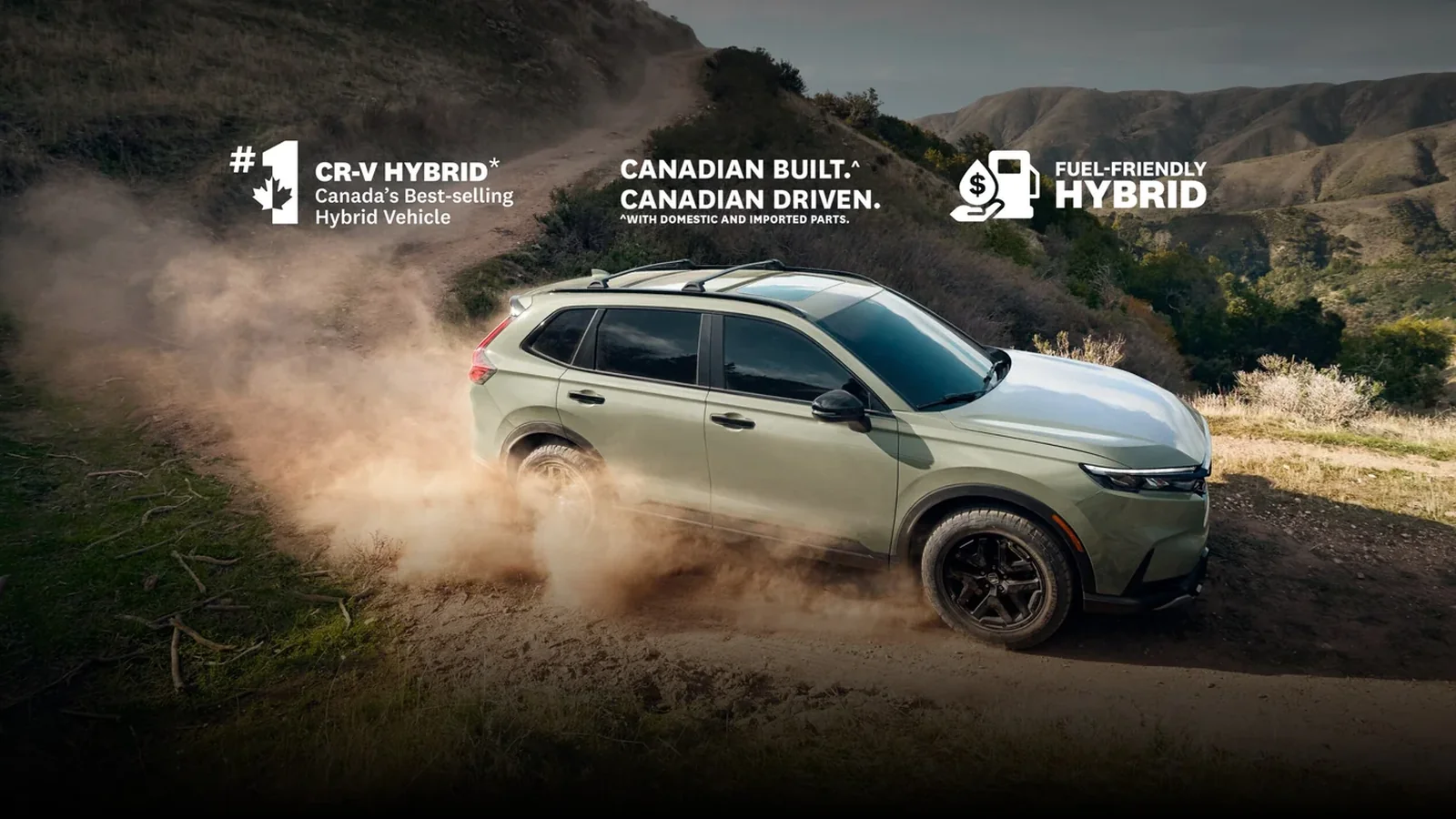
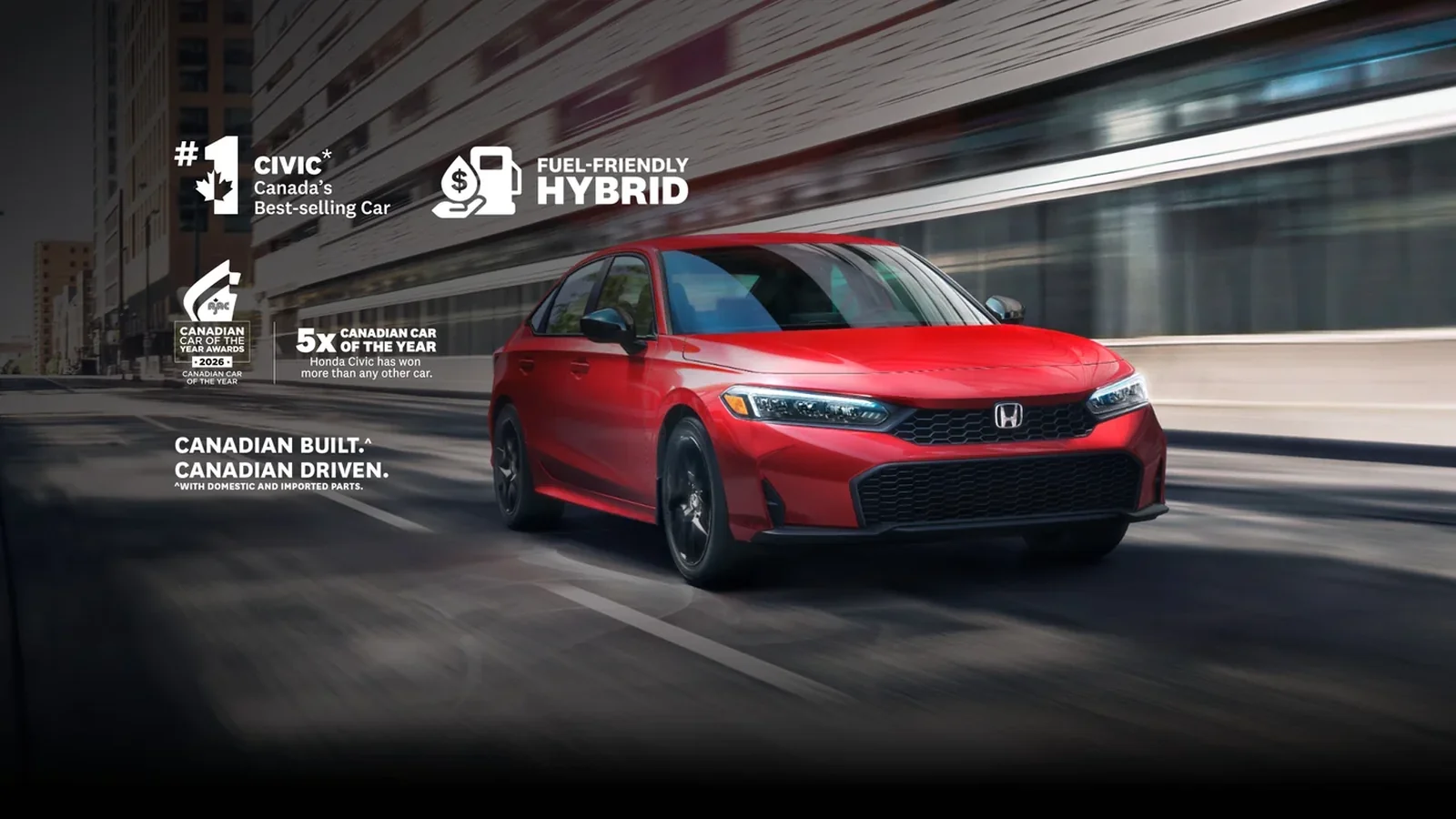
My prediction: Honda will not announce a cut to Civic or CR-V production volume, shift reductions, or model relocations at Alliston before April 30, 2027, even if the January 1 tariff hike goes ahead. Honda's North American assembly network is already running near full capacity. When manufacturing capacity is that tight, automakers absorb tariff friction and negotiate carve-outs rather than idle assembly lines. I will be proven wrong if Honda announces an Alliston production cut, a shift reduction, or moves Civic or CR-V assembly out of Alliston before April 30, 2027.
If you're buying right now: Don't let alarming tariff headlines rush your shopping timeline. A U.S. import tariff does not increase the price of a Honda on a Canadian dealer lot. If you want a vehicle assembled locally in Ontario, see which Hondas come out of Alliston, and check this month's Honda deals to see current factory lease rates, APR offers, and model availability.
Quick answers
Will a U.S. tariff hike increase Honda prices in Ontario?
No. The proposed tariff is a U.S. import duty charged on vehicles and parts entering the United States. It is not a sales tax on vehicles sold in Canada. Honda Canada establishes Canadian retail pricing independently, so local sticker prices will not automatically rise because of U.S. border tariffs.
Which Honda models are built in Canada?
Honda of Canada Manufacturing in Alliston, Ontario builds the Civic Sedan, Civic Hybrid, Civic Si, CR-V and CR-V Hybrid for the Canadian market. The Accord, HR-V, Pilot, Passport, Odyssey and Ridgeline sold in Canada are imported.
Why did Honda call the tariff hike "catastrophic"?
Speaking in Detroit, American Honda senior VP Jennifer Thomas warned that automotive parts cross North American borders multiple times during production. Slapping 50% tariffs on Canadian vehicles and steel would disrupt deeply integrated regional supply chains and place North American manufacturing at a massive disadvantage compared to overseas competitors.
Thinking about a Civic or CR-V?
I can show you what's on the lot, what's arriving, and what this month's program does to the price. No pressure.
Ask Henry a question
Get a straight answer on inventory, pricing, lease vs buy, or trade value. I reply myself.