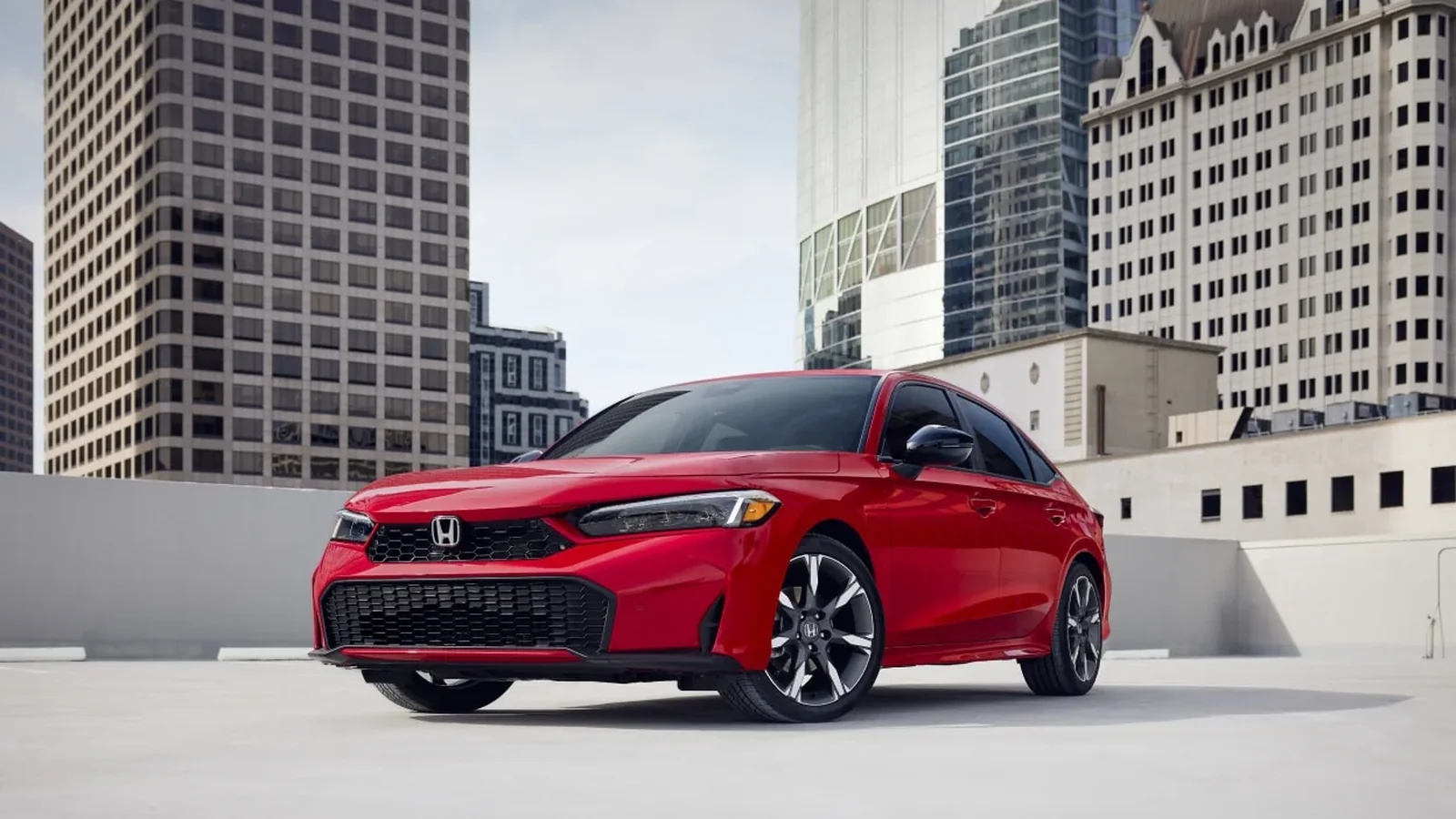
Resale value gets thrown around a lot on the sales floor, and honestly, most of it is noise. "This car holds its value" is something every brand's brochure says. What I want to walk through here is what's actually behind that claim — the mechanics of why some cars really do sell used for more of their original price than others, and why Honda tends to come out ahead more often than not.
Depreciation is steepest in year one, always
No matter the brand, the biggest single drop in a car's value happens the moment it leaves the lot and through its first year on the road — often 20% or more, sometimes closer to 30% on a vehicle that isn't in high demand. A $50,000 new vehicle can realistically be worth $40,000 a year later. That part isn't Honda-specific; it's just how new-car economics work everywhere.
Where brands actually separate from each other is what happens after that first-year cliff. Some vehicles keep sliding at a similar pace for years. Others flatten out, because there's a durable pool of used-car buyers who specifically want that model and are willing to pay for it. That's the part resale reputation is really measuring.
Why "it'll last" is a resale argument, not just a reliability one
The reason durability and resale value are so tightly linked is simple: a used buyer isn't just paying for what a car does today, they're paying for how many years they expect to get out of it. If buyers believe a used Civic or CR-V has real years left in it, more of them compete for that car, and the price holds up. If buyers are nervous about a model's long-term durability, fewer of them bid, and the price falls faster.
This isn't just a vibe. An iSeeCars longevity study — which I covered in more detail in this week's brief on the 400,000 km club — puts Honda's odds of a given vehicle reaching 400,000 km at roughly 13.3%, compared with 5.3% for Mazda and 3.4% for Nissan. That gap is exactly the kind of data point that shows up, indirectly, in what a three- or five-year-old Honda sells for on a used lot versus a comparable competitor.
Which models actually move fastest on my lot
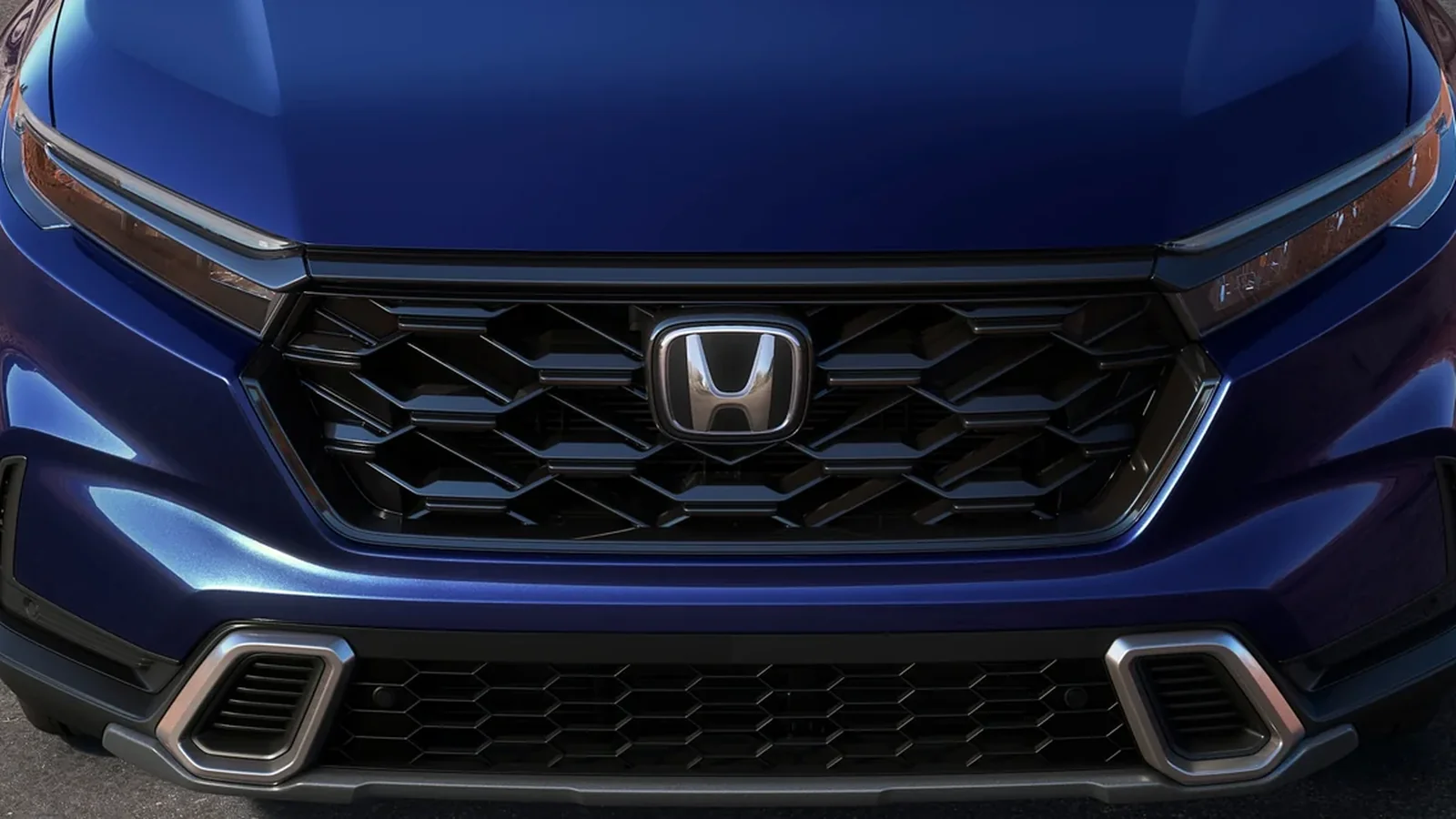
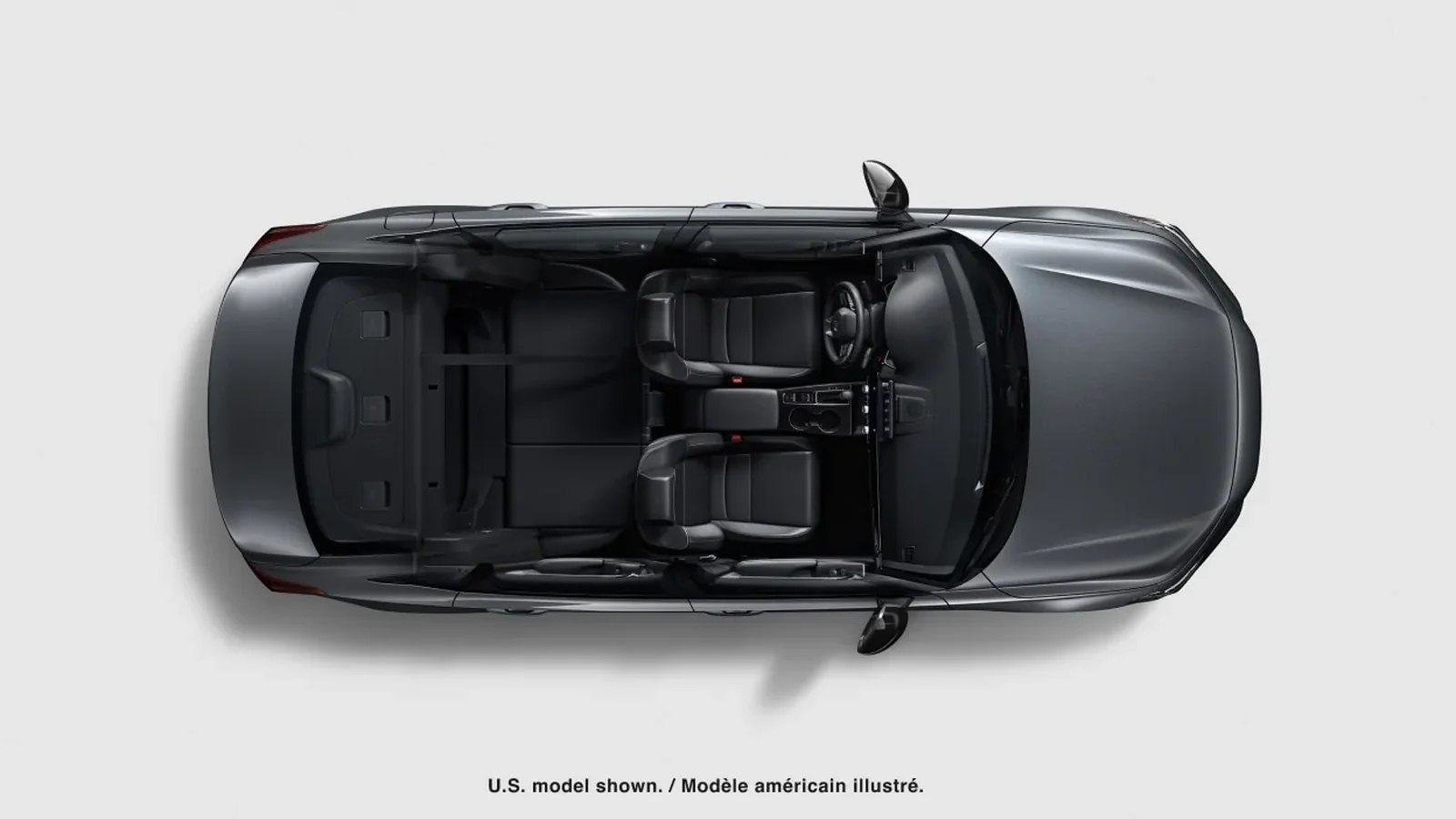
I don't need a national study to tell me this part — I see it every week. CR-V and Civic are the two Hondas that turn over fastest as used inventory in Vaughan, and it isn't close. Part of that is simply volume: there are more of them on the road, so there's always a buyer looking for one. Part of it is that they're the two models most GTA drivers already trust, so a used one doesn't need much convincing.
That demand shows up directly on today's best pre-owned Honda — the CR-V and Civic Sport Hybrid picks are usually the ones that get the most texts asking "is this still available," because buyers already know what they're looking at.
Leasing changes who owns this risk
If you lease, none of this is technically your problem. Honda Financial Services sets a residual value at signing and absorbs the gap if the car is worth less than that at turn-in — that's part of what you're paying for in the lease structure. If you finance or pay cash, you own the depreciation curve directly and completely, which is exactly why picking a model and trim with strong resale demand matters more to a financed buyer than to a lessee.
Henry's rule of thumb: if you're financing for 6-7 years, lean toward the trim level and colour that's easiest to sell used later — not just the one loaded with options you'll use for the first year and forget about after.
What actually protects resale value on your specific car
- Mainstream colour. White, black, grey and silver sell faster used than a bold or unusual colour, even if the unusual colour is more fun to drive today.
- A documented service history. Most used vehicles don't come with paper service receipts, but a Honda serviced at a dealership shows up in the CARFAX Canada report — that's the trail a used buyer (or their salesperson) can actually check.
- Honda Certified Pre-Owned, if you're buying used yourself. A CPO Honda carries a 7-year / 160,000 km limited powertrain warranty from the original in-service date, on top of the standard exchange privilege and 100-point inspection — protection that shows up as a real number when it's your turn to sell or trade it in. I wrote more about that program in this Certified Pre-Owned Honda guide.
- Mileage relative to age. A five-year-old car with 60,000 km reads very differently to a used buyer than the same car with 150,000 km, even if both are mechanically sound.
Honda Certified Pre-Owned — the terms that matter for resale
| Powertrain warranty | 7 years / 160,000 km, from the original in-service date |
|---|---|
| Inspection | Honda Canada mandated 100-point inspection |
| Exchange privilege | 7-day / 1,000 km, whichever comes first |
| Vehicle history | CARFAX Canada report included with every CPO vehicle |
Source: Honda Canada Certified Used Vehicle program, cuv.honda.ca.
The honest bottom line
Nobody can promise you an exact number your car will fetch in five years — anyone who does is guessing. What I can tell you, from both the data and from watching cars move through this lot every week, is that reliability reputation and resale value aren't two separate things. They're the same thing, seen from two different angles. Buy (or keep) a Honda that a lot of other people will still want in five years, and the resale side of the math mostly takes care of itself.
Frequently asked, Vaughan edition
Do Hondas really hold their value better than other brands?
Reputation for durability is a real driver of resale demand, and it's backed by data: an iSeeCars longevity study found Honda vehicles have roughly a 13.3% chance of reaching 400,000 km, versus 5.3% for Mazda and 3.4% for Nissan. A car buyers believe will last longer commands a stronger used price, because the pool of people willing to buy it used is bigger.
Which Honda models tend to hold value best in the GTA?
On the lot in Vaughan, CR-V and Civic are the two nameplates that move fastest as used inventory and hold price most consistently, simply because demand for them never really slows down — they're the two highest-volume Hondas on the road, so there's always a buyer on the other side of a trade-in.
Does leasing or financing matter for resale value?
If you lease, resale value isn't your problem at turn-in — Honda Financial Services absorbs that risk in the residual it set at signing. If you finance or pay cash, you own the depreciation curve directly, which is exactly why the model and trim you pick matters more when you're financing than when you're leasing.
Want help with Honda resale value from a real human?
Henry Chen at Maple Honda will walk you through the numbers in plain English — no pressure, no scripted pitch. Book a test drive online, or text a photo of any written quote to (647) 523-6878 for a free 15-minute review.
Ask Henry a question
Not ready to book anything? Just ask. Henry Chen answers every message himself — usually within a couple of hours during business hours. No call list, no pressure, and no obligation to buy anything.