I understand why people ask for SUVs. They feel practical. They offer an easier step-in height. They look ready for winter and weekend trips. For many families, an SUV is exactly right.
But a surprising number of customers describe a life that does not actually require one. They commute alone, carry groceries, park in tight spaces, and want to keep the payment under control. They are shopping for an SUV because it feels like the safe default, not because their week demands it.
That is why I do not recommend an SUV to every customer.
The first question I ask is not “How many seats?”
I ask, “Who is in the vehicle most of the time?”
If the honest answer is one person, sometimes two, I want to know why we are starting with a larger body style. If the answer is two adults, two children, a stroller, sports equipment, and regular highway travel, the SUV conversation becomes much stronger.
The goal is not to talk you out of a vehicle. It is to make sure the vehicle earns its place in your budget.
When a Civic may be the better answer
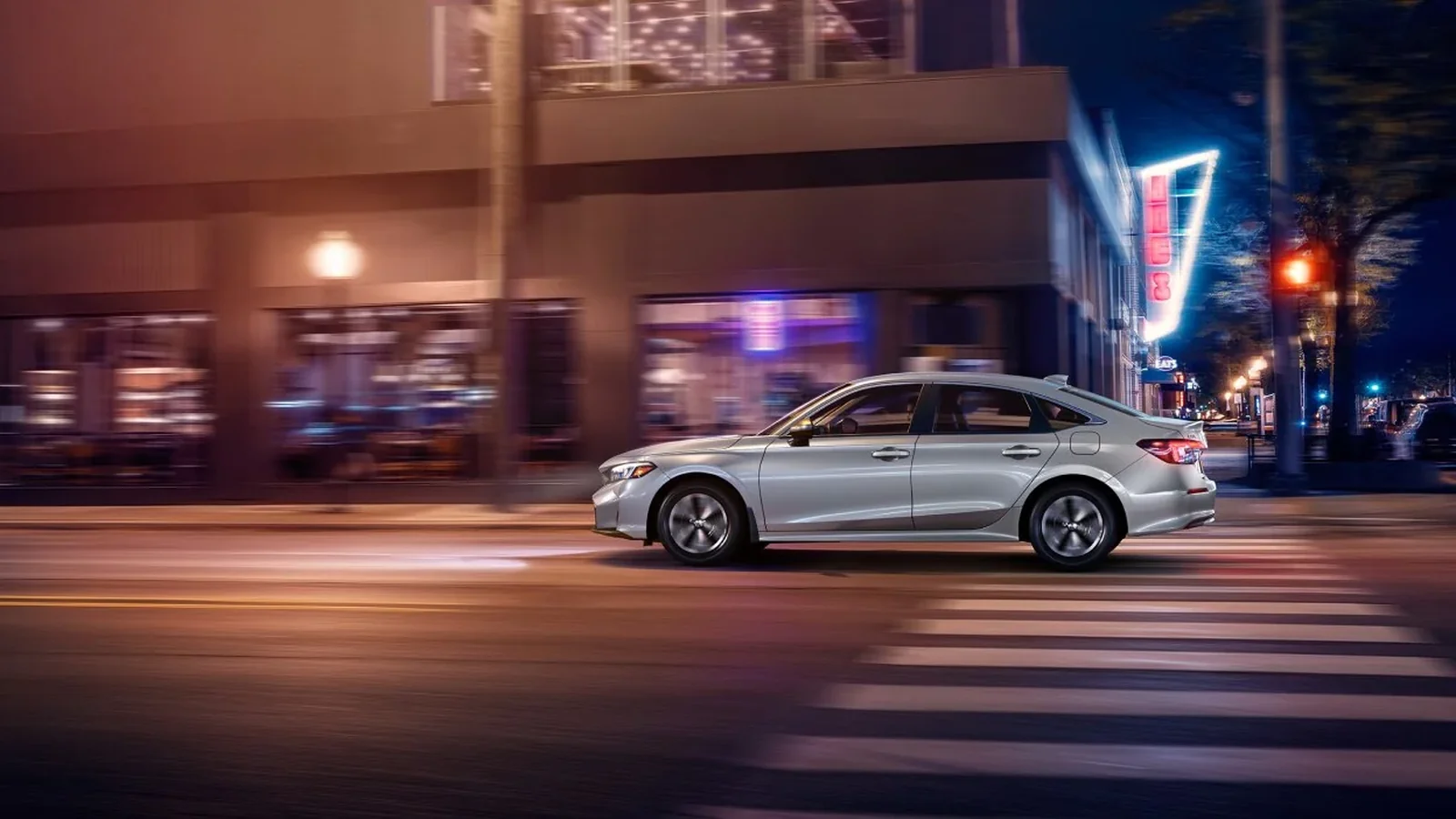
If your week is mostly commuting, errands, and normal city driving, I want you to drive the Civic Hybrid before you commit to an SUV.
You may still choose the SUV afterward. That is fine. But the comparison matters because you may discover that the sedan already covers your real needs, while the money you save can stay in your budget for insurance, winter tires, maintenance, or the next family expense.
My opinion: do not pay for extra height and cargo volume you will rarely use just because the vehicle category is popular.
When the HR-V is the sensible middle ground
Some buyers genuinely want a crossover. They prefer the seating position, the hatchback opening, or the feeling of a smaller SUV. That is where I would put the HR-V into the conversation.
It can be a better fit than moving straight to a CR-V when the buyer wants an easier footprint and does not regularly carry a full family load. It is also a useful step for someone moving up from a small car without wanting the biggest vehicle in the parking lot.
My opinion: the right-sized crossover is better than an oversized one chosen out of habit.
When the CR-V really does make sense
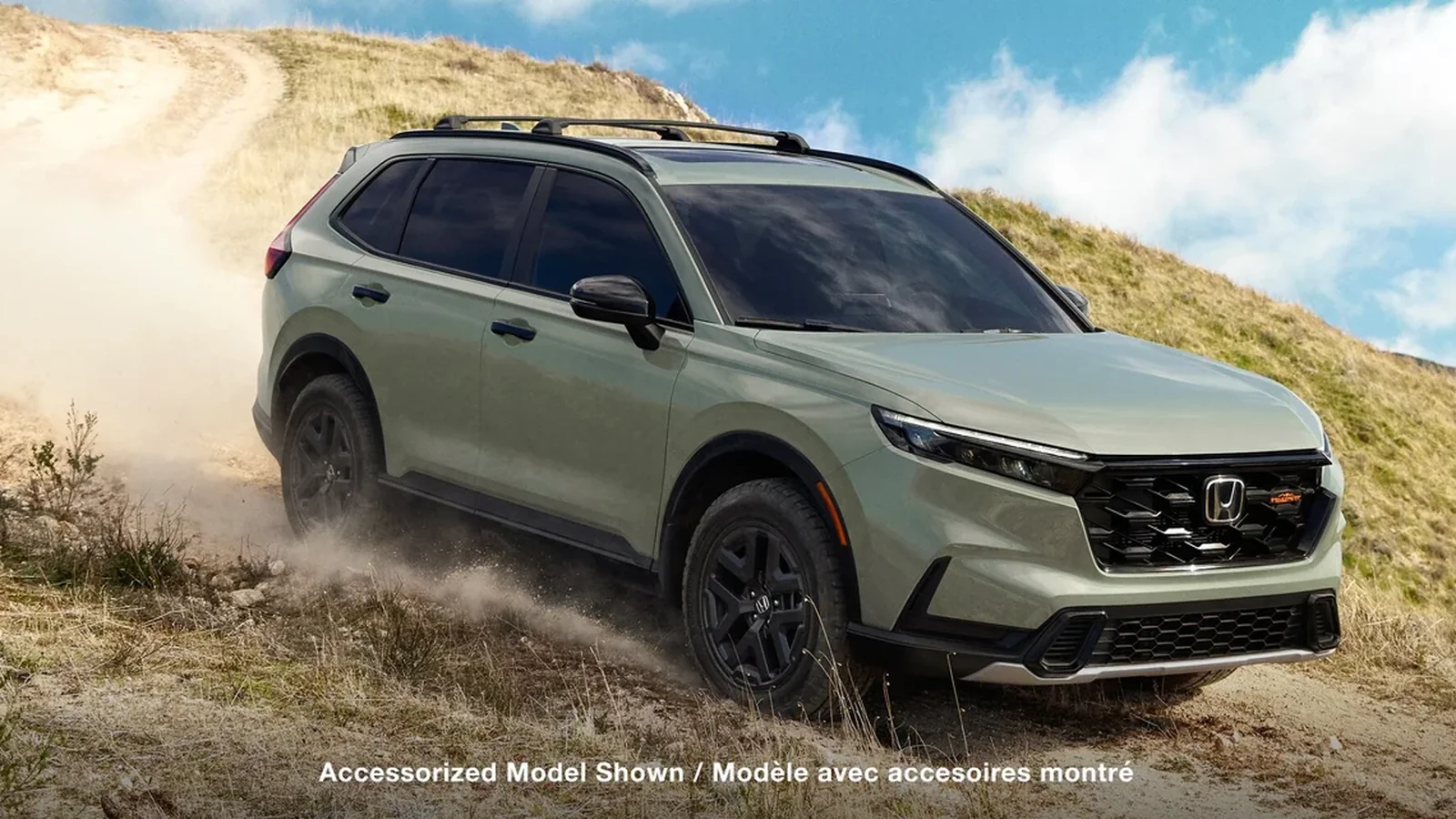
The CR-V earns its place when the buyer regularly needs flexible cargo space, comfortable family room, and one vehicle that can cover a wide range of driving.
This is the SUV I usually start with for a family that wants one vehicle to handle school runs, commuting, errands, and weekend travel. The CR-V Hybrid is often the first version I want that buyer to experience, but the exact choice still depends on budget, driving pattern, and availability.
My opinion: the CR-V is a strong default for a family. It is not a mandatory upgrade for every driver.
Three questions that expose the real need
- How often do you carry more than four people?
- What is the largest thing you carry in a normal month?
- Would you rather spend the extra money on space, or keep the payment more comfortable?
People often answer the first question with an imaginary future. I want the answer based on the life they are living now. If the larger vehicle becomes necessary later, we can revisit it later.
The SUV tax is not only the payment
When a shopper moves into a larger vehicle, the change is not limited to the monthly payment. Insurance, tires, fuel, parking, and the temptation to add expensive options can all affect the ownership experience.
I am not saying those costs make SUVs a bad choice. I am saying they belong in the conversation before the customer falls in love with the highest trim in the showroom.
My honest rule
If you need the space, buy the space. If you do not need the space, test-drive the smaller answer before you pay for it.
A good salesperson should be comfortable recommending a Civic to someone who arrived asking for an SUV. The point is not to put every customer in the same category. The point is to help each customer leave with a vehicle that makes sense on an ordinary Tuesday.
The best SUV is the one that solves a real problem. If it is only solving the fear of someday needing more space, start with a broader test drive.
Not sure whether you need an SUV?
I can set up back-to-back drives in a Civic, HR-V, and CR-V so you can decide from experience instead of marketing language.
Ask Henry a question
Not ready to book anything? Just ask. Henry Chen answers every message himself — usually within a couple of hours during business hours. No call list, no pressure, and no obligation to buy anything.