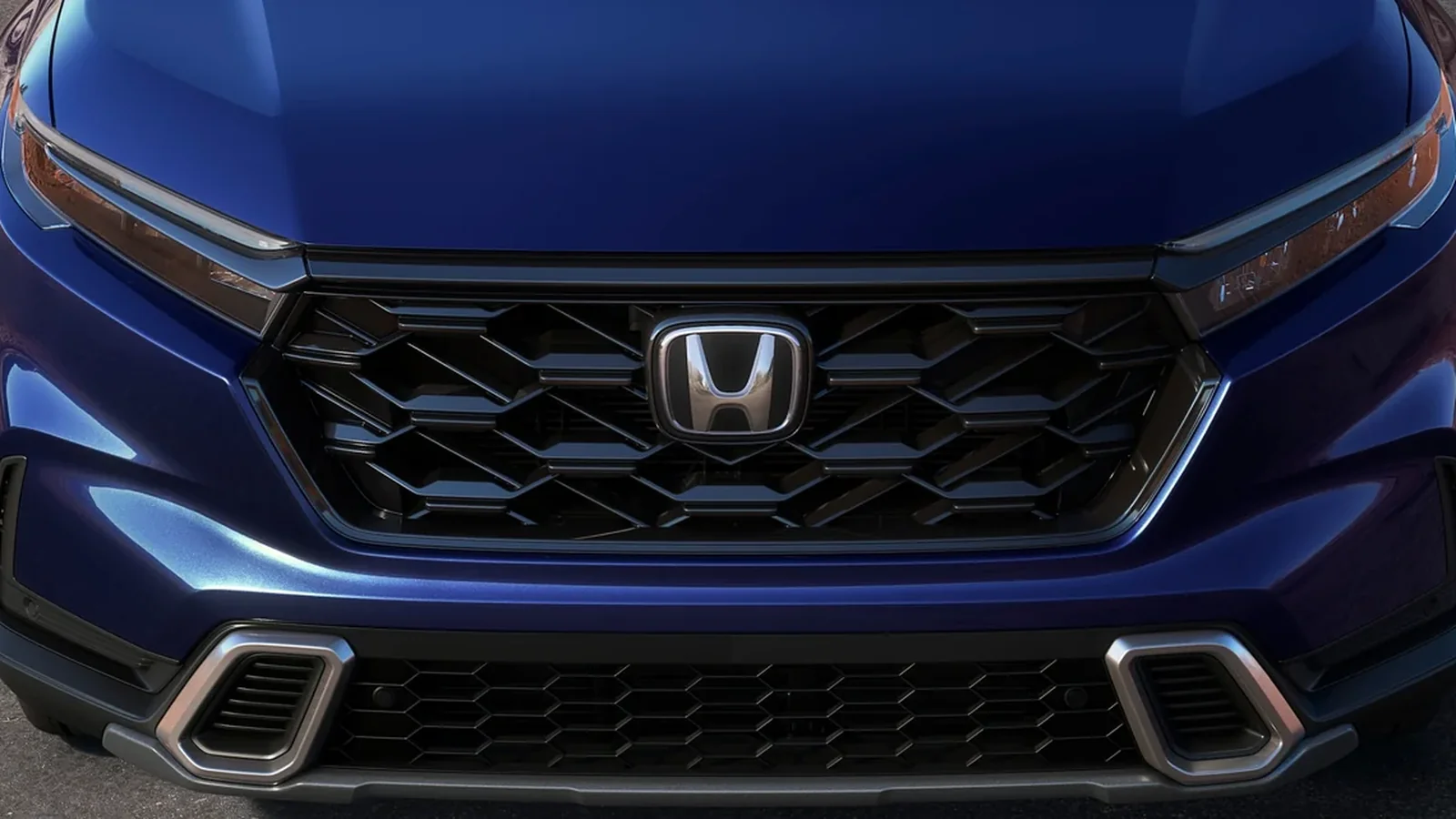
Privacy note: This case study is based on a real customer decision. Personal details and the competing brand have been omitted to protect the customer's privacy.
A customer recently came to Maple Honda with a plan already in mind.
The customer intended to purchase a compact SUV from another brand because it had a lower entry price. Online, the decision seemed straightforward: both vehicles could handle commuting, family errands and weekend driving, but the competing SUV appeared to cost less.
The Honda CR-V Hybrid was not the original first choice. It was simply one more vehicle to test before the customer made a final commitment.
Then the test drive changed the comparison.
Before the Drive, the Customer Was Comparing Prices
The customer's first question was reasonable:
“Why should I pay more when the other SUV starts at a lower price?”
That is how many vehicle decisions begin. Starting price and advertised payment are easy to compare online. They create a strong first impression before a buyer has sat in either vehicle.
The customer's priorities were practical:
- keep the purchase within budget;
- have enough room for daily family use;
- reduce fuel costs;
- feel comfortable in GTA traffic; and
- choose a vehicle that would still feel like the right decision several years later.
On a spreadsheet, the lower-priced SUV had the advantage. The customer assumed the vehicles would feel similar enough that the price difference should decide the purchase.
The First Difference Was How Effortless the CR-V Hybrid Felt
Within the first few minutes, the customer noticed how smoothly the CR-V Hybrid moved away from a stop.
The response felt immediate but controlled. In slower traffic, the vehicle required very little effort to operate. The customer did not need to press the accelerator aggressively to make the SUV respond.
Before driving it, the customer viewed the hybrid system mainly as a way to use less gasoline. Behind the wheel, it became clear that the powertrain also changed the character of the vehicle.
The CR-V Hybrid felt calm, smooth and easy to place in traffic. That experience could not be understood from an online feature list.
Highway Merging Changed the Customer's Confidence
The next turning point came during normal highway acceleration.
When it was time to merge, the CR-V Hybrid responded predictably. The customer did not describe it as aggressive or sporty. The important word was confident.
The SUV delivered power without making the driver feel that every merge or lane change needed to be planned far in advance.
For someone who regularly drives through Vaughan and the GTA, that reduction in effort matters. A vehicle is not experienced only through its specifications. It is experienced through hundreds of ordinary moments: pulling into traffic, changing lanes, leaving a red light and finding a gap on the highway.
The Customer Started Thinking About Everyday Ownership
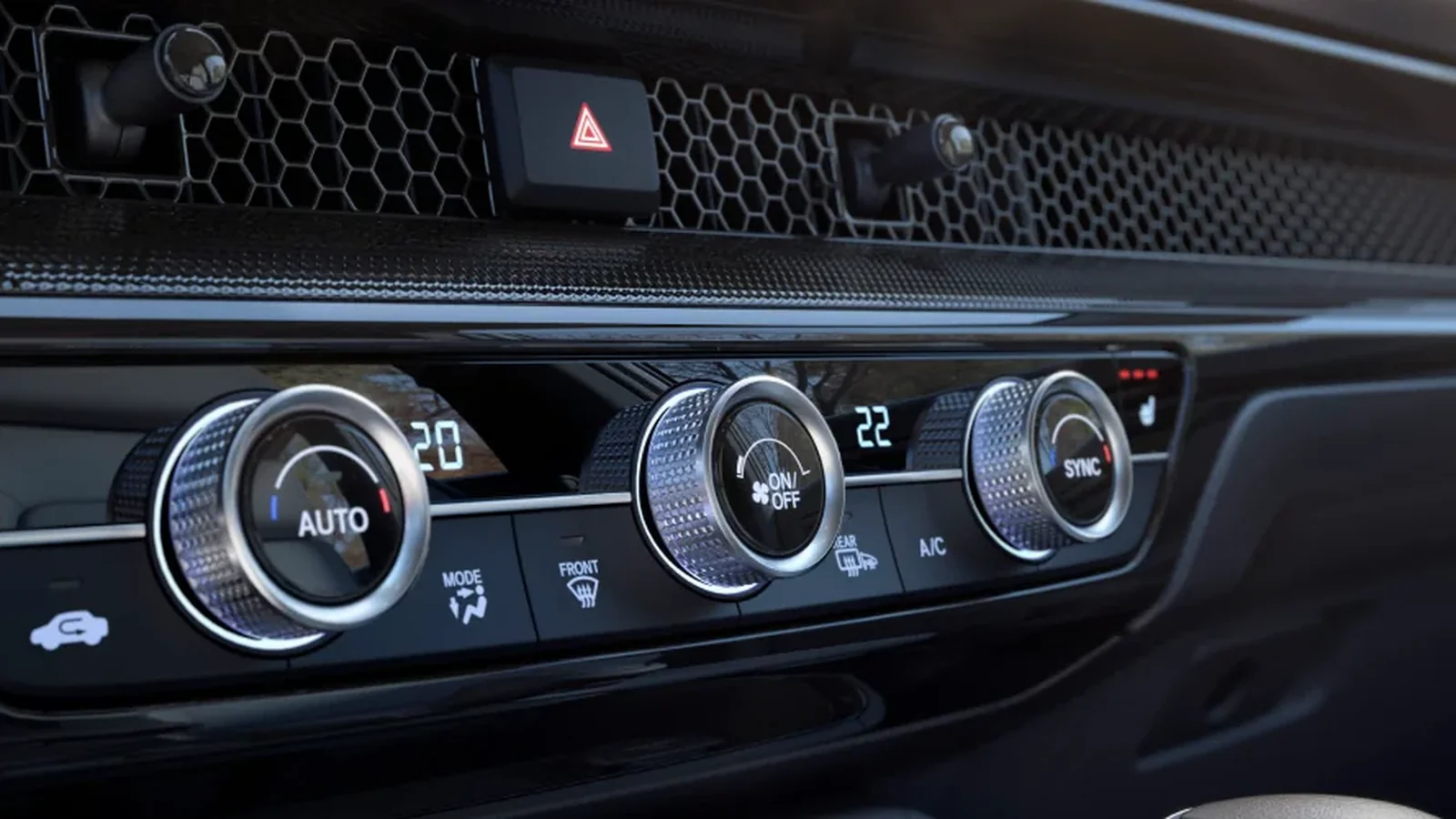
Before the test drive, comfort and refinement were secondary. The customer had treated them as features that would be nice to have, but not important enough to justify paying more.
After the drive, those qualities became part of the value calculation.
The customer began thinking about how often the vehicle would be used, how long it might be kept and how the family would experience it every day.
A lower purchase price is experienced once. The driving position, response, cabin atmosphere and ease of use are experienced every time the vehicle leaves the driveway.
That does not mean the more expensive vehicle is automatically the better choice. It means the buyer needs to understand what the additional money changes.
The Most Important Question Changed
Before driving the Honda, the customer asked:
“Why should I pay more?”
After driving it, the customer asked:
“What am I giving up to get the lower price?”
That was the real turning point.
The customer was no longer comparing two vehicles as though they delivered the same experience. The decision now included:
- how natural each vehicle felt to drive;
- confidence when merging into traffic;
- smoothness during daily commuting;
- the family's comfort;
- fuel use over the ownership period;
- expected long-term value; and
- the possibility of regretting the cheaper choice later.
The lower entry price was still an advantage. It simply was not the complete answer anymore.
The Test Drive Did Not Make Price Unimportant
A strong test drive should not be used to pressure someone into spending more. Its purpose is to reveal whether the vehicles are truly equivalent for that buyer.
After the drive, we returned to the numbers. We compared the vehicles based on the equipment the customer actually wanted, not only the lowest advertised starting prices.
We also discussed how the customer would use the SUV, how long it might be kept and which differences would continue to matter after the excitement of buying a new vehicle had passed.
The customer understood that the Honda required a higher initial investment. The difference was that the customer could now explain what that additional investment provided.
It was not simply a badge or a feature count. It was the driving experience the customer preferred.
The Final Decision
The customer chose the Honda CR-V Hybrid.
The competing SUV was not a bad vehicle. Its lower entry price could make it the correct choice for a buyer whose primary objective is minimizing the initial cost.
For this customer, however, choosing the less expensive alternative after driving the CR-V Hybrid felt like a compromise that would be noticed every day.
The test drive did not convince the customer to ignore price. It gave the customer enough information to decide whether the price difference was worthwhile.
The Lesson for Other SUV Buyers
Online research is excellent for creating a shortlist. It can compare prices, dimensions, equipment and estimated operating costs.
It cannot tell you:
- which vehicle feels more natural in your hands;
- which one makes you more confident in traffic;
- which cabin feels better for your family;
- which compromises will become irritating after six months; or
- whether the lower price still feels like the better value after both vehicles have been driven.
The least expensive option may still be the right choice. But it should remain the right choice after a proper test drive, not only before one.
For this customer, the test drive changed the decision from “Which SUV has the lowest entry price?” to “Which SUV gives me the ownership experience I actually want for the money?”
That was the question that led to a confident decision.
Compare the CR-V Hybrid properly
Bring me the other vehicle or quote you are considering. I will help you compare the driving experience, equipment and real purchase structure without pretending the lowest starting price tells the whole story.
Ask Henry a question
Not ready to book anything? Just ask. Henry Chen answers every message himself — usually within a couple of hours during business hours. No call list, no pressure, and no obligation to buy anything.