I understand why buyers click the cheapest used Honda first. It feels disciplined. It feels like you are winning before you even make an offer.
But the lowest advertised price is only the beginning of the calculation. The better question is: what am I actually buying, and what will it ask from me after I take it home?
My rule is simple: condition and history matter more than the lowest number on the windshield.
A cheap Honda can become expensive very quickly
The purchase price is visible. The deferred maintenance is not.
A low-priced vehicle may need tires, brakes, a battery, suspension work, cosmetic repair, or a service catch-up soon after delivery. None of those items automatically make the vehicle bad. They do change the real price.
When I compare two used vehicles with a customer, I want to talk about the first year of ownership, not only the amount due on day one.
What I want to see before I get excited
- A vehicle history report that makes sense from start to finish
- Service records or a believable maintenance story
- Tires and brakes that match the mileage and asking price
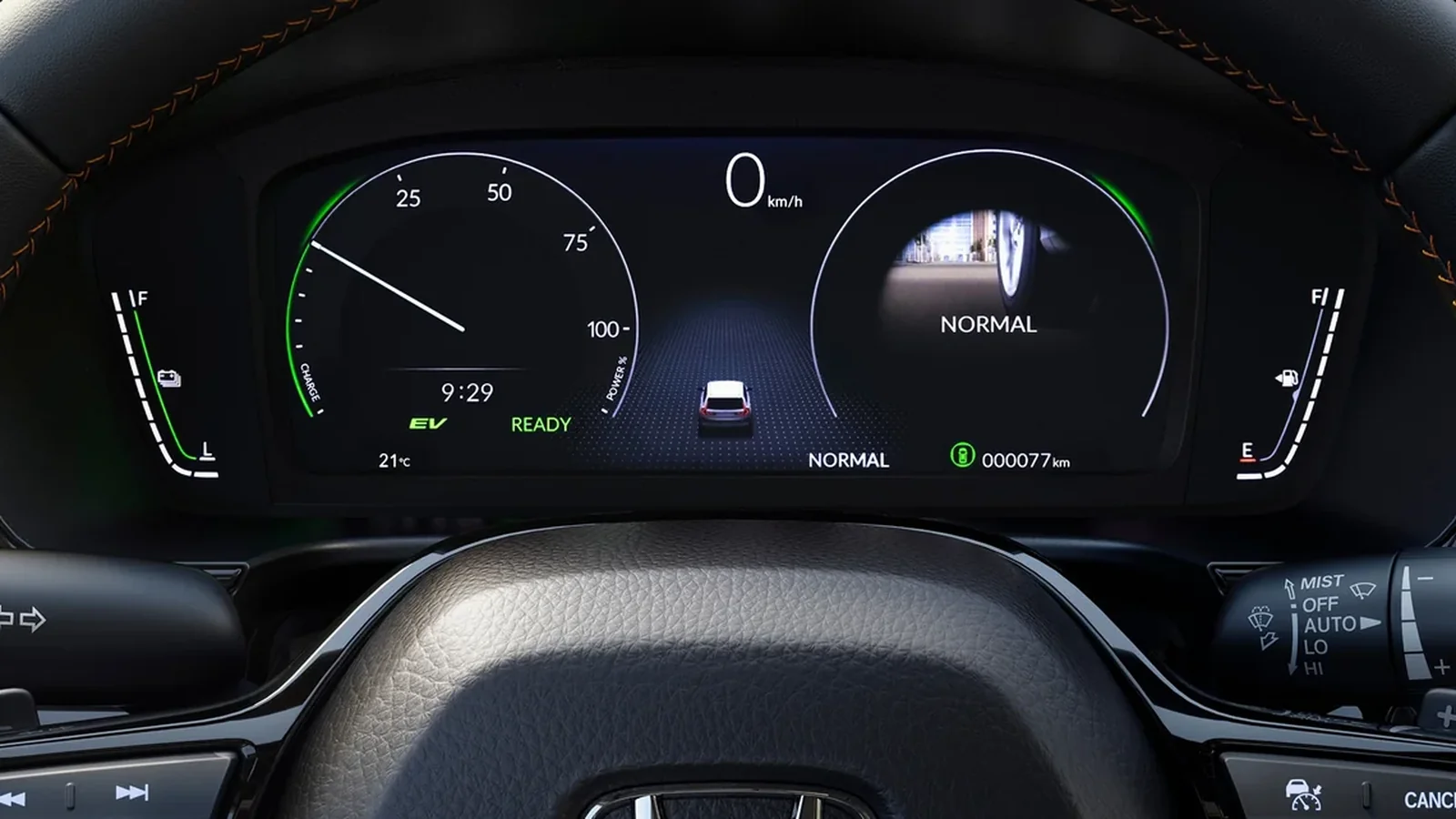
- No warning lights or unexplained dashboard messages
- A test drive that includes more than a slow lap around the block
- A clear answer about what is included, what is extra, and what is still unknown
If the seller cannot answer basic questions, the low price is not a bargain yet. It is an invitation to investigate.
Low mileage is not a complete history
Buyers often treat a lower odometer reading as a substitute for condition. It is not.
A lightly driven vehicle can still have long storage periods, short-trip use, neglected maintenance, cosmetic repairs, or an ownership history that is difficult to verify. A higher-kilometre vehicle with consistent care may be the more comfortable purchase.
My opinion: I would rather see a coherent story than a magical number.
Why a more expensive used Honda may be better value
Sometimes the higher-priced vehicle has already absorbed the work the cheaper one still needs. Better tires, cleaner history, stronger service records, a more complete inspection, or certified pre-owned support can all change the decision.
You are not just paying for the car. You are paying for the confidence that comes with knowing what the car is.
That does not mean every expensive listing deserves the premium. It means the premium needs to be explained in concrete terms.
When Certified Pre-Owned is worth considering
Certified pre-owned can be the middle ground for buyers who want used-car value but do not want to feel completely on their own after the purchase.
Ask what the certification includes, which warranty applies to that specific vehicle, and what the inspection actually covered. The label is useful only when you understand the protection behind it.
My opinion: if you are nervous about used ownership, it is usually smarter to pay for verified condition and support than to chase the absolute lowest price.
The five-minute price test I use with buyers
Before deciding that one vehicle is cheaper, I write down five numbers:
- Advertised price
- Expected immediate maintenance
- Financing cost and term
- Remaining warranty or protection
- Likely resale position if plans change
The result is not a perfect forecast. It is a better comparison than staring at two windshields and picking the smaller number.
My used-car rule of thumb
If the cheapest car has the best history, the strongest condition, and a clean inspection, it may be the right buy. I am not against low prices. I am against confusing low price with good value.
A good used Honda should make sense after you own it, not just when you click the ad.
Buy the condition you can understand, not the price you can brag about.
Want a second opinion on a used Honda?
Send me the year, model, kilometres, VIN if available, and asking price. I’ll tell you what questions I would ask before you spend time on a test drive.
Ask Henry a question
Not ready to book anything? Just ask. Henry Chen answers every message himself — usually within a couple of hours during business hours. No call list, no pressure, and no obligation to buy anything.