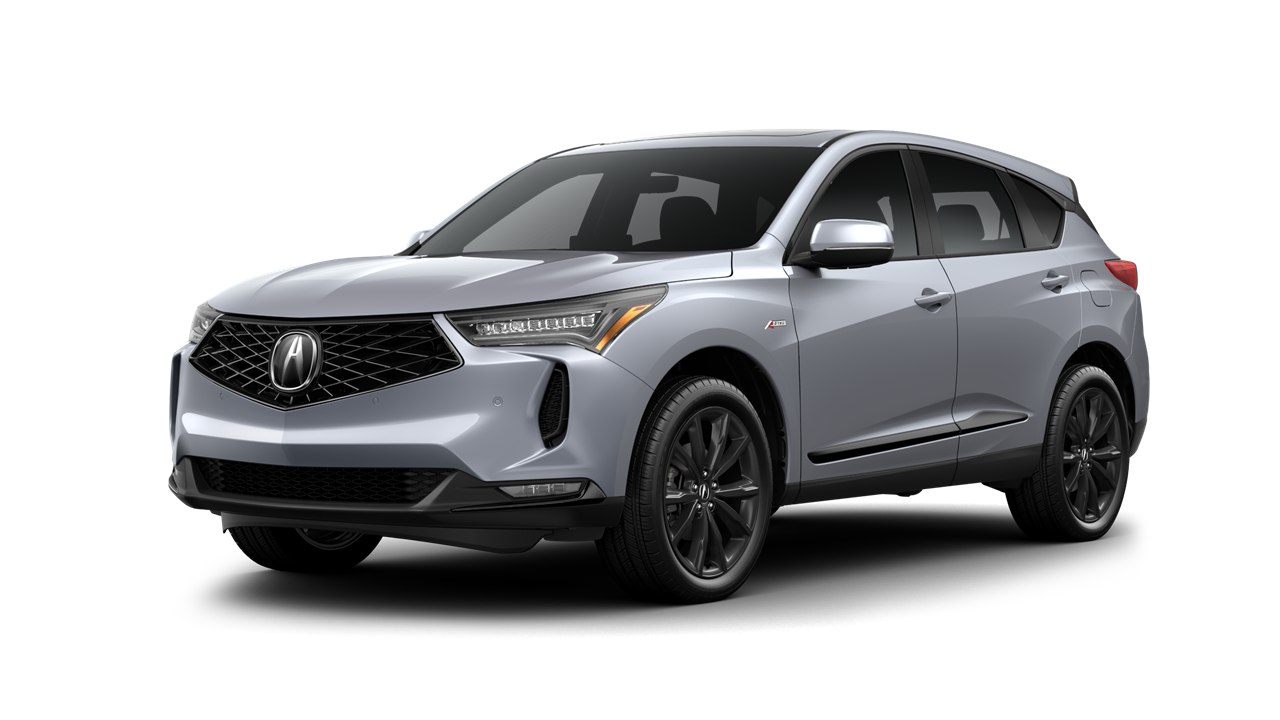
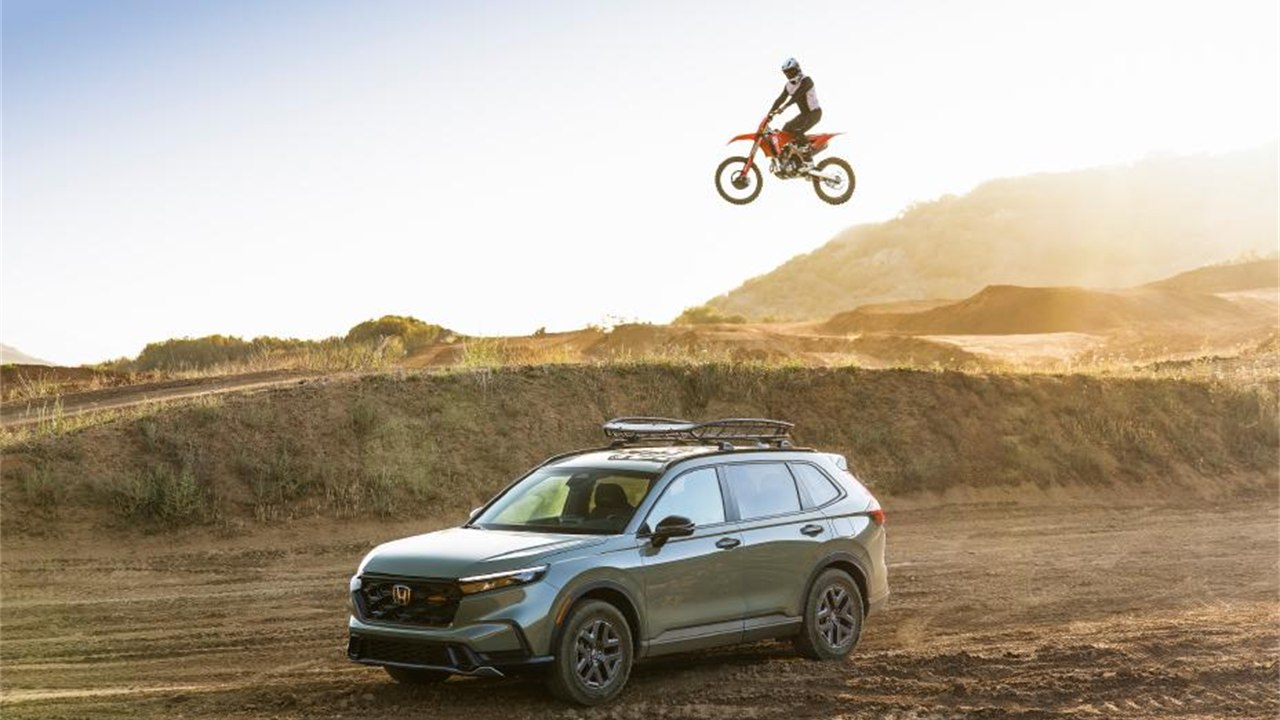
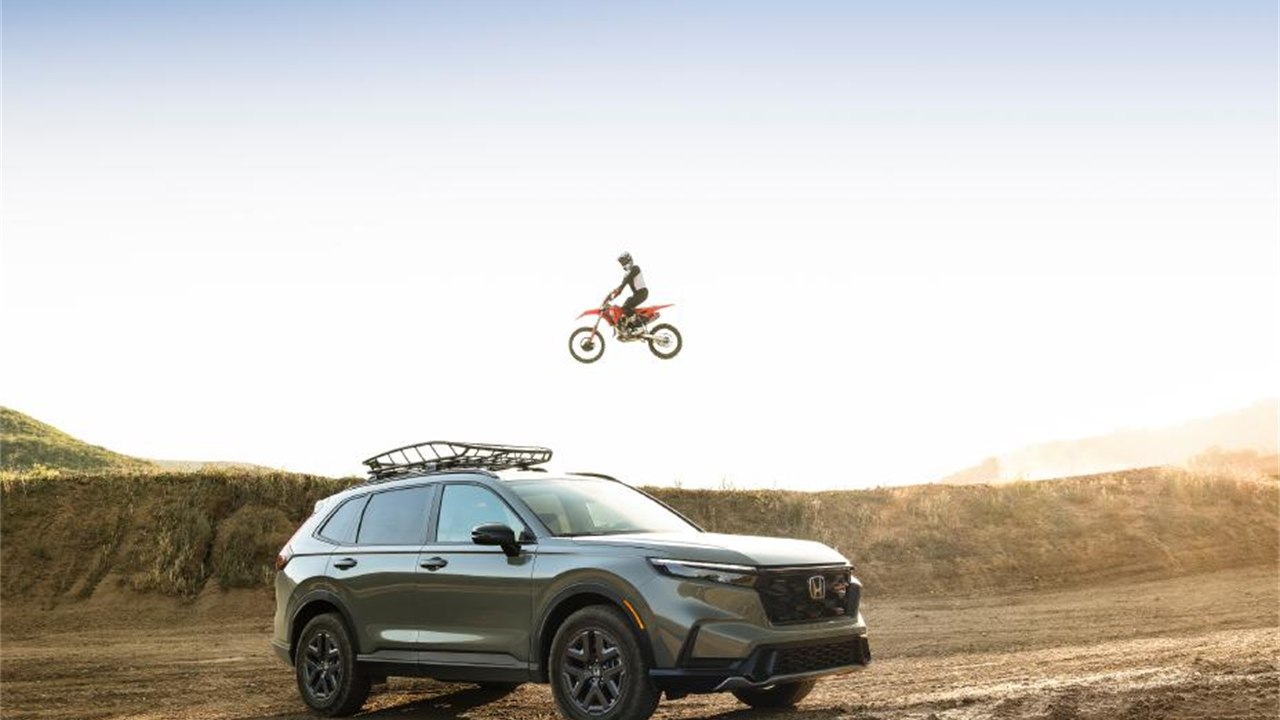
Autoblog recently asked whether the Acura RDX is worth stepping up to from the Honda CR-V. Their broad conclusion travels well: the CR-V is difficult to argue against for a family buyer, while the RDX makes its case through power, chassis feel and a more premium cabin. The U.S. prices and MPG figures in that comparison do not travel north, so I rebuilt the decision for Canadian shoppers.
My short answer is simple. Buy the CR-V because it fits your life. Buy the RDX because you want the drive. Neither is a wrong choice, but paying for an RDX and then driving it like an appliance misses the point.
Henry's floor call: I would start most Vaughan families in a CR-V, then move to the RDX only when they can name the premium benefit they will enjoy every day: stronger acceleration, the 10-speed automatic, SH-AWD, cabin finish or audio. "It has a luxury badge" is not enough reason by itself.
The Canadian Numbers That Matter
The 2026 CR-V gives Canadian buyers two distinct routes. Gas trims use a 1.5-litre turbo engine rated at 190 horsepower. Hybrid trims use Honda's two-motor system with 204 combined horsepower. Depending on trim, the CR-V is available with 2WD or Real Time AWD.
The 2026 RDX uses a 2.0-litre turbocharged four-cylinder with up to 272 horsepower and 280 lb.-ft. of torque, paired with a 10-speed automatic. Acura Canada's specifications show SH-AWD on every RDX package. That is not a cosmetic upgrade; it is the centre of the RDX argument.
Why The CR-V Is So Hard To Argue With
The CR-V's strength is not one dramatic feature. It is the absence of a major compromise for a normal household. It gives you useful rear-seat access, a cargo area shaped for everyday gear, familiar controls and a powertrain choice that can prioritize either straightforward gas ownership or lower fuel consumption.
For a Vaughan family commuting along Highway 400, running errands around Major Mackenzie and loading sports gear on weekends, the CR-V solves the common jobs without asking you to pay for performance you may never use. The hybrid's 6.4 L/100 km combined rating is especially important when annual kilometres are high.
That is why I would not describe the CR-V as the "cheap" option. It is the purpose-built value option. If it already gives you the space, comfort, winter confidence and equipment you need, moving to the RDX is a want—not a repair to something the CR-V lacks.
What The RDX Gives You For The Step Up
The RDX makes a much more emotional case. You get substantially more power, a conventional 10-speed automatic and standard SH-AWD. The steering, acceleration and cornering behaviour should be part of your test drive because those are the reasons to pay more.
You also get a more premium environment and equipment choices the CR-V is not trying to duplicate. But the trade is clear: official Canadian ratings put the RDX at 9.9 L/100 km combined in base form and 10.3 for the A-Spec packages, and Acura recommends premium fuel. That ongoing difference matters more than a one-time option when you keep the vehicle for years.
Do not think of the RDX as a loaded CR-V. It is a separate product with a different mission. That is good news if you love driving, and unnecessary expense if your priorities are cargo, fuel cost and payment comfort.
Choose CR-V if...
You carry people and gear often, want a hybrid option, prefer lower fuel consumption, or would rather put the price difference toward winter tires, accessories, savings or a shorter finance term.
Choose RDX if...
You notice steering and transmission feel, want stronger passing power, value SH-AWD and premium cabin details, and are comfortable with higher fuel consumption plus recommended premium gasoline.
The Loaded CR-V Versus Base RDX Trap
This is where comparison shopping often goes wrong. A shopper sees a well-equipped CR-V and a lower-package RDX getting closer in price, then assumes the Acura is automatically the better deal. The badge is more premium, but the equipment list may not match the features that brought you to the loaded CR-V in the first place.
Compare the two actual VINs or build sheets. Check the seating material, heated features, camera views, audio, driver-assistance equipment, wheel-and-tire replacement cost, insurance quote, finance or lease rate, fuel requirement and total selling price. A lower package from the premium brand is only a bargain when it includes the things you care about.
I would also compare the monthly payment only after matching the term, down payment and kilometres. A longer term can make the RDX look close while quietly increasing the total obligation.
Henry's Back-To-Back Test Drive
Drive both on the same day and use the same route. Start with a tight parking lot, then use a rough local road and a highway on-ramp. Bring the people and equipment that matter if you can.
- Parking: check sightlines, camera clarity and turning comfort.
- Rear seat: sit behind your own driving position and test child-seat access if relevant.
- Cargo: use the stroller, golf bag, hockey bag or dog crate—not an estimate.
- Power: make one safe highway merge and decide whether the RDX's extra response matters to you.
- Ride and noise: use the same broken pavement and cruising speed.
- Controls: pair your phone and try the functions you touch every day.
My verdict: the CR-V wins the spreadsheet for most family buyers. The RDX wins only when the person behind the wheel values what cannot be reduced to cargo space and fuel use. If you finish the test drive smiling in the RDX and the budget is still comfortable, the upgrade makes sense. If you finish thinking about the payment, buy the CR-V.
Quick Answers
Is the Acura RDX worth the upgrade over a Honda CR-V?
It can be if you value stronger acceleration, a conventional 10-speed automatic, standard SH-AWD and a more premium cabin. If family space, hybrid fuel economy and overall operating cost matter more, the CR-V is usually the easier choice.
Which is more fuel efficient, the 2026 Honda CR-V or 2026 Acura RDX?
Honda Canada rates the CR-V as low as 6.4 L/100 km combined in hybrid form. Acura Canada rates the base RDX at 9.9 L/100 km combined and A-Spec packages at 10.3. Real consumption varies with weather, traffic, tires and driving style.
Does the Acura RDX have standard AWD in Canada?
Yes. Acura Canada's 2026 specifications show SH-AWD on every RDX package. The 2026 CR-V offers 2WD or Real Time AWD depending on trim.
Should I compare a loaded CR-V with a base RDX?
Yes, when the total prices overlap for your actual quotes. Match the equipment, finance or lease structure, insurance estimate, fuel requirement and ownership priorities before deciding.
Autoblog's Acura RDX vs Honda CR-V feature for the original comparison question and U.S.-market editorial context; no U.S. price or MPG figures were carried into this Canadian guide.
Honda Canada 2026 CR-V specifications for Canadian powertrain, drivetrain and trim facts.
Acura Canada 2026 RDX specifications for Canadian powertrain, SH-AWD, fuel-consumption and fuel-recommendation facts.
Honda Canada CR-V and Acura Canada RDX for current Canadian model and trim context.
Want a CR-V quote you can compare fairly with an RDX?
Send me the RDX package, selling price, term, down payment, trade details and must-have features. I will match it to the right CR-V gas or hybrid trim so you can compare the real Canadian numbers and test-drive both decisions honestly.
Ask Henry a question
Not ready to book anything? Just ask. Henry Chen answers every message himself — usually within a couple of hours during business hours. No call list, no pressure, and no obligation to buy anything.