Drive Clean Cancelled in Ontario: What GTA Honda Buyers Actually Need in 2026
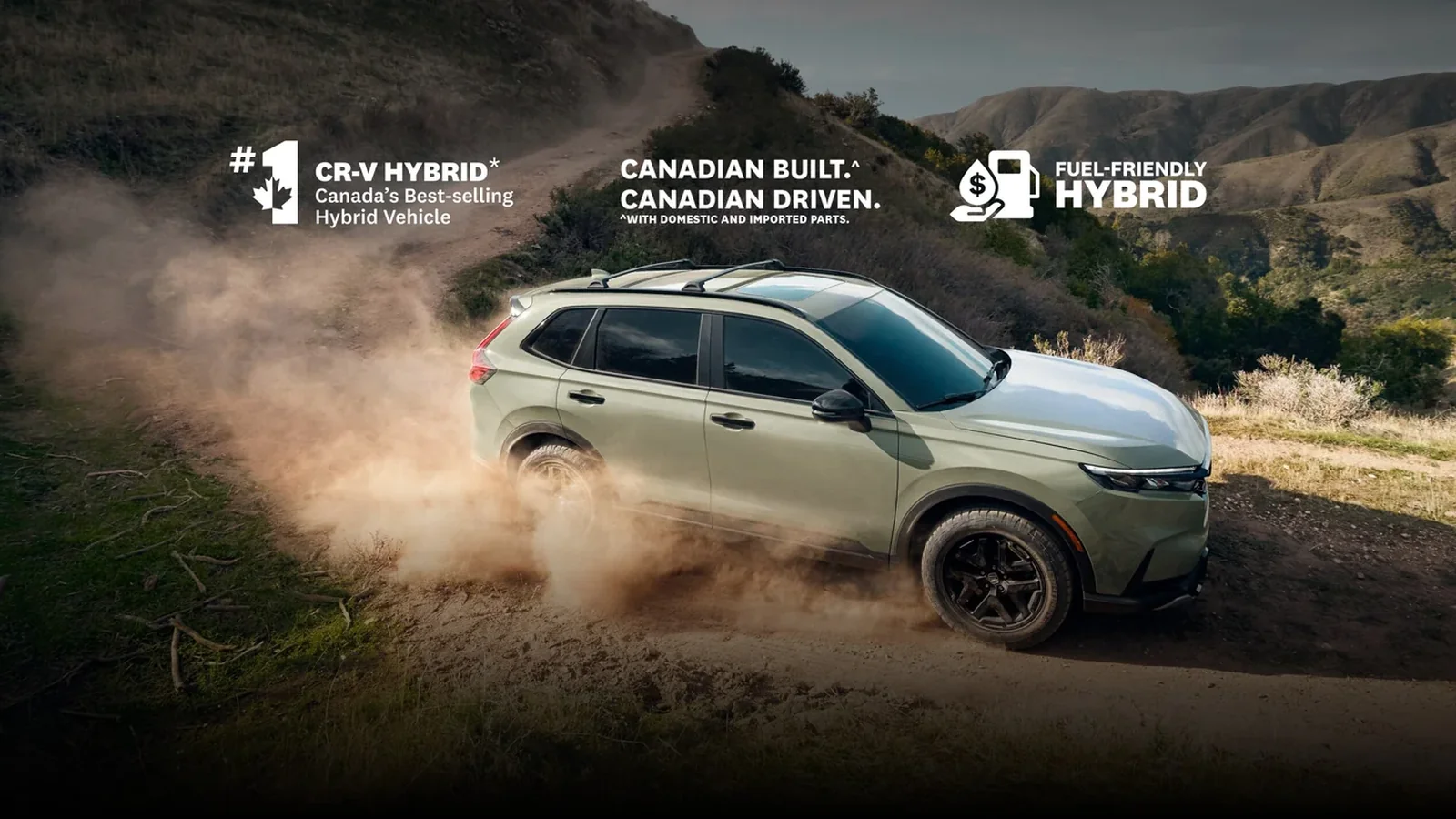
The Ontario Drive Clean emissions test was cancelled for light-duty passenger vehicles on April 1, 2019. If you drive a Honda Civic, Accord, CR-V, HR-V, Pilot, Passport, Ridgeline, Odyssey, or Prologue EV in the GTA — you do NOT need a Drive Clean test in 2026 for plate renewal or ownership transfer. But the DriveON replacement program and federal anti-tampering laws still apply. Here is what every Ontario Honda owner and buyer actually needs to know, in plain English.
1. The April 1, 2019 cancellation — what actually changed
Ontario’s Drive Clean program launched in 1999 under the Mike Harris government. For 20 years, light-duty vehicles (under 4,500 kg registered gross weight, 7+ model years old) had to pass a tailpipe emissions test at a licensed Drive Clean facility every two years before the owner could renew their licence plate sticker. The test cost $30 and measured hydrocarbons (HC), carbon monoxide (CO), nitrogen oxides (NOx), and checked the gas cap and OBD-II diagnostic codes.
On September 28, 2018, the Doug Ford government announced the program’s cancellation, effective April 1, 2019. The Ministry of the Environment, Conservation and Parks — which ran Drive Clean — noted the passenger-vehicle failure rate had fallen from 16% in 1999 to 5% in 2017 as the on-road fleet modernized.
What this means for you in 2026: there is no Drive Clean test for light-duty Honda vehicles for any purpose — not for plate renewal, not for ownership transfer, not for cross-border registration. If you bought a Honda in Ontario after April 2019 and someone told you to get a Drive Clean test, they were working off outdated information.
2. Drive Clean was cancelled for light-duty vehicles — DriveON now handles heavy-duty diesel
DriveON is Ontario’s digital vehicle safety and emissions inspection program. It replaced the old paper-based Motor Vehicle Inspection Stations (MVIS) program on March 31, 2025. DriveON facilities and technicians are the only ones allowed to conduct emissions tests for heavy-duty diesel commercial vehicles.
As of 2026, DriveON emissions testing applies only to heavy-duty DIESEL commercial vehicles that meet ALL of these criteria:
- Registered gross weight over 4,500 kg (most pickup trucks and SUVs are under this)
- Powered by diesel fuel (gasoline vehicles do not qualify)
- 7+ model years old at the time of registration renewal OR being sold/transferred and not the current model year
Examples of vehicles that DO need DriveON: transport trucks (e.g., a 2020 Freightliner Cascadia day cab), dump trucks, city transit buses, motor coaches, Class 8 highway tractors. Examples of vehicles that DO NOT need DriveON: pickup trucks under 4,500 kg (Honda Ridgeline, Ford F-150, Chevy Silverado 1500), most SUVs, vans, and all passenger cars.
3. The Honda lineup in 2026 — none of them need DriveON
Every 2026 Honda passenger vehicle sold in Canada has a curb weight well under 4,500 kg. None run on diesel. None qualify for DriveON testing on either count.
| Model | Curb weight | Drive Clean / DriveON? |
|---|---|---|
| Civic Sedan (gas) | ~1,300 kg | No |
| Civic Hatchback (gas / hybrid) | ~1,350 kg | No |
| Civic Hybrid | ~1,400 kg | No |
| Civic Si | ~1,340 kg | No |
| Accord (gas 1.5T) | ~1,500 kg | No |
| Accord Hybrid | ~1,600 kg | No |
| HR-V (subcompact SUV) | ~1,450 kg | No |
| CR-V (gas 1.5T) | ~1,600 kg | No |
| CR-V Hybrid | ~1,700 kg | No |
| Pilot (3-row SUV) | ~2,000 kg | No |
| Passport (2-row SUV) | ~2,000 kg | No |
| Ridgeline (pickup) | ~2,300 kg | No |
| Odyssey (minivan) | ~2,050 kg | No |
| Prologue (electric SUV) | ~2,500 kg | No |
| Prelude (hybrid coupe) | ~1,500 kg | No |
Curb weights are approximate and vary by trim. The lightest Honda in the Canadian lineup (Civic Sedan) is about 1,300 kg; the heaviest (Prologue EV) is about 2,500 kg. The DriveON threshold of 4,500 kg is comfortably higher than any Honda passenger vehicle.
4. The federal anti-tampering rule (still applies)
Even though Ontario scrapped Drive Clean for light-duty vehicles, the federal Canadian Environmental Protection Act (CEPA) and the On-Road Vehicle and Engine Emission Regulations (SOR/2003-2) still ban tampering with emissions control equipment. This includes:
- Removing or disabling the catalytic converter
- Removing or disabling the diesel particulate filter (DPF) on a diesel vehicle
- Modifying the engine control unit (ECU) to defeat emissions controls
- Installing aftermarket exhaust components that do not meet federal standards
Tampering carries federal penalties under CEPA, with an enforcement ladder that runs from warnings and compliance orders through ticketing and prosecution, and higher exposure for corporations than individuals. The federal rule applies regardless of provincial testing requirements, so even though Ontario no longer tests your Honda, you can still be prosecuted for removing the cat.
This is why cat theft is now a serious issue in the GTA — thieves steal catalytic converters for the precious metals inside (platinum, palladium, rhodium) and sell them to scrap yards for $50-$300 each. From your perspective, this is a $2,000-$3,000 replacement cost plus the inconvenience. See section 6 below for how to protect your Honda.
5. What Ontario Honda buyers ACTUALLY need
If you are buying a Honda in Ontario in 2026, here is what you actually need depending on the scenario:
Buying from a dealer (Maple Honda or any OMVIC-registered dealer)
You need the dealer’s paperwork and your driver’s licence. The dealer pulls the Used Vehicle Information Package (UVIP) from ServiceOntario ($20 fee), performs or arranges the Safety Standards Certificate (SSC), handles the HST calculation (13% on the net price, included in the deal), submits the ownership transfer electronically via the OMVIC registered dealer portal, and files the Notice of Sale on your behalf. No Drive Clean test required.
Buying from a private seller
You need the seller’s signed ownership, the UVIP from ServiceOntario ($20, no HST), a Safety Standards Certificate from a licensed inspection station ($500-$1,000 + HST), and your driver’s licence. You handle the ownership transfer at ServiceOntario. You pay HST at registration (13% of the purchase price, calculated by ServiceOntario). No Drive Clean test required.
Renewing your plate sticker (or skipping it now)
Ontario eliminated licence plate stickers and renewal fees for passenger vehicles and light-duty trucks in March 2022. You still have a plate renewal — it is free and no sticker is issued — and for eligible plates Ontario now renews it automatically 90 days before it expires, one year at a time, as long as you have valid insurance and no outstanding fines or tolls. No Drive Clean test required.
Moving to Ontario from another province
You need a safety inspection (different from Drive Clean) at a DriveON facility, a UVIP equivalent from your previous province’s registrar, your existing registration, and your driver’s licence. ServiceOntario handles the rest. No Drive Clean test required.
6. The catalytic converter theft wave — how to protect your Honda
Catalytic converter theft in the GTA hit record levels in 2024 and 2025. The Honda Fit, Honda Civic, Honda Accord, and Honda CR-V are among the most targeted models because they sit low to the ground (easy access) and have higher precious-metal content per cat.
How to protect your Honda:
- Etch your VIN into the catalytic converter — many Toronto-area dealers and Honda dealerships offer this service for free or $20. Police can trace etched cats back to your vehicle.
- Install a catalytic converter anti-theft shield — aftermarket steel shields (~$150-$300 installed) make removal much harder.
- Park in a garage or well-lit area — thieves prefer dark parking lots and street parking.
- Set your car alarm to the highest sensitivity — the vibration of cat removal triggers most alarms.
- Check your insurance policy for cat coverage — most comprehensive policies cover cat theft but with a $500-$1,000 deductible.
If your cat is stolen, you cannot legally drive the car without one (federal anti-tampering rule + provincial Highway Traffic Act equipment requirements). You will need a tow to a muffler shop and a $2,000-$3,000 replacement bill. Comprehensive insurance usually covers it minus the deductible.
7. Quebec vs Ontario — different rules for Honda buyers
If you are buying a Honda in Quebec (or moving a Honda from Quebec to Ontario), the rules are different. Quebec’s SAAQ (Société de l’assurance automobile du Québec) requires a mechanical inspection for used vehicle sales through a mandataire or licensed garage. The inspection includes exhaust system and emissions control component checks but it is bundled with the overall safety inspection.
If you buy a Honda from a Quebec dealer, the dealer handles the inspection. If you buy privately in Quebec, the buyer arranges the inspection. Either way, it is not a standalone tailpipe emissions test like the old Drive Clean was.
If you are moving a Honda from Quebec to Ontario, you do not need to redo the inspection — ServiceOntario accepts the Quebec inspection as part of the interprovincial transfer.
8. What this means for GTA Honda shoppers at Maple Honda
When you trade in your old car or buy a new / used Honda at Maple Honda in Vaughan, here is what actually happens on the paperwork side:
- Trade-in: We pull the UVIP from ServiceOntario ($20), inspect the vehicle, appraise it, and apply the trade-in value against your new purchase price. HST is calculated on the net price (after trade-in credit). The dealer files the Notice of Sale and ownership transfer electronically via the OMVIC portal.
- New / used Honda purchase: We handle all the OMVIC paperwork, the HST calculation, the ownership transfer, and the plate transfer. You walk out with the keys, the registration, and your new plates (or we transfer your old plates if you are keeping them).
- Out-of-province trade: If you are trading in a car from another province, we coordinate the interprovincial transfer with ServiceOntario. No Drive Clean test required (you do not need one for the trade-in, only the receiving province may require an inspection for re-registration).
There is no Drive Clean test in any of these scenarios. If anyone tells you otherwise in 2026, they are working off outdated information.
9. The Ontario Drive Clean FAQ still circulating online is wrong
Search engines still surface 2015-2019 articles that say “Drive Clean is required for 7-year-old vehicles in Ontario.” That information is outdated. The current rules (since April 1, 2019):
- Light-duty vehicles (under 4,500 kg): No Drive Clean test required for any purpose.
- Heavy-duty diesel vehicles over 4,500 kg: Annual DriveON emissions test required for 7+ model year vehicles at registration renewal or ownership transfer.
- All vehicles: Federal anti-tampering rules under CEPA still apply. Removing emissions control equipment is a federal offence.
If you read a blog post or forum thread that says Drive Clean is still required, check the date. Anything published before April 1, 2019 is outdated. Ontario’s own page — ontario.ca/page/get-safety-or-emissions-inspection-commercial-vehicle — states it plainly: “Emissions tests are not required for light-duty and passenger vehicles.” That is the authoritative source.
10. Henry’s take — do Hondas need any emissions work?
Short answer: no Drive Clean or DriveON emissions test for any Honda passenger vehicle. But the federal anti-tampering rules mean you still need a working catalytic converter, intact exhaust system, and unmodified ECU.
In practical terms at Maple Honda: when you bring your old car in for a trade-in appraisal, we run a CarProof vehicle history report and a mechanical inspection. We are looking for things that affect the car’s value and safety, not emissions test compliance. If your cat is missing or your exhaust has been modified, that will affect your trade-in offer because the next buyer cannot register the car legally.
For buyers of new or certified pre-owned Hondas: you do not need to do anything emissions-related. The car comes with a federal compliance sticker under the hood (Transport Canada). The 3-year / 60,000 km new-vehicle warranty covers emissions control equipment. Just drive.
Frequently asked questions
Does my Honda Civic need a Drive Clean emissions test in Ontario in 2026?
No. Ontario cancelled the Drive Clean emissions test for all light-duty passenger vehicles (under 4,500 kg registered gross weight) effective April 1, 2019. The Honda Civic weighs about 1,300 kg, well under the threshold, so it does not need a Drive Clean test for registration renewal or ownership transfer. If a dealer or garage tells you otherwise in 2026, they are mistaken about the current Ontario rules.
Does my Honda Accord need Drive Clean?
No. The Honda Accord sedan weighs about 1,500 kg and the Accord Hybrid about 1,600 kg, both well under the 4,500 kg light-duty threshold. Ontario scrapped Drive Clean for all light-duty vehicles on April 1, 2019, so your Accord does not need an emissions test to renew your plate sticker or transfer ownership in 2026. The 2017 cancellation of the $30 test fee was the first step; the 2019 cancellation removed the test entirely.
Does my Honda CR-V need Drive Clean?
No. The Honda CR-V (gas or hybrid) weighs about 1,600-1,700 kg, well under the 4,500 kg light-duty threshold. Since the April 1, 2019 cancellation of Drive Clean for light-duty vehicles in Ontario, your CR-V does not need an emissions test. You only need the Safety Standards Certificate (SSC) if you are selling privately — and the dealer pulls that for you if you trade in.
Does the Honda Ridgeline need Drive Clean or DriveON?
No. The Honda Ridgeline has a curb weight of about 2,300 kg, well under the 4,500 kg registered gross weight threshold. Even though the Ridgeline is a pickup truck, it is classified as a light-duty vehicle because its registered weight is under 4,500 kg. It does not need Drive Clean (cancelled 2019) or DriveON (which only applies to heavy-duty DIESEL commercial vehicles over 4,500 kg). The Ridgeline runs on regular gasoline, not diesel, so DriveON does not apply to it on either count.
Does the Honda Pilot or Passport need Drive Clean?
No. Both the Honda Pilot (3-row midsize SUV, ~2,000 kg) and Honda Passport (2-row midsize SUV, ~2,000 kg) are well under the 4,500 kg light-duty threshold. Ontario cancelled Drive Clean for light-duty vehicles on April 1, 2019. Neither SUV needs an emissions test for plate renewal or ownership transfer in 2026.
Does the Honda Odyssey minivan need Drive Clean?
No. The Honda Odyssey weighs about 2,050 kg, under the 4,500 kg light-duty threshold. It does not need Drive Clean (cancelled for light-duty in 2019) or DriveON (which only applies to heavy-duty DIESEL commercial vehicles over 4,500 kg). The Odyssey runs on regular gasoline, so DriveON does not apply to it on either count.
Does the Honda Prologue EV need Drive Clean?
No, for two reasons. First, the Honda Prologue is a battery-electric vehicle with no tailpipe emissions, so an emissions test would not be meaningful. Second, Ontario cancelled Drive Clean for all light-duty passenger vehicles on April 1, 2019. The Prologue does not need an emissions test for plate renewal or ownership transfer in Ontario. Quebec has a separate mechanical inspection for used EV sales but no tailpipe test.
What is Ontario DriveON and who does it apply to?
DriveON is Ontario’s digital vehicle safety and emissions inspection program that replaced the old paper-based Motor Vehicle Inspection Stations (MVIS) system on March 31, 2025. As of 2026, DriveON emissions testing applies ONLY to heavy-duty diesel commercial vehicles with a registered gross weight OVER 4,500 kg that are 7+ model years old. Examples: transport trucks, dump trucks, city buses, motor coaches. Light-duty passenger vehicles (cars, SUVs, pickup trucks under 4,500 kg, motorhomes, motorcycles) are exempt regardless of fuel type.
Is removing my Honda catalytic converter illegal?
Yes — it is a federal offence under the Canadian Environmental Protection Act (CEPA) and the On-Road Vehicle and Engine Emission Regulations (SOR/2003-2). Tampering with emissions control equipment — including catalytic converters and diesel particulate filters — carries federal penalties, from compliance orders and ticketing through prosecution. This rule is enforced regardless of whether Drive Clean testing is required for the vehicle. Catalytic converter theft has become a major issue in the GTA — see the section above on how to protect your Honda.
If Drive Clean was cancelled in 2019, why do I still see test stations advertising?
Two reasons. First, some private garages still offer emissions testing as a paid service for out-of-province transfers, vintage vehicle verification, or commercial fleet operators who need documentation for their own compliance. Second, the federal anti-tampering rules under CEPA still apply, so having a clean emissions baseline can help you document your vehicle is not modified. But you do NOT need Drive Clean for plate renewal on a light-duty Honda in Ontario in 2026.
Does British Columbia have an emissions test in 2026?
No. British Columbia’s AirCare program ended on December 31, 2014. Metro Vancouver has not reinstated an emissions testing program. ICBC may require an out-of-province vehicle inspection for vehicles brought into BC from outside the province, but that is a general mechanical inspection, not an emissions-specific test. The rest of BC has no emissions testing requirement.
Does Quebec require emissions testing for used Honda buyers?
Partial yes. Quebec’s SAAQ requires a mechanical inspection for used vehicle sales through a mandataire or licensed garage. The inspection includes exhaust system and emissions control component checks (catalytic converter presence, gas cap, OBD-II scan) but it is bundled with the overall safety inspection — it is not a standalone tailpipe emissions test like Drive Clean was. If you buy a Honda in Quebec from a dealer, the dealer handles the inspection. Private-party Quebec sales require the buyer to arrange inspection.
Does Alberta / Manitoba / Saskatchewan require emissions testing?
No. None of the prairie provinces (Alberta, Manitoba, Saskatchewan) have a mandatory emissions testing program for passenger vehicles as of 2026. Some provinces have general safety inspections for out-of-province vehicles being registered, but those are mechanical inspections (brakes, lights, tires) — not emissions-specific tests. If you are moving from one prairie province to another with your Honda, you typically need only a safety inspection, not an emissions test.
What about the Honda Civic Type R or Honda Civic Si — any emissions exceptions?
No exceptions. Both the Civic Type R and Civic Si are light-duty passenger vehicles (under 4,500 kg RG), so Drive Clean (cancelled 2019) and DriveON (heavy-diesel only) do not apply. The Civic Si is built at Honda of Canada Manufacturing in Alliston, Ontario (HCM Plant 1) — which is the same Alliston plant that builds Civic Sedan and Hybrid. The Civic Type R is imported from Yorii, Japan. Neither has any Ontario emissions testing requirement for plate renewal or ownership transfer.
Related from Henry
- Ontario licence plate renewal + ownership transfer for Honda owners — the related ServiceOntario guide (also explains why plate stickers disappeared in March 2022).
- Trade in vs private sale in Ontario — HST math + the documents you need — covers UVIP, SSC, Bill of Sale, OMVIC paperwork, and Notice of Sale.
- Inherited a Honda in Ontario? Title transfer + HST exemption explained — the related estate-transfer guide.
- 2026 Honda Canada lineup — every model, MSRP, and where it’s built — full lineup page with curb weights and fuel-economy numbers.
- 2026 Honda Hybrid lineup — 6 models compared — includes Civic Hybrid, Accord Hybrid, CR-V Hybrid.
- Honda warranty + recall check — what’s covered for 3+5+5 years — emissions control equipment is covered for 3 years / 60,000 km under Honda’s standard new-vehicle warranty.
Sources: ontario.ca/page/get-safety-or-emissions-inspection-commercial-vehicle (who needs an emissions test — the 4,500 kg RGW threshold and the light-duty/passenger exemption); ontario.ca/page/driveon-emissions-and-safety-inspection-program (DriveON scope); ontario.ca/page/motor-vehicle-inspection-stations (MVIS program end, March 31, 2025); news.ontario.ca/en/release/50115 and news.ontario.ca/en/backgrounder/50114 (September 2018 cancellation announcement, April 1, 2019 effective date, program history since 1999); ontario.ca/page/safety-standards-certificate (SSC requirements, 36-day validity); ontario.ca/page/used-vehicle-information-package (UVIP, $20); ontario.ca/page/renew-your-licence-plate (plate renewal — free, no sticker, auto-renewed); ontario.ca/laws/regulation/980361 (O. Reg. 361/98 Motor Vehicles); Canadian Environmental Protection Act, 1999 + On-Road Vehicle and Engine Emission Regulations (SOR/2003-2) via laws-lois.justice.gc.ca (anti-tampering). Curb weights from Honda Canada media kit (honda.ca/en). Last verified: July 1, 2026.