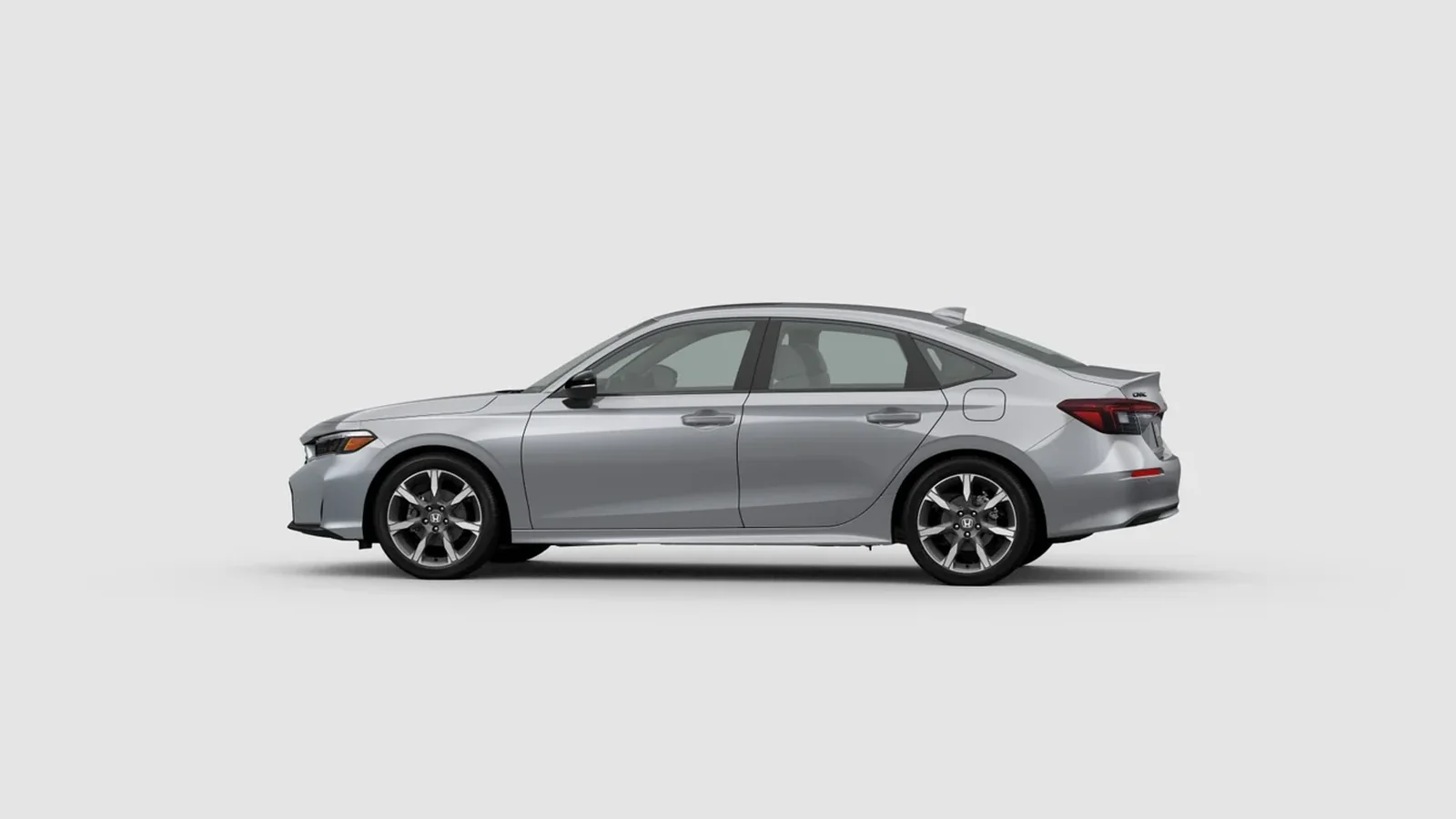
Photo: Honda Canada. 2026 Honda Civic. Part of the Car Buyer Protection Series by Henry Chen, Maple Honda, Vaughan.
OMVIC's smarter-starting-point advice is built around one observation: most bad car deals don't fail at the negotiating table or the financing office. They fail at the very beginning, when the buyer hasn't done enough homework to know what the right answer looks like.
Slowing down the first hour of the buying process is the single highest-ROI change most GTA buyers can make. Here's what that first hour should look like.
The first hour should be a fact-finding hour
- What does success look like for this vehicle? (Daily commute, family use, weekend hobby, retirement, etc.)
- What's the realistic budget for the all-in price plus HST, licensing, insurance, and year-one costs?
- What are the 3-5 models that fit the budget and the use case?
- What's the difference between the models in real-world ownership, not just spec-sheet comparisons?
- What are the known reliability patterns and common issues for each model?
The questions to answer before visiting any dealer
- New or used — what's the right fit for the budget and the use case?
- Finance or lease — which structure fits the ownership plan?
- Honda dealer or another brand — is the model uniquely Honda or are there equivalent options?
- GTA dealer or out-of-region — is the drive worth any potential savings?
- Cash, finance, or lease — what does the monthly budget actually allow?
Photo: Honda Canada. 2026 Honda Civic.
What OMVIC's framework gives you in the first hour
All-in pricing transparency — every fee in the ad, no surprises at the desk
Mandatory disclosures — every fact about the vehicle's history on the contract
Registration verification — the dealer-search tool confirms who you're talking to
Code of Ethics — the dealer is bound by a specific standard of conduct
Compensation Fund — the safety net if something goes wrong
90-day cancellation right — the MVDA protection for undisclosed defects
The single biggest mistake in the first hour
Most GTA buyers spend the first hour talking about price and trim instead of fit and structure. The price matters less than most buyers think — a $2,000 lower all-in price on the wrong car is a $2,000 loss, not a $2,000 saving.
The right first hour answers the structural questions: what do I need, what can I afford, what's the right model for that combination. The price conversation comes after those are settled, not before.
What 'smarter' actually looks like at the dealer
- Walk in with a list of 2-3 candidate models, not 1 or 10
- Have your own bank's pre-approval in your pocket for the finance structure
- Know the all-in price of the trim you want from the dealer's website before you arrive
- Have a list of questions for the salesperson about the specific vehicle you're considering
- Schedule a test drive before any pricing conversation
- Take the contract home to review before signing (don't let pressure push you into same-day signing)
What 'smarter' doesn't mean
- It doesn't mean being adversarial — a clean dealer wants you to succeed
- It doesn't mean ignoring the salesperson's expertise — they're a resource, not an obstacle
- It doesn't mean refusing to negotiate — the all-in price has real room in most GTA stores
- It doesn't mean skipping the test drive — the test drive is part of the homework
- It doesn't mean waiting forever for the perfect deal — good enough on the right car beats perfect on the wrong car
Frequently asked, Vaughan edition
How long should the first hour actually take?
It depends on whether you've done any homework beforehand. If you've narrowed your model choice to 2-3 options before visiting the dealer, the first hour is mostly verification. If you're starting from scratch, plan for several hours of research online plus 2-3 dealer visits to confirm.
What if I don't know what I want yet?
That's normal for a first-time buyer. The framework still works — just expect the first hour to extend to a few days of research before you visit any dealer. The cost of rushing is a deal you regret; the cost of waiting is a few days.
Is a smarter starting point the same as being a slow buyer?
No. Slowing the first hour isn't about dragging out the buying process — it's about front-loading the homework so the rest of the process moves faster. A buyer who did the first-hour work signs in a week. A buyer who skipped it spends three months regretting the wrong purchase.
What is the first thing I should do before visiting any dealership?
Three pre-visit steps: (1) determine your budget (total monthly payment, including insurance and maintenance, not just car payment), (2) get pre-approved for financing through Honda Financial Services or your own bank (knows your real rate before dealer quotes), (3) write down your must-haves (seats, AWD, fuel economy target) and nice-to-haves. With these in hand, the dealer's job is to match your needs, not invent them.
How many dealers should I visit before buying?
Three is a good number for a typical new-Honda buyer: one large franchise dealer (broad inventory, possibly better pricing on popular models), one independent or smaller franchise dealer (different incentives, possibly more flexibility), and one final visit back to your top choice to confirm. More than three visits for the same purchase usually means you are shopping, not buying — and that wastes time.
What questions should I bring to my first dealership visit?
Five essentials: (1) What is the all-in price out the door including all fees? (2) What is the best rate you can offer, and is Honda Financial Services or another lender? (3) What incentives are currently available on this model? (4) Is this vehicle in stock or do I need to order? (5) What is the return or exchange policy if it does not work out? Print this list and bring it — it is your negotiation anchor.
Should I bring someone with me to the dealership?
Yes — bring a friend, family member, or trusted advisor. Studies show buyers with a companion negotiate better and are less likely to be pressured into add-ons. The companion does not need to be a car expert — they just need to be someone who will help you stay grounded and ask 'do you really want this?' when you are wavering. Henry is happy to work with buyers who bring someone — it is a sign of seriousness, not weakness.
What is a 'walk-away deal'?
A 'walk-away deal' is the price at which you would happily buy OR happily walk away. Setting this before you visit removes the in-the-moment pressure of negotiating. If the dealer cannot get to your walk-away number, you leave. If they can, you buy. The trap is adjusting your walk-away number based on what the dealer says — do not. Henry respects walk-away buyers because they know what they want — and we usually find a way to make it work for them.
Want me to walk through the OMVIC piece of your next deal?
If you have a quote from another store, a private sale you're considering, or just a question about how OMVIC's rules apply to your situation, send me the details. I will help you pressure-test the structure.
Ask Henry a question
Not ready to book anything? Just ask. Henry Chen answers every message himself — usually within a couple of hours during business hours. No call list, no pressure, and no obligation to buy anything.