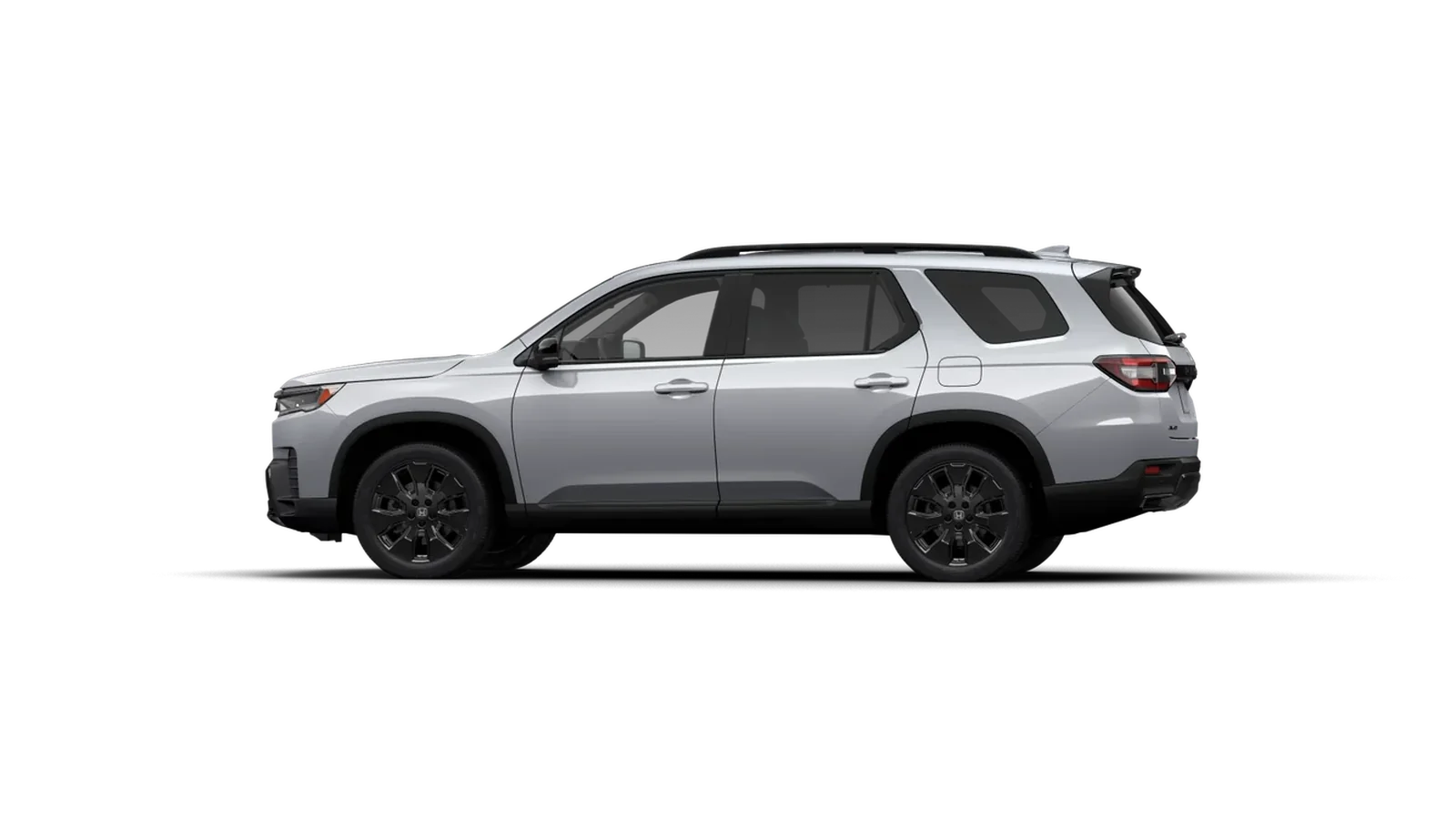
Photo: Honda Canada. 2026 Honda Pilot. Part of the Car Buyer Protection Series by Henry Chen, Maple Honda, Vaughan.
Most car buyers in Ontario finance the vehicle. Some use a personal line of credit or arrange financing through their own bank. The rest let the dealer arrange it. There's nothing wrong with any of those choices, but each one has trade-offs OMVIC expects buyers to understand.
The two most important things to know about dealer-arranged financing: (1) the dealer is usually paid a fee by the lender for arranging the loan — that fee varies by lender, and a higher rate can mean a bigger fee for the dealer; and (2) the application may be submitted to more than one lender, which can affect your credit score. Both of these are normal industry behaviour — but you should know about them before you sign.
What OMVIC expects you to verify before the credit app goes in
- Pull your own credit score from Equifax or TransUnion before you apply. The score the lender sees may not be the only number that matters.
- Contact your own bank or credit union before you visit the dealership. Find out what rate and term they can offer so you have a comparison point.
- Ask which lender(s) the dealer intends to submit your application to. Multiple applications can hurt your credit score.
- Read the credit application carefully before it's submitted. OMVIC has seen cases where dealers (or buyers) inflate income or understate debt to get an approval. That's illegal, and it creates problems later.
- Ask for a copy of the submitted credit application.
The "reserve" — what it is and why you should care
When a dealer arranges financing through an external lender (Honda Financial Services, Scotia, RBC, etc.), the dealer may be paid a fee called a reserve. The reserve can be built into the interest rate on the contract, but the amount varies by lender, program, term, credit profile, and disclosure rules. Ask for the written rate, APR, lender, and required commission disclosure before signing.
This isn't hidden. OMVIC requires dealers to disclose that the rate they're offering can include a reserve and that the size of the reserve varies by lender. The practical implication is straightforward: a lower rate isn't just better for your monthly payment, it's also better because less of it is being paid to the dealer as commission.
Photo: Honda Canada. 2026 Honda Civic.
Open vs. closed loans, prepayment, and the long-term warning
An open loan can be paid off at any time without penalty. A closed loan has a prepayment penalty if you pay it off early. Closed loans usually carry lower rates because the lender has more certainty. If there's a real chance you'll want to pay the loan off or refinance in the next two or three years, an open loan is often worth the slightly higher rate.
Beyond structure, the biggest financial landmine on car loans is extended term length. Stretching payments out to 84 or 96 months makes the monthly number comfortable, but it also puts you deep into negative equity for years — meaning you'll owe more than the vehicle is worth if you want to trade it in before the loan is paid. OMVIC has a separate page on negative equity; we'll cover it in its own article.
What to verify at delivery (when the loan contract is signed)
- The interest rate on the contract matches what you were quoted
- The term length matches what you agreed to
- No fees were added that weren't in the original quote
- All verbal promises are written into the contract — OMVIC's guidance is direct: if a dealer promises something (rate renegotiation after 12 on-time payments, for example), get it in writing
- If the loan amount changed from the original quote, ask why before you sign
Frequently asked, Vaughan edition
Does Honda Financial Services pay the dealer a reserve?
Yes — Honda Financial Services pays dealers for arranging financing through them. That's standard across the industry, and it's one of the reasons dealers prefer manufacturer finance. The reserve is built into the rate and is disclosed on the dealer's paperwork.
Will multiple credit applications hurt my credit score?
Potentially. OMVIC's guidance is that multiple credit applications in a short period can affect your score. Ask the dealer how many lenders they plan to submit to before they submit.
Can I pay off a closed loan early?
Usually yes, but you'll owe a prepayment penalty. The exact terms depend on the lender. OMVIC's advice is to compare the penalty to the savings from the lower rate before deciding which loan structure is right.
What's the difference between a simple-interest loan and a precomputed loan?
On a simple-interest loan, interest accrues on the outstanding principal — pay it off early and you pay less total interest. On a precomputed loan, the total interest is calculated up front and embedded in the balance — paying early does not reduce the interest. Most modern car loans in Ontario are simple-interest. Read your contract.
What is a typical interest rate on a new Honda loan in 2026?
Honda Financial Services' published promotional rates on 2026 new Hondas typically range from about 0.9% to 6.9% depending on model, term, and your credit tier. Tier-1 buyers (720+ credit score) usually see the lowest rates; tier-3 buyers pay the most. Your rate is also affected by term — an 84-month loan carries a higher rate than a 48-month loan at the same credit tier.
How long should my car loan term be?
Match the term to how long you plan to keep the car. A 5-year loan on a car you keep for 7 years leaves you exposed for 2 years. A 7-year loan on a car you replace in 4 means you are underwater on the trade. Most Ontario financial advisors suggest keeping car loans at 60 months or less, and putting at least 10 to 20% down.
Is it better to finance through Honda Financial Services or my own bank?
It depends on the rate you are offered. Honda Financial Services often has promotional rates that beat banks (especially on new Hondas), but your bank or credit union may offer better rates on used vehicles or on your specific credit profile. Get at least two quotes before signing. Honda Financial Services lease and loyalty rates are usually hard to match.
What happens if I miss a car loan payment?
Most lenders offer a 7 to 15 day grace period before reporting a late payment to the credit bureau. After that, a late mark on your credit report can drop your score by 50 to 100 points and stay on your report for 6 years. The lender can also repossess the vehicle after a pattern of missed payments, typically after 30 to 60 days delinquent. If you are going to miss a payment, call the lender BEFORE the due date — most will work with you.
Want me to walk through the OMVIC piece of your next deal?
If you have a quote from another store, a private sale you're considering, or just a question about how OMVIC's rules apply to your situation, send me the details. I will help you pressure-test the structure.
Ask Henry a question
Not ready to book anything? Just ask. Henry Chen answers every message himself — usually within a couple of hours during business hours. No call list, no pressure, and no obligation to buy anything.