
Photo: Honda Canada. 2026 Honda Pilot. Part of the Car Buyer Protection Series by Henry Chen, Maple Honda, Vaughan.
Most Ontario car buyers finance through the dealer. The dealer submits your credit application to one or more lenders, brings back offers, and you sign with whichever looks best. Behind the scenes, the dealer is being paid a commission by the lender — sometimes called a reserve or kickback — and the size of that commission varies by lender.
OMVIC's financing-disclosures page is explicit: dealers must be honest about that commission. The bill of sale has to disclose it. If a dealer is steering you toward a higher-rate loan because the commission is bigger, that's a problem. Not always illegal — but you have a right to know, and you have a right to ask for the better rate the dealer knows you qualify for.
How dealer-arranged financing actually works
A dealer who arranges your financing is paid two ways: you pay the interest rate on the contract, and the lender pays the dealer a commission built into that rate. The commission is part of the interest rate — it's not on top of it. The dealer reserve can vary by lender, program, term, credit profile, and disclosure rules.
When the dealer submits your credit application to multiple lenders, each lender comes back with an offer at a different rate. Each offer has a different commission. The dealer's job, in principle, is to find the best rate for you. The dealer's incentive, in practice, is sometimes to recommend the offer with the largest commission. Those two goals don't always line up.
What OMVIC requires the dealer to disclose
- The bill of sale has to disclose that the dealer or salesperson received a commission from the lender for arranging the loan
- The dealer has to be honest about the available financing options you qualify for — they can't hide a better rate to steer you to a higher-commission one
- The MVDA's Code of Ethics and the Consumer Protection Act both require honesty, integrity, and truthfulness in describing products, services, and prices related to a vehicle trade, including financing
- Multiple credit applications can hurt your credit score — the dealer should ask which lenders they intend to submit to
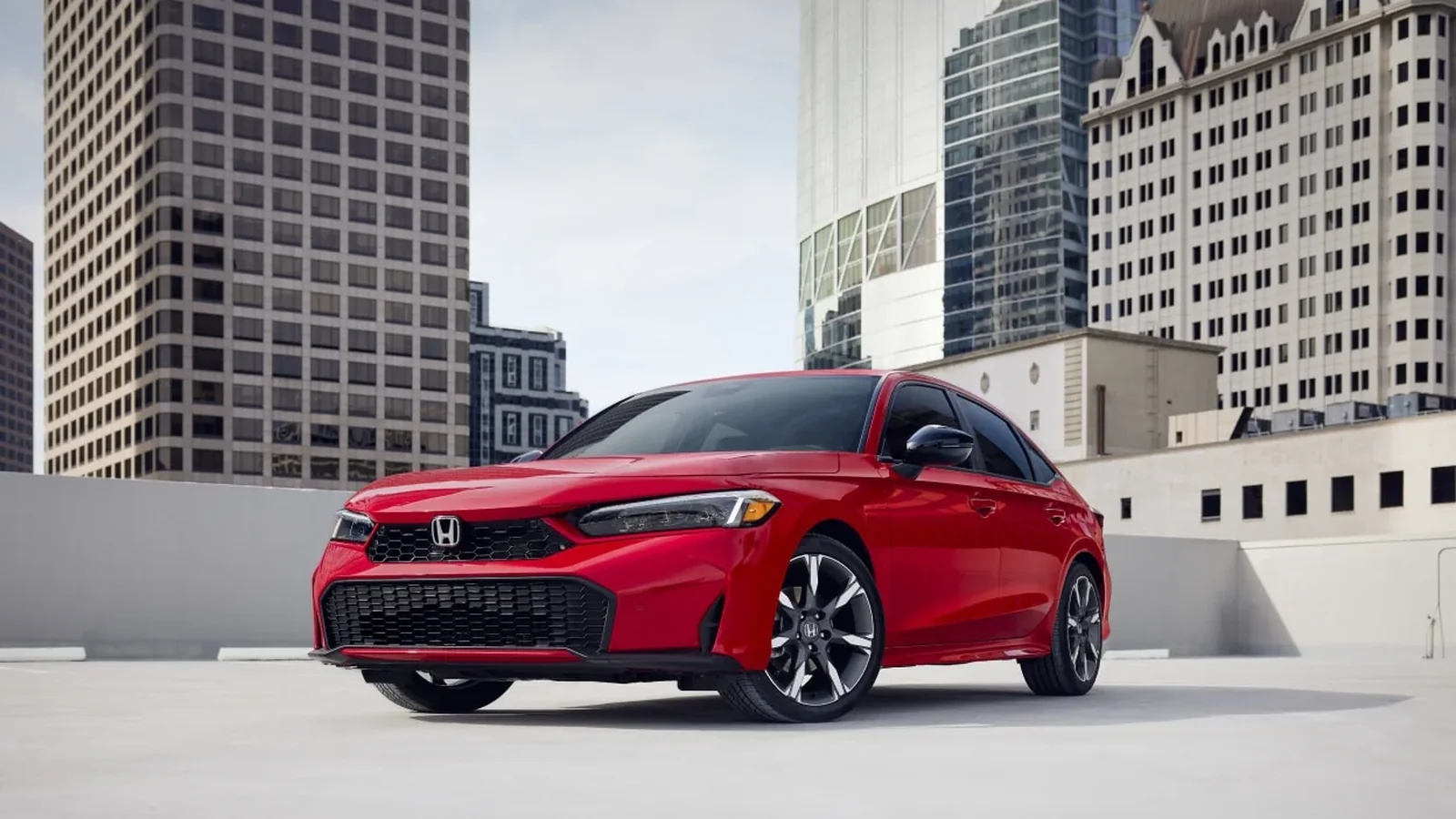
Photo: Honda Canada. 2026 Honda Civic.
The questions to ask before you sign the finance contract
- Which lenders did you submit my application to?
- What rate did each lender offer?
- Which option are you recommending, and why?
- What commission does the dealer earn on each option?
- If I'm pre-approved with my own bank or credit union, can you beat that rate?
- Is there an application fee, and is it refundable if the deal doesn't close?
How to pressure-test the financing on your own
Before you visit the dealership, contact your own bank or credit union. Ask what rate and term they can offer you for the same vehicle. That gives you a real comparison point for what the dealer brings back.
Pull your own credit score from Equifax or TransUnion. The score the dealer sees is what determines the rate you're offered, but it's worth knowing it yourself so you can challenge an unexpected offer.
When the dealer comes back with the rate, ask specifically which lender it came from. If they won't say, that's a signal that something is being hidden. The MVDA doesn't require the dealer to volunteer the rate of every other offer you qualified for — but they can't lie if you ask.
When the dealer is steering you — and what to do
OMVIC's framing is direct: a dealer may know you qualify for a lower rate elsewhere but steer you toward a higher-rate loan because the commission is bigger. That's not illegal per se, but it's deceptive if the dealer knows a better offer exists and doesn't tell you.
If you believe that's happening, the practical steps are: ask for the rate sheet for all the lenders your application was submitted to, compare against your own bank's pre-approval, and if the dealer won't engage, walk away. If you believe the dealer knowingly withheld a better offer and you signed at a higher rate, OMVIC's complaint process is the path.
Frequently asked, Vaughan edition
Does Honda Financial Services pay the dealer a commission?
Yes. Honda Financial Services pays dealers for arranging financing through them — the industry calls this a reserve, and it's built into the rate. The MVDA requires the dealer to disclose that commission on the bill of sale.
Is dealer-arranged financing usually more expensive than going to my own bank?
Not necessarily — sometimes dealer rates match or beat bank rates, particularly on manufacturer finance promotions. The reason to compare against your own bank is to verify the dealer is offering the best option you actually qualify for, not just the option that pays them the most.
Can I refinance a dealer-arranged loan later if I find a better rate?
Yes. Refinancing is allowed at any time on an open loan, and on a closed loan after the prepayment penalty period. Many buyers use their own bank's pre-approval as a benchmark and refinance if the dealer-arranged rate ends up higher than expected.
What's the difference between the rate and APR on a car loan?
The rate is the interest on the loan amount per year. APR (Annual Percentage Rate) includes the rate plus most finance charges expressed as a yearly rate. APR is the better number for comparing offers — it captures fees that hide behind a low nominal rate.
Does Honda Financial Services always offer the lowest rate?
Not necessarily. Honda Financial Services can have promotional rates on new Hondas, but programs change and third-party lenders or your own bank or credit union can sometimes be competitive for your specific file. Get at least two quotes before deciding.
What credit score do I need for the best Honda lease or finance rate?
Credit-score expectations and lender tiers vary by lender, program, model, term, income, debt load, and credit history. Ask Honda Financial Services, your bank, or the dealer for the written approval terms that apply to your actual application.
Can I pay off my car loan early without penalty?
In Ontario, you can pay off a consumer loan early. The lender can charge an early-payment fee only if it was disclosed in the contract and only in specific circumstances. Honda Financial Services contracts typically allow early payoff without penalty — confirm in your specific contract before signing.
Is GAP coverage worth it on a Honda lease or finance deal?
For most Vaughan buyers, yes — especially on a 60+ month finance or on a vehicle that depreciates faster than average. If you total the car in year 2 and owe more than the insurance pays out, GAP covers the difference. Henry will show you the actual quote before you sign.
Want me to walk through the OMVIC piece of your next deal?
If you have a quote from another store, a private sale you're considering, or just a question about how OMVIC's rules apply to your situation, send me the details. I will help you pressure-test the structure.
Ask Henry a question
Not ready to book anything? Just ask. Henry Chen answers every message himself — usually within a couple of hours during business hours. No call list, no pressure, and no obligation to buy anything.