A lot of buyers assume the Passport has always been more or less the same vehicle. It has not. The name stayed. The meaning changed.
If you only know the current Passport, what you are seeing now is the finished version of a long correction. Honda went from borrowing its way into the midsize SUV market to building a Passport that actually behaves like a modern Honda: practical, easy to trust, and clearer about what kind of buyer it serves.
The short version: the first Passport was basically Honda's fast SUV entry in the 1990s. The current Passport is a real Honda-developed two-row midsize SUV with Honda packaging, Honda drivability, and Honda long-term ownership logic behind it.
First and second generation: a shortcut into the SUV boom
The original Passport arrived in the 1990s when the SUV market was moving quickly and Honda did not yet have its own in-house answer ready for every size class. So Honda used a practical shortcut: it sold a Passport that was based on the Isuzu Rodeo.
That move made sense at the time. It let Honda get into the market fast. But it also meant the Passport was not yet a clean expression of what buyers now think of as Honda priorities. It was more truck-like, more borrowed, and less obviously tied to Honda's own design philosophy.
For buyers today, the important point is not to memorize those old model years. The important point is to understand that the Passport name started before the current Honda SUV formula really existed.
The long pause mattered
After the early 2000s, the Passport disappeared for years. That gap is actually important. Honda did not keep forcing a confused product forward. During that time, Honda's SUV identity became much clearer through vehicles like the CR-V and Pilot.
By the time Passport came back, Honda knew much better what its larger SUVs were supposed to do: give buyers space, reliability, predictable ownership, and easier daily use instead of just chasing an image.
The real reset happened with the 2019 return
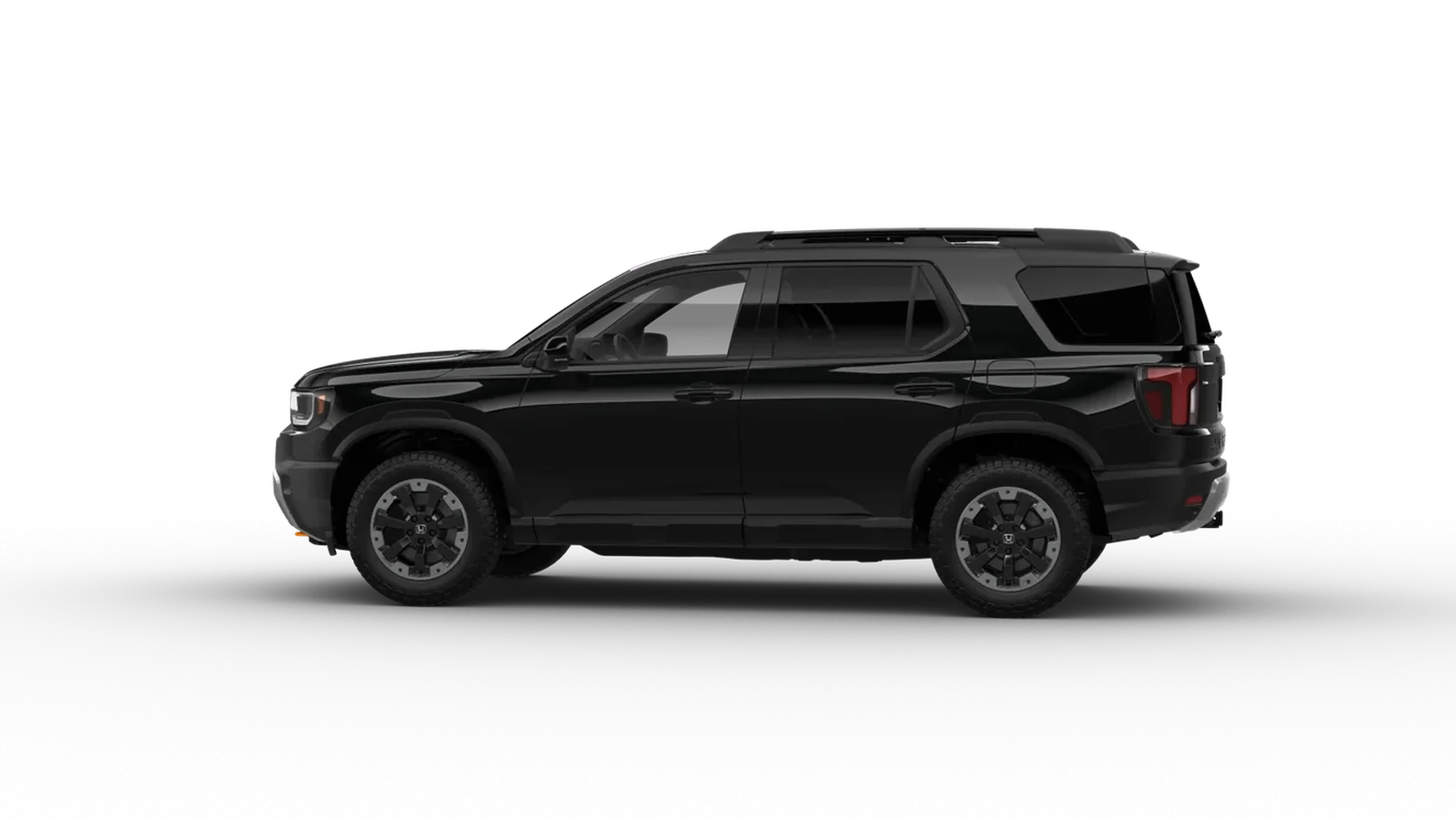
When the Passport returned for the 2019 model year, that was the real turning point. From there, Passport became a true Honda product sharing engineering with the Pilot and fitting into Honda's own SUV family instead of feeling like an outsider wearing a Honda badge.
That changed the whole point of the vehicle. The Passport stopped being a generic midsize SUV answer and became something more specific: a two-row Honda for buyers who want more room, power, and rugged personality than a CR-V, but do not want to carry a third row every day like a Pilot.
Why the current Passport feels more coherent
The current Passport makes more sense because Honda finally knows exactly where it belongs. It is not trying to be the cheapest SUV. It is not trying to be a hard-core off-roader. It is not trying to be a full family bus.
It is the in-between answer for a very specific type of buyer: the person who wants a larger two-row SUV, useful cargo space, V6 power, real bad-weather confidence, and a more rugged personality without paying the day-to-day penalty of a larger three-row vehicle.
- More substantial and more rugged than a CR-V
- Shorter and easier to live with than a Pilot
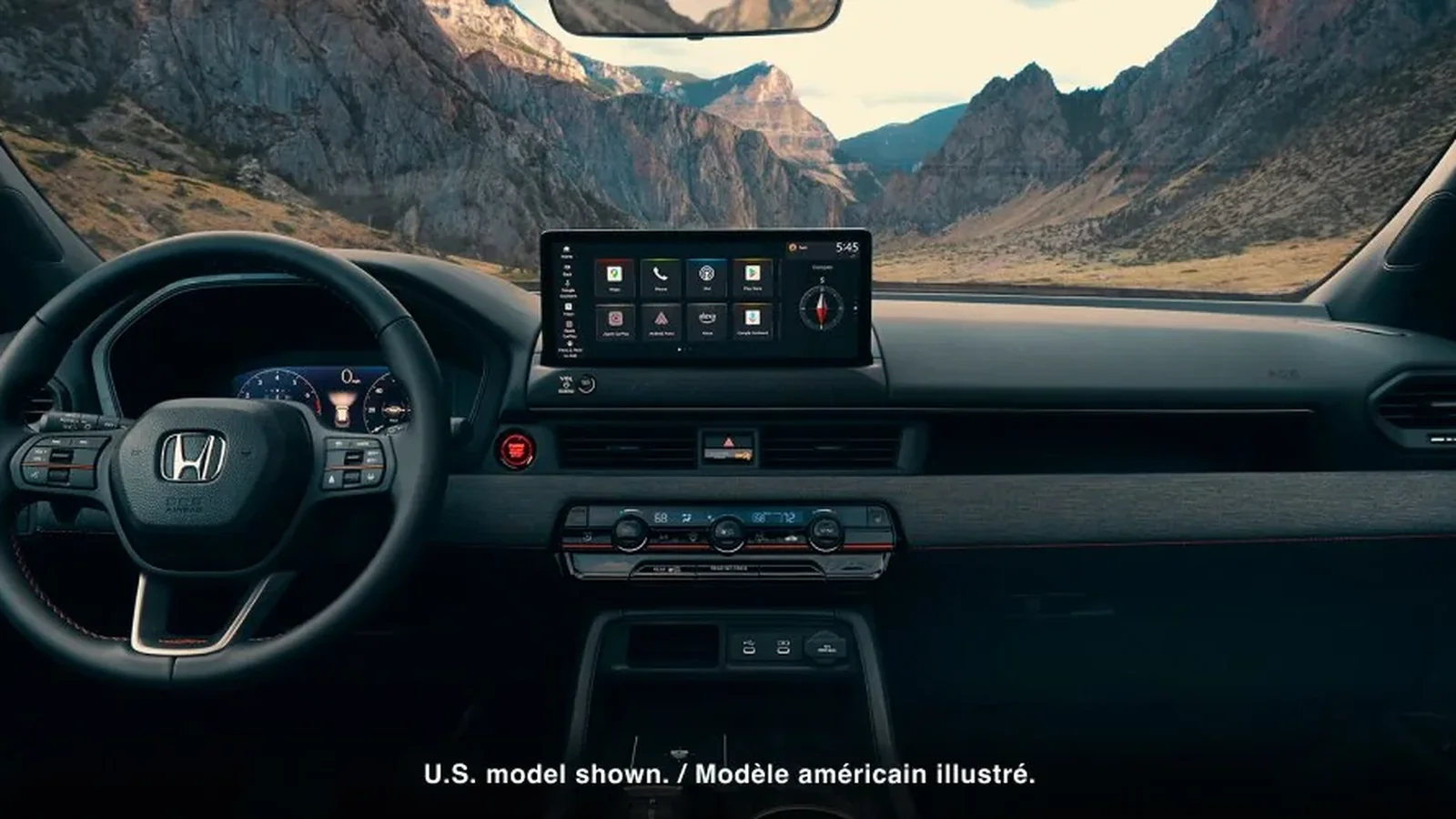
- More Honda-like in its priorities than the old Passport ever was
Why this history matters to a Vaughan buyer
If you are cross-shopping a Passport today, the history helps you avoid a wrong assumption. Some people hear "Passport" and imagine an old badge revived for nostalgia. That is not really the story. The better way to see it is this: Honda used the old name, but the current vehicle is the mature version of an idea Honda did not fully own the first time around.
That matters because it changes what you are buying. You are not buying an old SUV concept kept alive out of habit. You are buying a newer, more deliberate Honda product built around the current buyer question: what if I want something more serious than a CR-V, but I do not need the full Pilot lifestyle?
For a lot of Vaughan, Richmond Hill, and Aurora buyers, that answer lands well. Cottage trips, winter confidence, gear space, and easier daily driving all matter. The Passport fits that use case much better when you understand what it evolved into.
Final thought
The Passport name is older than the current Passport idea. That is the clean takeaway.
The first Passport got Honda into the SUV conversation quickly. The current Passport feels like Honda finally finishing that conversation properly. It now has a clear role, a clearer buyer, and a much more believable place inside the Honda lineup.
If you are deciding between CR-V, Passport, and Pilot, that clarity matters more than the badge history by itself.
Frequently asked, Vaughan edition
Was the original Honda Passport really a Honda?
Not in the way buyers think about the modern Passport. The first two Passport generations were based on the Isuzu Rodeo, which gave Honda a quick SUV entry in the 1990s before Honda had fully developed its own midsize SUV approach.
When did the Passport become a true Honda product?
The big shift came when the Passport returned for the 2019 model year. From that point on it shared Honda engineering with the Pilot and became a genuine Honda-built two-row midsize SUV rather than a rebadged outside product.
Why should a Vaughan buyer care about Passport history?
Because the current Passport makes more sense when you understand what it evolved into: a rugged two-row Honda SUV with Honda packaging, Honda drivability, and Honda long-term ownership priorities instead of a generic old-school truck-based compromise.
What is the easiest way to think about today's Passport?
Think of it as the two-row branch of Honda's larger-SUV family. It gives you more cargo space and a more rugged personality than a CR-V, without making you carry a third row like a Pilot.
Trying to figure out whether Passport, CR-V, or Pilot is the right Honda?
I can walk you through the size jump, the tradeoffs, and which one actually matches your driving instead of just the brochure mood.
Ask Henry a question
Not ready to book anything? Just ask. Henry Chen answers every message himself — usually within a couple of hours during business hours. No call list, no pressure, and no obligation to buy anything.