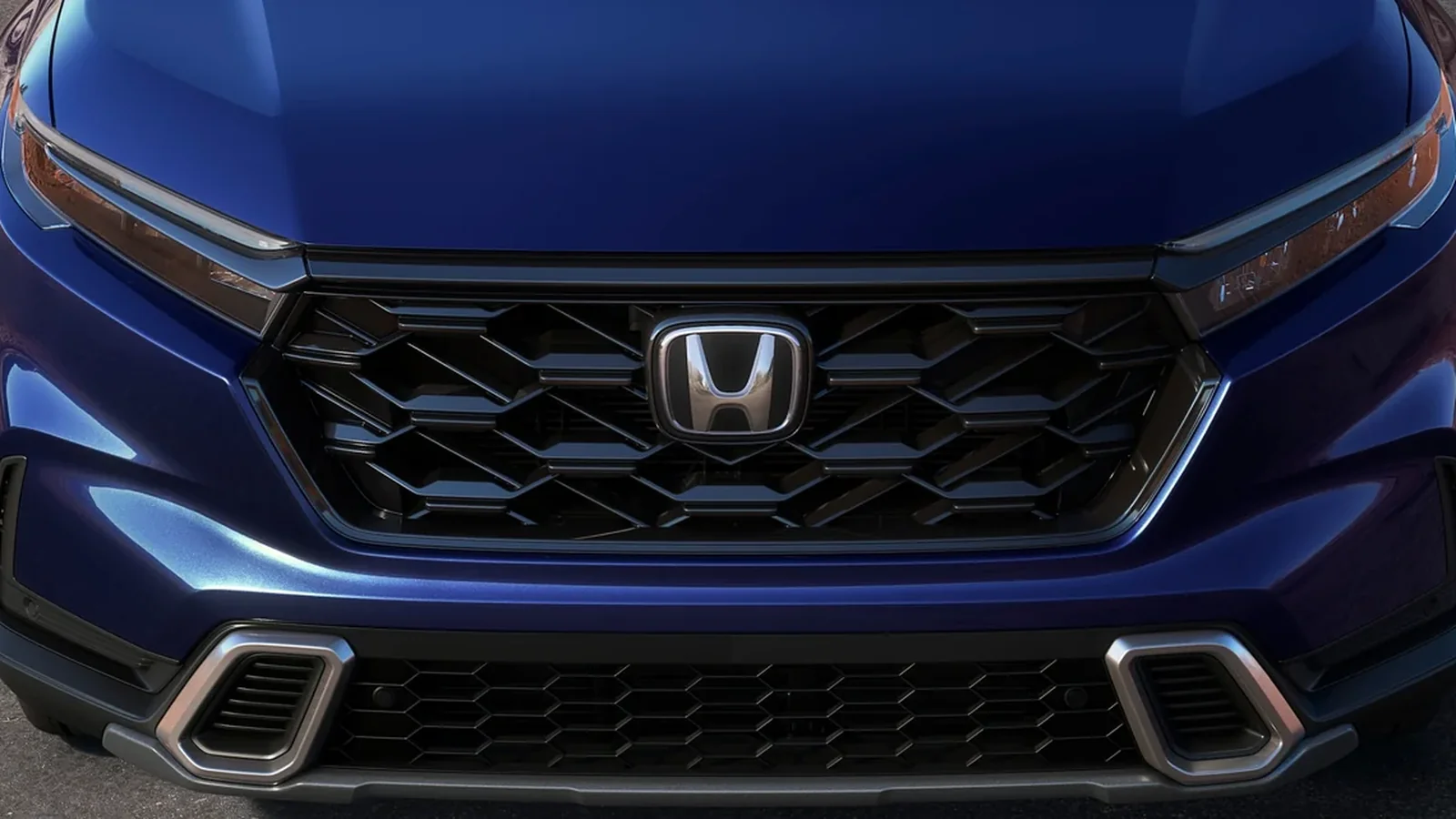
Photo: Honda Canada. 2026 Honda CR-V. Part of the Car Buyer Protection Series by Henry Chen, Maple Honda, Vaughan.
A test drive isn't a victory lap around the block. It's a structured check of the vehicle, the fit, and the way it actually behaves on the road you'll drive every day. OMVIC's test-drive tips cover the basics: bring a partner, adjust the fit, drive in daylight, get on the highway, and test every feature.
At Maple Honda we'll happily send you out for 30-45 minutes on a real loop — residential, arterial, and 400-series highway. That's enough time to feel the brakes, the steering, the transmission, and the cabin noise at speed. It's also enough time to know whether the seat fits your back, the mirrors fit your frame, and the vehicle fits the way you'll actually use it.
Before you pull out of the lot
- Bring a partner — a second set of eyes catches things you'll miss
- Adjust the seat, steering wheel, and mirrors; make sure you reach the pedals comfortably
- Sit in the back seat if you'll ever have back-seat passengers — kids, parents, in-laws
- Check the trunk or cargo area with your actual cargo (stroller, golf clubs, work gear) if you can
- Confirm the test-drive vehicle is the trim and options you intend to buy, not a different one
On the road (OMVIC's list)
- Test in daylight — scratches, dents, and paint imperfections are easier to spot
- Get on the highway — acceleration, cruising, and brake feel at speed are different from in-town driving
- Brake test in a safe, quiet location — firm pedal, no pull to one side, no pulsation
- Transmission shifts — smooth upshifts, no hesitation, no harsh downshifts
- Suspension — does it absorb road imperfections without crashing or floating?
- Steering — crisp on centre, no wander, no vibration
- Cabin noise — wind noise, tire noise, any rattle that wasn't there at low speed
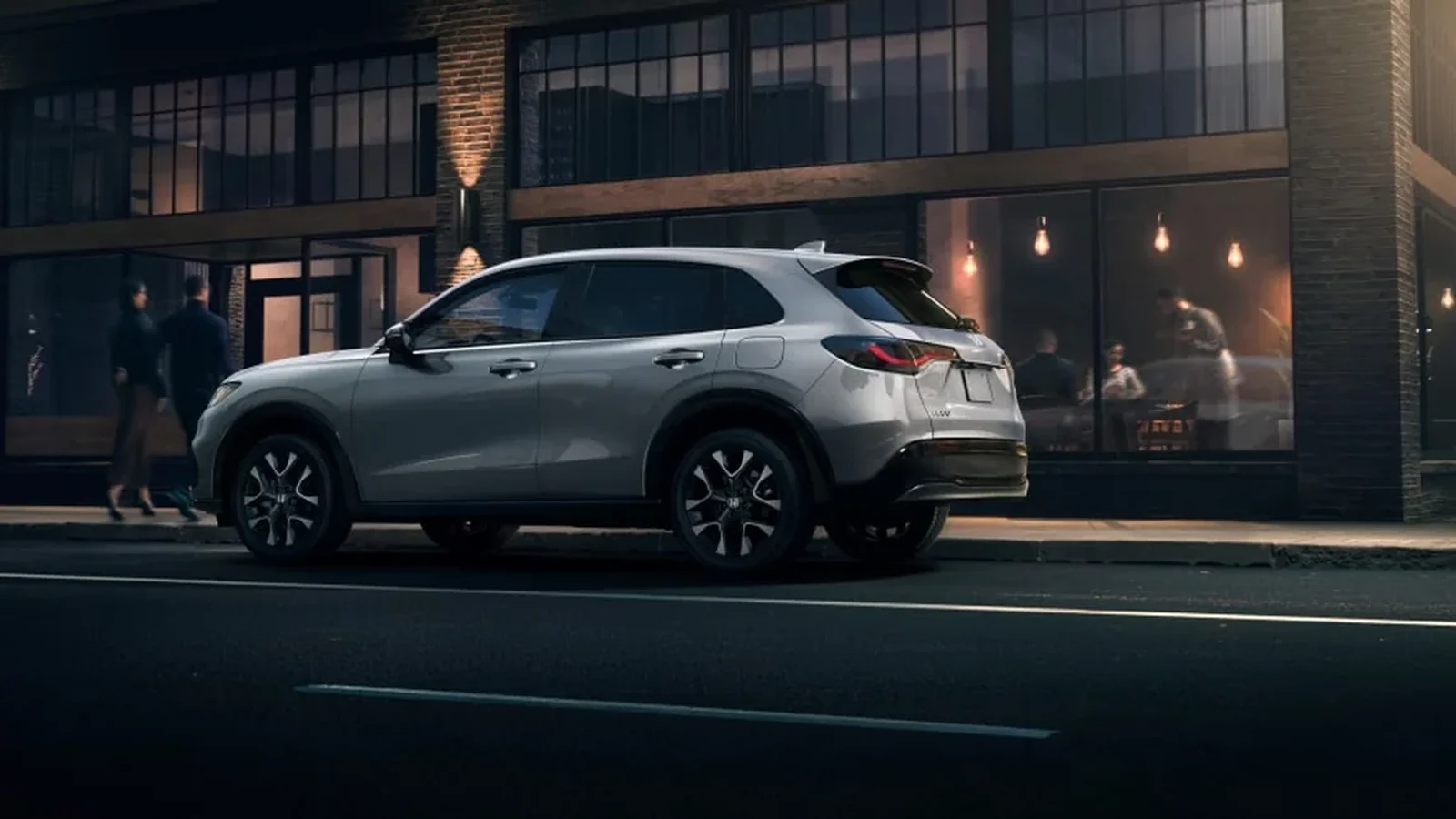
Photo: Honda Canada. 2026 Honda HR-V.
Features that matter (test them all)
- Climate control (heat, A/C, defrost, rear defroster if equipped)
- Infotainment touchscreen, Apple CarPlay / Android Auto
- Bluetooth pairing (and how many devices the system remembers)
- Power windows, power locks, power tailgate
- Heated seats, ventilated seats, heated steering wheel if equipped
- Honda Sensing — adaptive cruise, lane keep assist, road departure mitigation, blind-spot monitoring
- Backup camera, 360° camera, parking sensors
- All remotes — count how many key fobs come with the vehicle (and what replacing one costs)
If you're test-driving a used Honda
Add one more check to the list: bring or arrange a third-party mechanic inspection. OMVIC's guidance is that even with maintenance records, a pre-purchase inspection by a mechanic you trust can catch problems the seller didn't disclose or wasn't aware of. If the seller resists the inspection, that's your answer.
If you're test-driving a private seller's vehicle, OMVIC recommends telling someone where you're going, taking your phone, and meeting in a public place during daylight. The test drive is also your chance to check that the seller's ID matches the name on the ownership.
Frequently asked, Vaughan edition
How long should a test drive last?
Long enough to cover residential, arterial, and highway driving. 20-30 minutes is a reasonable minimum; 45 minutes is ideal. Any dealer who won't give you that long isn't giving you the vehicle you think you're buying.
Do I need insurance to test drive a Honda?
The dealer's insurance covers the vehicle while it's on the lot and during a sanctioned test drive. You don't need to add the test-drive vehicle to your personal policy. Just bring your valid Ontario driver's licence.
Can I test drive a Honda without committing to buy?
Yes — that's exactly what a test drive is. We expect to put 5-10 cars in front of you before you pick the one you want. The test drive is for you to decide, not us.
Do I need to leave a driver's licence or deposit to test drive a Honda?
Yes, in practice. The dealer copies your licence and proof of insurance for the test drive and usually holds a credit card imprint or runs a soft check. No deposit is legally required but is standard for liability. You do not commit to buying.
Can I test drive a Honda by myself or do I need the salesperson with me?
Ontario dealer insurance usually requires a sales or F&I staff member to ride along. Most dealers will let you drive the route you want — highway, parking lot, your actual commute — within reason. Speak up if the test loop is too short for you to feel the car.
What should I actually pay attention to during a test drive?
Five things, in order: (1) seat and visibility — can you reach the controls, see out the back, drive in traffic comfortably? (2) brake feel — strong and progressive, no pulsing or pulling. (3) acceleration — does the car respond the way you would want in a real highway merge? (4) steering — direct, predictable, no vibration. (5) NVH — road and wind noise at 100 km/h, any rattles over bumps. Anything that bothers you at delivery will not get better with time.
Can I take a Honda overnight for an extended test drive?
Most Honda dealers offer same-day, 24-hour, or weekend-long test drives on request, especially on higher-trim vehicles. Ask ahead of time — extended test drives usually require additional insurance verification, and the dealer may ask for a credit card hold.
If a dealer pressures me to commit right after the test drive, what should I do?
Say 'I need to think it over' and leave. OMVIC's code of ethics specifically prohibits high-pressure tactics within a defined cooling-off window after a test drive. Walk away; a real deal will be there tomorrow.
Want me to walk through the OMVIC piece of your next deal?
If you have a quote from another store, a private sale you're considering, or just a question about how OMVIC's rules apply to your situation, send me the details. I will help you pressure-test the structure.
Ask Henry a question
Not ready to book anything? Just ask. Henry Chen answers every message himself — usually within a couple of hours during business hours. No call list, no pressure, and no obligation to buy anything.