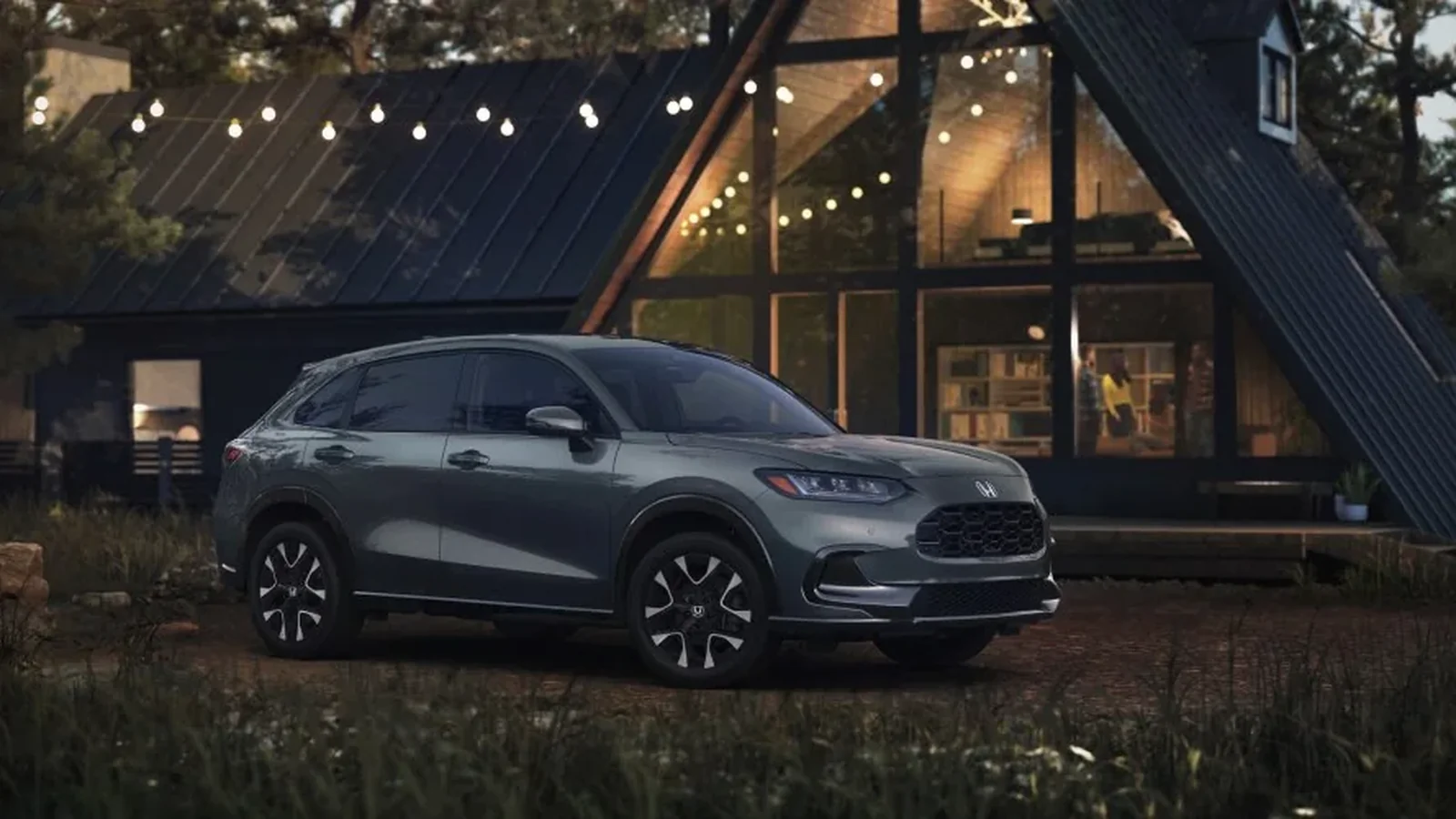
Photo: Honda Canada. 2026 Honda HR-V. Part of the Car Buyer Protection Series by Henry Chen, Maple Honda, Vaughan.
Rolling back an odometer used to require a mechanic with a soldering iron. Today it requires a laptop and a $50 tool from an online marketplace. The Canadian government estimated the cost of odometer fraud in the hundreds of millions of dollars a year, and most of it hits used-vehicle buyers who don't know what to look for.
OMVIC's guidance is clear: pull a CARFAX, demand the UVIP, get an independent mechanic inspection, and learn the warning signs inside the car itself. None of these are complicated. All of them are worth doing.
Documents that catch most rollback fraud
- Used Vehicle Information Package (UVIP) — required by Ontario law for any private sale. Lists historical odometer readings from MTO records. Get all pages; verify the pages match.
- CARFAX Canada — pulls reported odometer readings from service records, emissions tests, and inspection stations. Use the VIN. Don't rely on the seller's copy.
- Service records — if the seller has a stack of dealer service stamps, the odometer readings on those invoices tell a story. They should be monotonically increasing.
- Honda dealer service history — if the car was serviced at any Honda dealer in Canada, the mileage was logged in Honda's system at each visit. We can pull this for any Honda that came through our store.
Warning signs inside the car that don't match the odometer
A rolled-back odometer is hard to catch from the digits alone — they're literally being reprogrammed. But the rest of the car can't lie. A vehicle showing 78,000 km with worn suspension components, a pitted windshield, and shiny pedals is a vehicle that has lived more than 78,000 km of life. Trust your eyes.
- Worn upholstery, bolster wear on the driver's seat, polished leather or fabric in unexpected spots
- Worn steering wheel — the leather or plastic has thinned where the hands sit
- Worn rubber pedal pads — gas, brake, and clutch should still have texture
- Suspension that clunks or bottoms out over small bumps
- Pitted or sand-blasted windshield — typically a high-mileage wear pattern from years of highway driving
- Driver information display or infotainment screen with faded segments
- A cabin filter or air filter that looks decades older than the odometer suggests
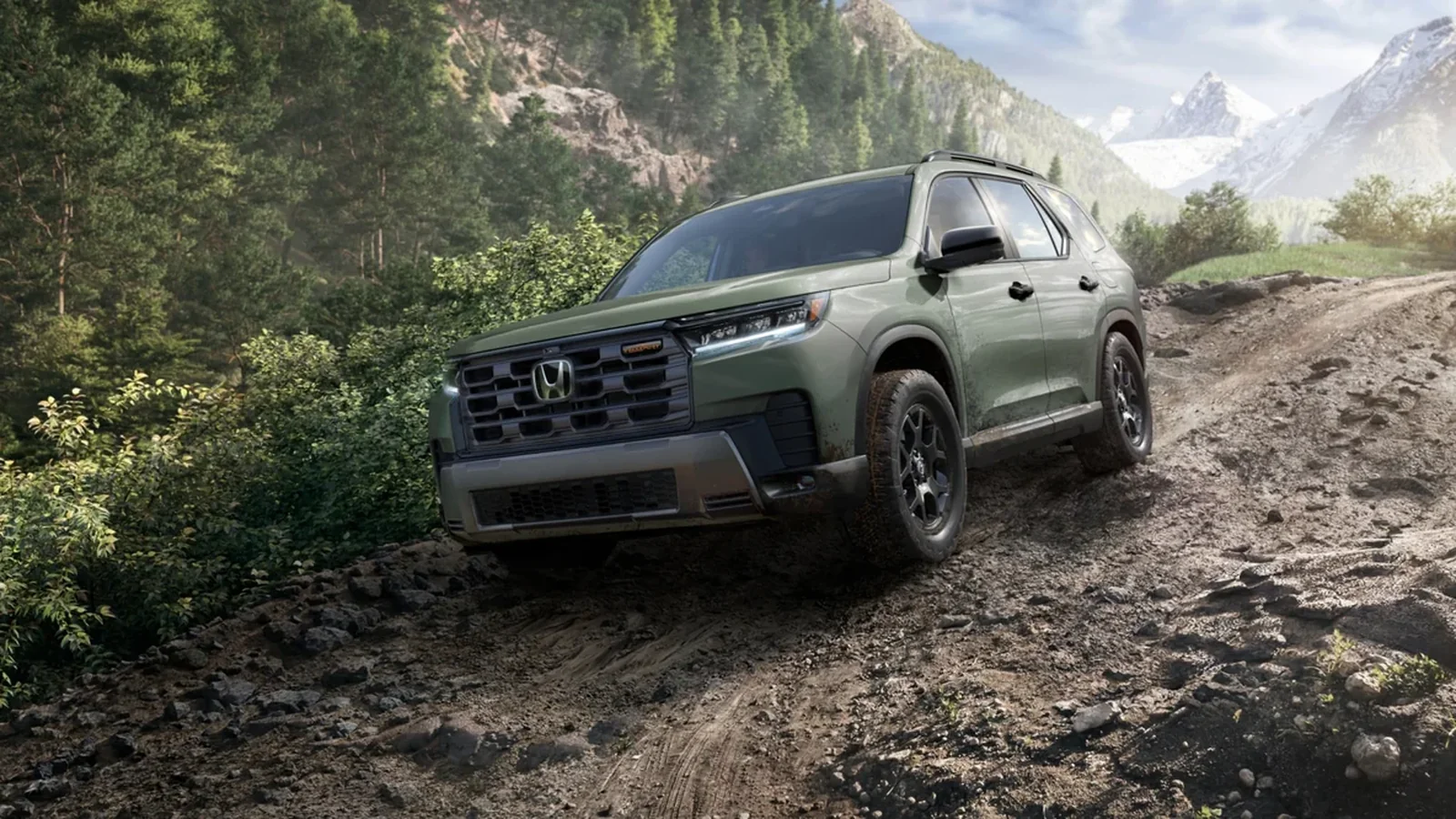
Photo: Honda Canada. 2026 Honda Pilot.
Why this matters more for used Hondas than new Hondas
A new Honda from an OMVIC-registered dealer is delivered with under 75 km on the clock (transport plus PDI). The odometer line on the contract will state the maximum delivery distance, and that's the entire odometer history. There's no rollback risk because there's no rollback to perform.
Used Hondas — particularly older Civics, CR-Vs, and Accords that change hands frequently — are where the risk concentrates. Honda's resale strength is exactly what makes them attractive to fraudsters: a 2017 CR-V EX with 80,000 km showing is worth a lot. The same vehicle with 180,000 km is worth considerably less.
Your rights if a registered dealer sells you a rolled-back vehicle
OMVIC's MVDA makes odometer accuracy a required disclosure. If we sell you a Honda and the odometer turns out not to reflect the actual distance travelled, you have a 90-day right to cancel the contract and get your money back. That's not a courtesy — it's the law.
If a private seller or a curbsider sells you a rolled-back vehicle, OMVIC can't help you directly. You're in civil-court territory, often against a seller you can't track down. This is the single biggest practical reason to buy from an OMVIC-registered dealer rather than private.
Frequently asked, Vaughan edition
Can a digital odometer actually be rolled back?
Yes. Modern digital instrument clusters store mileage in EEPROM chips that can be rewritten with off-the-shelf tools. The barrier to entry is essentially zero, which is why the practice has spread online.
Does a CARFAX always catch rollback fraud?
No. CARFAX only catches it when a previous owner, service shop, or inspection station recorded the mileage. If the car was rolled back before any digital record existed, CARFAX won't know. That's why the in-car physical inspection still matters.
Is a UVIP enough on its own?
It's a strong start, but the OMVIC guidance is clear: UVIP odometer readings are unverified, and small discrepancies don't automatically mean tampering. Cross-check it against CARFAX and the physical condition of the vehicle.
How common is odometer rollback in Ontario?
Less common than it used to be thanks to digital odometers and the UVIP system (which records readings at each ownership transfer), but it still happens — particularly on older vehicles with mechanical odometers, on vehicles imported from provinces with weaker record-keeping, and on salvage-rebuilt vehicles. OMVIC's enforcement data shows odometer fraud remains a recurring complaint category. The best protection is always to verify the UVIP and run a Carfax before paying.
What are the signs of an odometer rollback?
Five physical signs: (1) worn pedals, steering wheel, driver's seat, and shifter inconsistent with the displayed mileage, (2) faded or cracked dashboard area around the odometer (signs of disassembly), (3) service records showing higher mileage at earlier dates than the current odometer reading, (4) gaps in Carfax or UVIP mileage history (especially across province transfers), (5) dashboard warning lights (security, airbag, check engine) that don't match the displayed mileage's 'low' claim. If you see two or more, walk away.
Can I get a refund if I find out the odometer was rolled back after I buy?
From a registered Ontario dealer — yes, OMVIC's mandatory disclosure rule and the MVDA's misrepresentation provisions give you strong recourse. You can file a complaint, request rescission, and pursue damages. From a private seller or curbsider — limited recourse; you may need small claims court. Document everything and act quickly — Ontario's 90-day statutory cancellation right under the Consumer Protection Act applies in some misrepresentation cases.
Does Carfax catch every odometer rollback?
No. Carfax is only as good as the data it receives from reporting sources (service shops, DMV visits, insurance claims, auctions). A skilled rollback on a vehicle with sparse service history can be invisible to Carfax. The UVIP gives a similar but separate dataset focused on Ontario registration events. Neither is perfect — both are necessary, neither is sufficient. A pre-purchase inspection by an independent mechanic is the third layer of protection.
Is odometer rollback a criminal offence in Canada?
Yes, under the Criminal Code of Canada. Section 380 (fraud) and Section 362 (false pretence or false statement) both apply. Penalties include fines and up to 14 years imprisonment on indictment. Convicted sellers also face civil liability for the buyer's damages. The Criminal Code charges are federal — separate from OMVIC's provincial dealer-conduct jurisdiction — and either or both can apply.
Want me to walk through the OMVIC piece of your next deal?
If you have a quote from another store, a private sale you're considering, or just a question about how OMVIC's rules apply to your situation, send me the details. I will help you pressure-test the structure.
Ask Henry a question
Not ready to book anything? Just ask. Henry Chen answers every message himself — usually within a couple of hours during business hours. No call list, no pressure, and no obligation to buy anything.