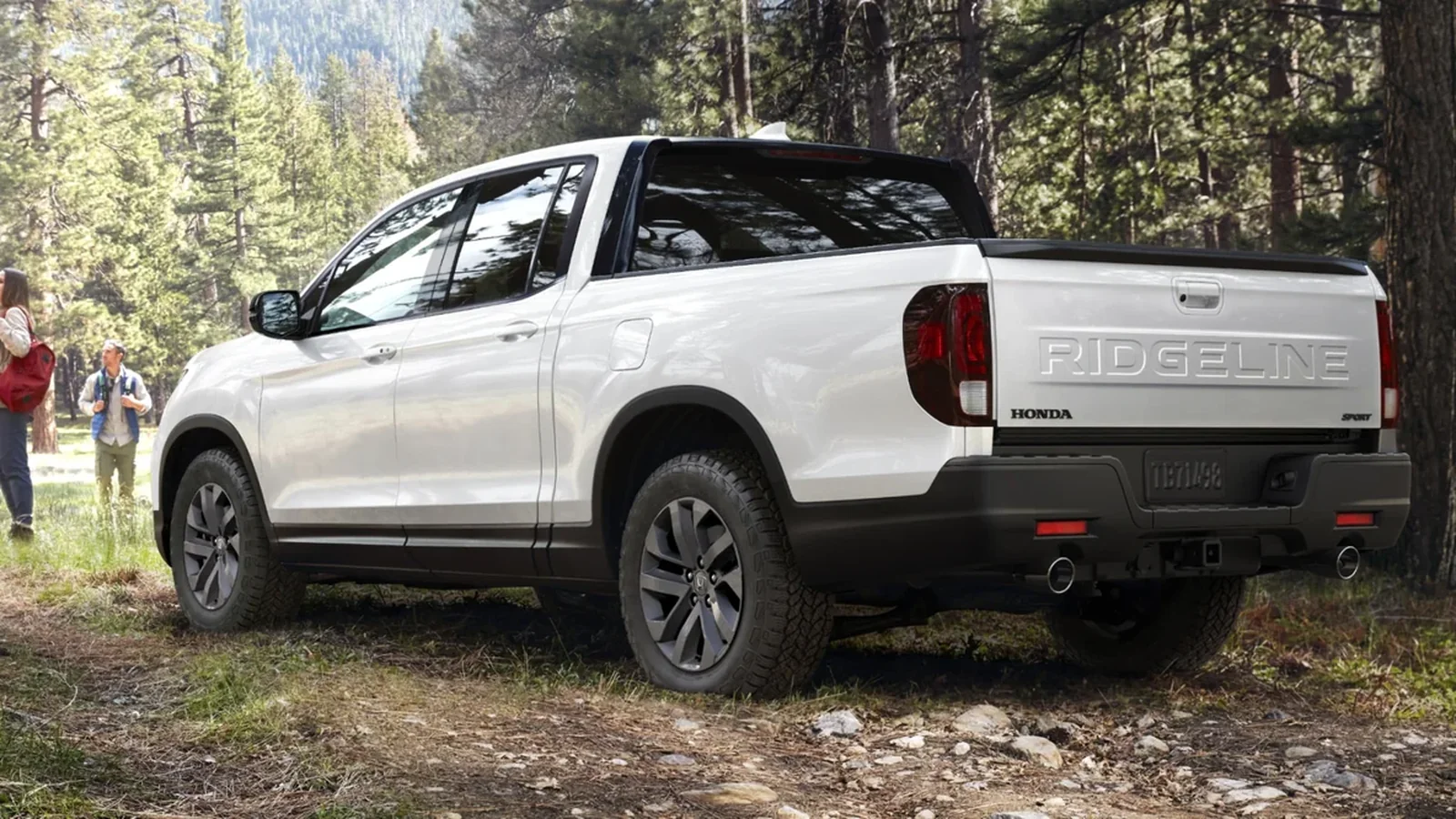
Photo: Honda Canada. 2026 Honda Ridgeline. Part of the Car Buyer Protection Series by Henry Chen, Maple Honda, Vaughan.
OMVIC's rule under the MVDA is straightforward: when an Ontario dealer sells an extended warranty, the warranty has to be insured by a licensed insurance company or backed by a letter of credit posted with OMVIC's Compensation Fund. If the provider goes bankrupt or refuses to pay claims, the dealer is responsible for covering the buyer.
OMVIC maintains a public list of warranty providers that have posted a letter of credit. The list was last updated May 22, 2026. If the third-party warranty you're being offered isn't on that list, that's a structural warning: when the provider fails, the dealer doesn't have to step in.
Why the letter of credit matters
A warranty provider that isn't insured and hasn't posted a letter of credit is essentially an unsecured promise. If the provider goes bankrupt — which has happened multiple times in the extended-warranty industry — the buyer's claims vanish with the company. The dealer isn't liable. The buyer is stuck.
OMVIC's rule closes that gap. If a dealer sells an uninsured warranty product, that's a compliance violation that can lead to regulatory action against the dealer. The MVDA requires the dealer to verify insurance status or letter of credit before selling the product.
Honda Plus is the cleanest path
Honda Plus is Honda Canada's own extended service plan. It's insured, administered by Honda, and honoured at any Honda dealer in Canada. The terms, deductibles, and exclusions are documented in plain language. If you want the convenience of bundled extended coverage on a Honda, Honda Plus is the structurally simplest choice.
Third-party warranty products vary widely. Some are insured by major insurers and rated well. Others are lightly capitalized and loaded with exclusions. OMVIC's list is the cleanest way to verify the third-party product you've been offered.
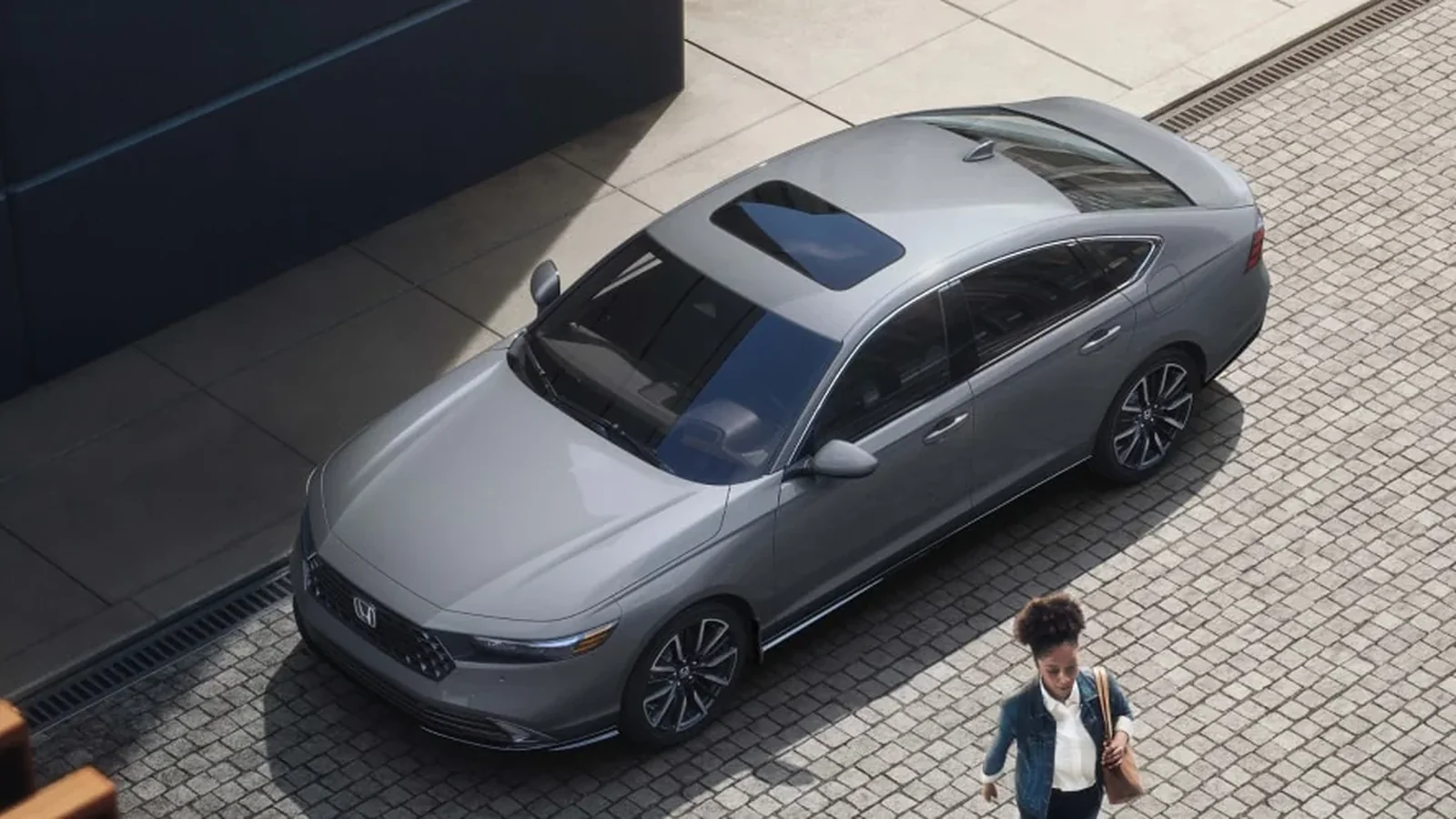
Photo: Honda Canada. 2026 Honda Accord.
How to use OMVIC's secured warranty providers list
- Before you sign the warranty contract, ask the dealer which provider they're offering
- Ask the dealer if the provider is insured or has a letter of credit with OMVIC
- Check OMVIC's secured warranty providers list on omvic.ca (last updated May 22, 2026)
- If the provider isn't on the list, ask the dealer why — and consider Honda Plus as an alternative
- If the dealer pushes back on the verification question, that's the warning
What the list tells you
OMVIC's list includes both individual warranty providers and dealer groups that have posted a letter of credit for warranty products they sell. The list is alphabetical by company. The list is a snapshot — providers can be added or removed — so check the most recent version on omvic.ca before relying on it.
If you have questions about whether a specific provider has posted a letter of credit, OMVIC's Industry Standards & Conduct Department at 1-800-943-6002 can confirm.
When the warranty provider fails
If you've already bought a warranty from a provider that subsequently fails, and the provider was insured or had a letter of credit with OMVIC, the dealer is responsible for covering your valid claims. Contact the dealer first; if they won't engage, file an OMVIC complaint.
If the provider wasn't insured and didn't have a letter of credit, and the dealer sold it to you anyway, that's a compliance issue. OMVIC's complaint process can address it, and the Compensation Fund may be able to step in if the situation qualifies. The clean dealer would never have sold the product in the first place.
Frequently asked, Vaughan edition
Is every extended warranty sold in Ontario required to be on OMVIC's list?
Not necessarily — the list shows providers that have posted a letter of credit with OMVIC. A warranty product can also be insured by a licensed insurance company without being on the letter-of-credit list. The MVDA requirement is that the warranty be either insured OR letter-of-credit-backed.
How often is OMVIC's secured warranty list updated?
OMVIC updates the list as providers add or remove letters of credit. The May 22, 2026 update is the most recent. Always check the omvic.ca page directly for the current version before relying on it.
If I have a claim dispute with a third-party warranty, can OMVIC help?
Yes. If the warranty was sold by an OMVIC-registered dealer and the provider refuses to pay a valid claim, OMVIC's complaint process applies. If the provider has gone bankrupt, the dealer may be responsible for the claim if the warranty was properly secured.
What does 'secured' mean in OMVIC's warranty provider list?
'Secured' means the warranty provider has filed security (a bond or letter of credit) with OMVIC that protects consumers if the provider goes bankrupt or fails to pay claims. OMVIC's secured warranty list (the official registry) tells you which providers meet this standard. Buying from a non-secured provider means you have no backstop if they go under.
How do I check if a warranty provider is on OMVIC's secured list?
OMVIC publishes the current list on omvic.ca. The list is updated regularly as providers come and go. Before signing any extended warranty contract, verify the provider is currently on the list. If they are not, ask the dealer why they are offering an off-list product — it could be a margin play, or it could be a red flag about the provider's stability.
What is the difference between a secured and unsecured extended warranty?
Secured: provider has filed security with OMVIC, claims are protected if the provider fails. Unsecured: no such backstop. Unsecured warranties are legal to sell in Ontario, but if the provider goes bankrupt, you have no protection beyond standard contract law. The price difference is usually small ($100 to $300 over the contract life) — secured is almost always worth it.
Can a dealer sell an extended warranty from a non-secured provider?
Yes — there is no law prohibiting it. But OMVIC's guidance is clear: dealers who sell unsecured warranties may face additional disclosure requirements or complaints if the provider later fails. The dealer's incentive to push unsecured products is usually higher commission or better margins from the provider. Ask why the warranty is being offered by that specific provider.
How do I file a claim on a third-party warranty?
Three steps: (1) take the vehicle to any licensed repair shop (some warranties restrict to specific networks — check your contract), (2) get a written diagnosis and quote for the covered failure, (3) call the warranty provider's claims line (number on your contract) to open a claim. The provider approves or denies; if denied, you can appeal per the contract terms. If the provider is on OMVIC's secured list, OMVIC's Compensation Fund may also apply if the provider fails to pay.
Want me to walk through the OMVIC piece of your next deal?
If you have a quote from another store, a private sale you're considering, or just a question about how OMVIC's rules apply to your situation, send me the details. I will help you pressure-test the structure.
Ask Henry a question
Not ready to book anything? Just ask. Henry Chen answers every message himself — usually within a couple of hours during business hours. No call list, no pressure, and no obligation to buy anything.