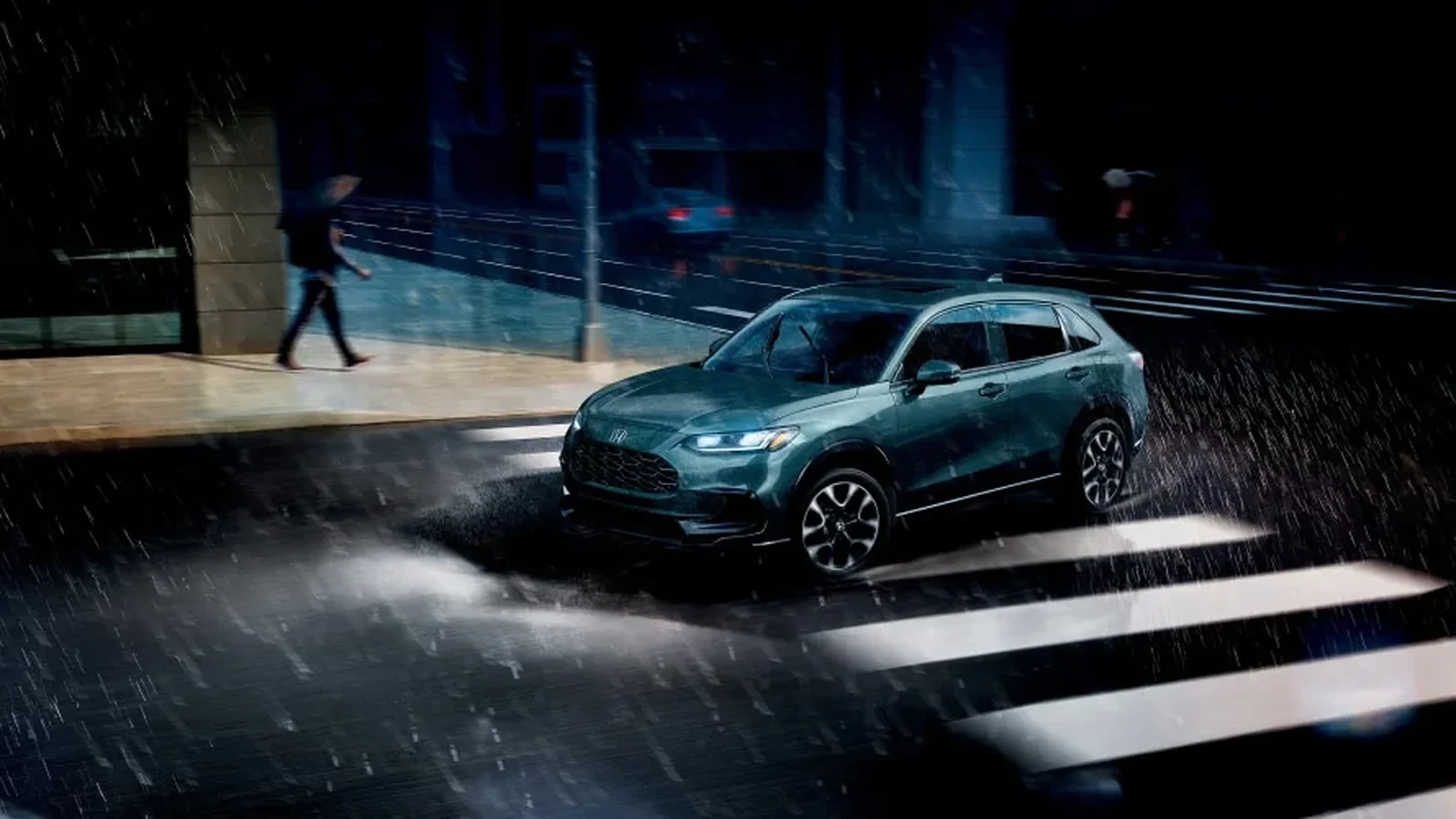
Photo: Honda Canada. 2026 Honda HR-V. Part of the Car Buyer Protection Series by Henry Chen, Maple Honda, Vaughan.
An extended warranty covers mechanical breakdown after the factory warranty ends. It is not insurance — it's a service contract. OMVIC's rule under the MVDA is that any extended warranty sold by a registered dealer must be insured by a licensed insurance company, or backed by a letter of credit posted with OMVIC's Compensation Fund.
The practical implication: if a third-party warranty provider goes bankrupt, the dealer is responsible for honouring your valid claims. That's the protection the MVDA buys you. It's also why a cheap third-party warranty with no insurance backing is a red flag — if the provider fails, the dealer isn't on the hook, and you're on your own.
When an extended warranty actually makes sense
- You're buying a used vehicle that no longer has factory warranty coverage
- You plan to keep the vehicle past the manufacturer's warranty period (typically 5 years / 100,000 km on a new Honda powertrain)
- You don't have the cash flow to absorb a $3,000-$5,000 surprise repair bill
- You want the convenience of bundled coverage rather than paying for repairs out of pocket
Honda Plus vs. third-party warranty
Honda Plus is Honda Canada's own extended service plan. It's sold and administered by Honda, backed by Honda Canada's insurance structure, and honoured at any Honda dealer in Canada. The coverage, deductibles, and exclusions are clearly documented. It's the simplest extended warranty to understand because the manufacturer is the warranty provider.
Third-party warranty products vary widely. Some are insured and well-rated; others are cheap, lightly capitalized, and loaded with exclusions. OMVIC maintains a public list of warranty providers that have posted a letter of credit with the Compensation Fund. If the third-party product you're being offered isn't on that list, that's a sign to slow down.
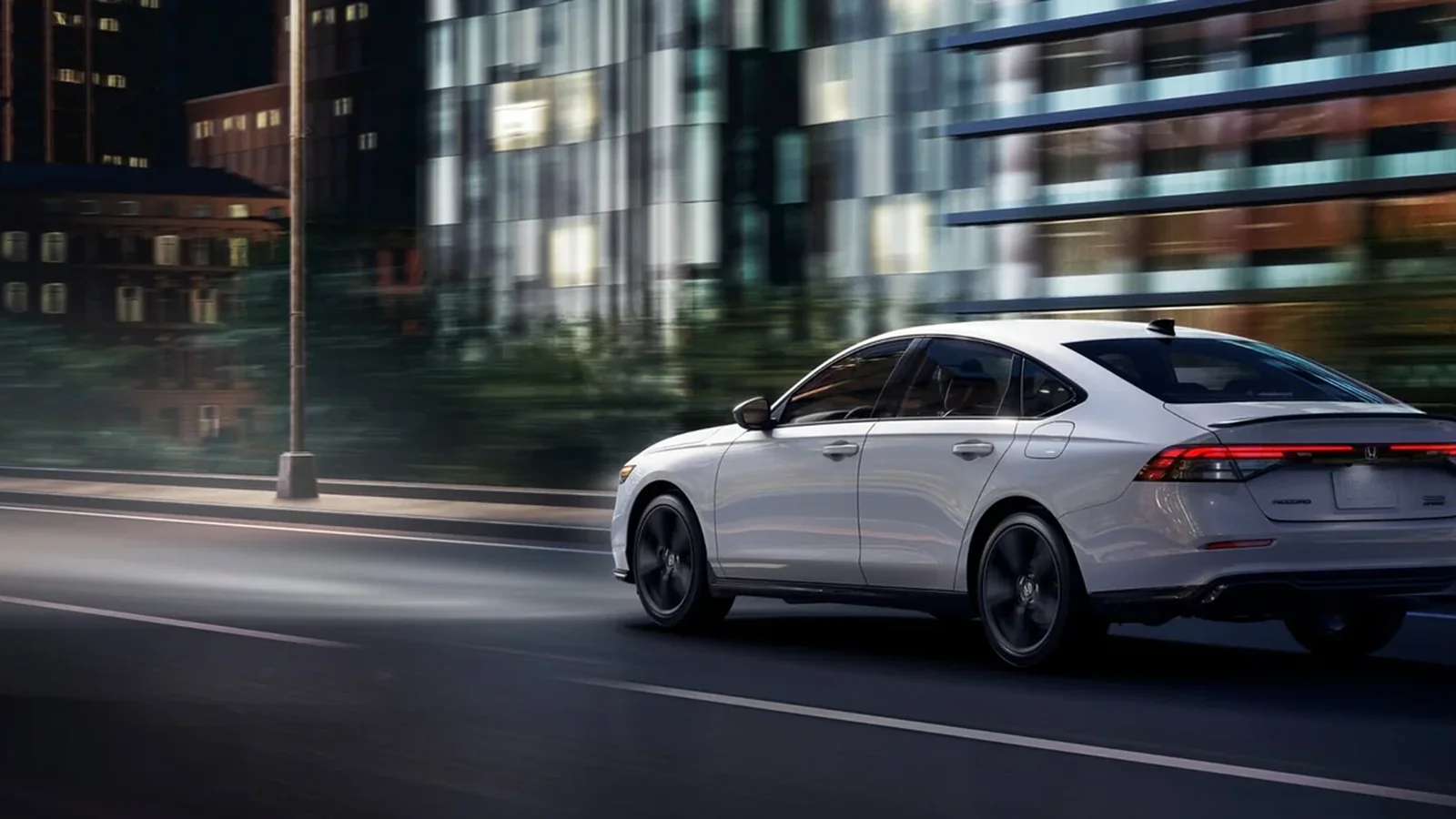
Photo: Honda Canada. 2026 Honda Accord.
The questions OMVIC wants you to ask before you sign
- Is this product insured, and by which insurance company?
- What's the maximum claim limit? Some products cap at $500 per claim — useless for a transmission repair.
- What's the deductible per claim?
- Are there exclusions for seals, gaskets, or pre-existing conditions?
- Does the contract require repairs to be done at a specific shop, or can I go to any licensed mechanic?
- Is there an activation fee beyond the price of the warranty? OMVIC warns that some providers charge $100+ to activate coverage after the sale.
- Can the warranty be transferred if you sell the vehicle?
- If the warranty is being sold at the same time as the vehicle, all-in pricing rules say the cost has to be in the advertised price
- If you buy a manufacturer extended warranty while the vehicle is still under factory warranty, the extended warranty starts at delivery — meaning it overlaps the factory coverage. You're not double-covered, but you are paying for coverage you already had.
- Some warranty providers call you after the sale to "activate" the warranty, then upsell you on additional coverage. OMVIC's position: this is a marketing tool. Ask about activation fees in writing before you sign.
Frequently asked, Vaughan edition
Is Honda Plus worth it on a new Honda?
It depends on how long you plan to keep the vehicle. If you trade in at year 3 or 4, the factory warranty covers everything you need. If you plan to keep it past year 5, Honda Plus picks up where the factory warranty leaves off and can be a sensible addition.
What happens if my warranty provider goes bankrupt?
If the warranty was sold by an OMVIC-registered dealer and the provider was insured or had a letter of credit with OMVIC, the dealer is responsible for covering your valid claims. That's a key reason to buy from a registered dealer rather than direct from a third party.
Does an extended warranty cover regular maintenance?
No. Extended warranties cover mechanical breakdown, not wear-and-tear maintenance (oil changes, brakes, tires, batteries). Read the contract's exclusions carefully.
What is the difference between Honda Plus and a third-party extended warranty?
Honda Plus is Honda Canada's own extended warranty, sold at the dealer finance office and serviced at any Honda dealer in Canada. Third-party warranties are sold by independent companies and may limit where you can get repairs. Honda Plus typically has a $0 deductible; third-party plans often carry $100 to $200 per visit. Honda Plus is the safer choice for most buyers.
Can I buy an extended warranty after the factory warranty expires?
Sometimes. Honda offers a Comprehensive Protection Plan that can be added to eligible vehicles up to 4 years or 100,000 km. After that, options narrow. Most third-party warranty providers require purchase before the factory warranty expires. Buy it sooner rather than later if you want coverage — the longer you wait, the more it costs and the less coverage you get.
What does an extended warranty typically NOT cover?
Standard exclusions: normal wear items (brake pads, wiper blades, tires, batteries), maintenance (oil changes, filters, fluids), damage from accidents or abuse, modifications, racing, off-road use, and pre-existing conditions known at the time of purchase. Always read the 'What is not covered' section before signing — that is where the real limitations are.
Is the warranty price negotiable on a Honda?
Yes. Honda publishes the maximum dealer price list on honda.ca. Dealers can sell for less — sometimes significantly less, especially on a competitive deal or if you ask. Do not accept the first number; ask if there is room. Henry quotes Honda Plus at the published price but is happy to bundle it into the overall deal math if you are buying a car that day.
Ask Henry a question
Not ready to book anything? Just ask. Henry Chen answers every message himself — usually within a couple of hours during business hours. No call list, no pressure, and no obligation to buy anything.