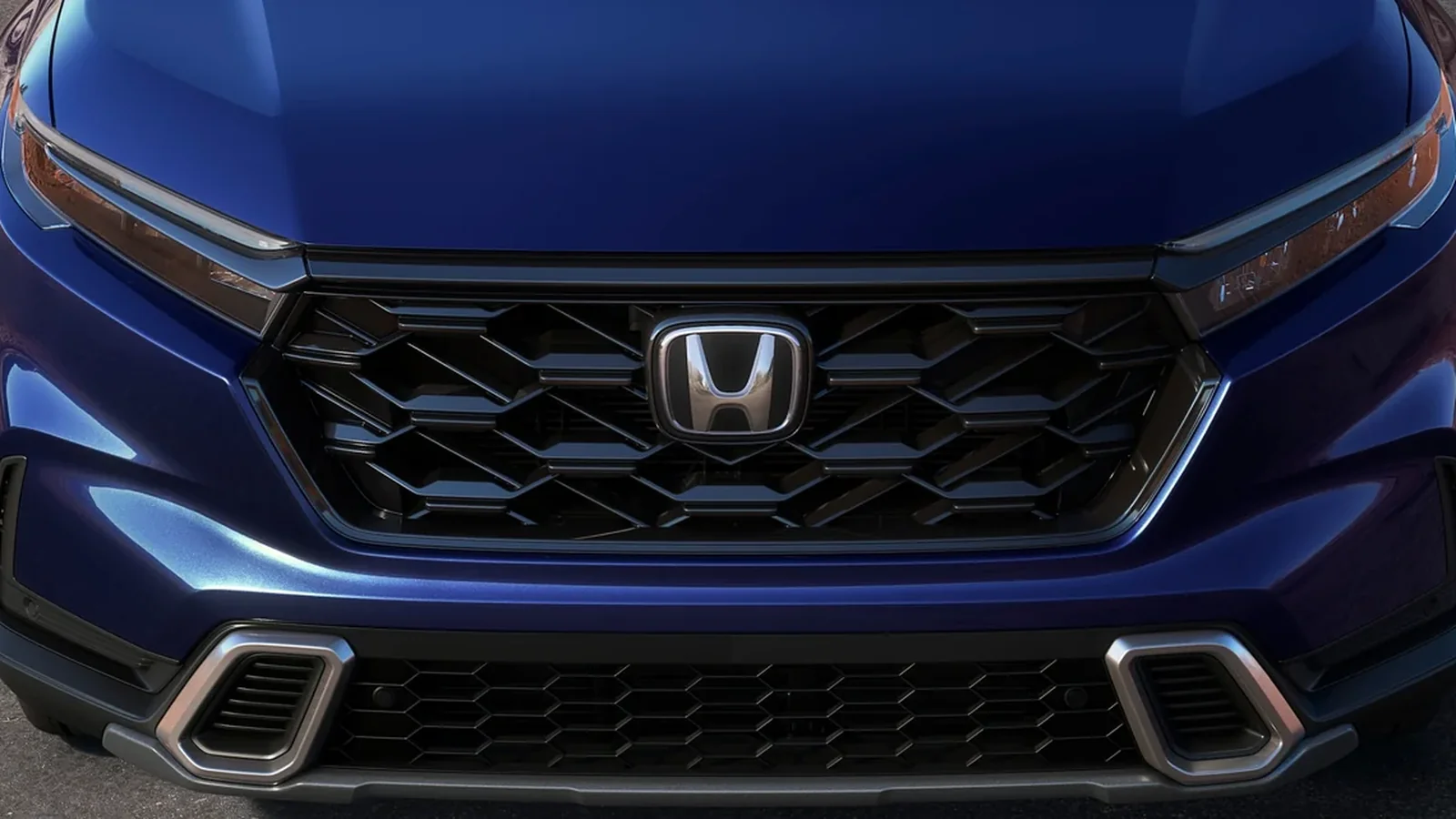
Photo: Honda Canada. 2026 Honda CR-V exterior styling.
The Honda CR-V started 2026 with strong U.S. demand. American Honda reported 226,114 CR-V sales through June, up 6% from the first half of 2025.
American Honda's July 1, 2026 release reported 226,114 U.S. CR-V sales in the first half, up 6% year over year. CR-V hybrid-electric sales reached a first-half record of 124,017, representing about 55% of CR-V volume. American Honda — July 1, 2026 sales release
What it means: The manufacturer-reported result supports one narrow conclusion: U.S. CR-V demand grew in the first half of 2026, and more than half of those sales were hybrid-electric models. It does not establish a Canadian ranking or prove how the CR-V compared with every competing nameplate.
But the CR-V's success is not only about competitors slowing down. Honda still had to have the right product at the right time — and the CR-V fits what many buyers are looking for now.
The CR-V is practical, efficient, easy to drive, spacious for a compact SUV, and available with a strong hybrid option. It gives families the everyday usability they want without the size, fuel cost, or price jump of a large truck or three-row SUV. For many buyers, that balance is exactly the point.
The market moved to where the CR-V already was
This sales result also shows how much the market has changed. A compact SUV is no longer just a “smaller choice.” For a growing number of drivers, it is the main family vehicle. Buyers want cargo space, all-weather confidence, good fuel economy, strong resale value, and technology that is easy to live with. The CR-V delivers those things in a very straightforward way.
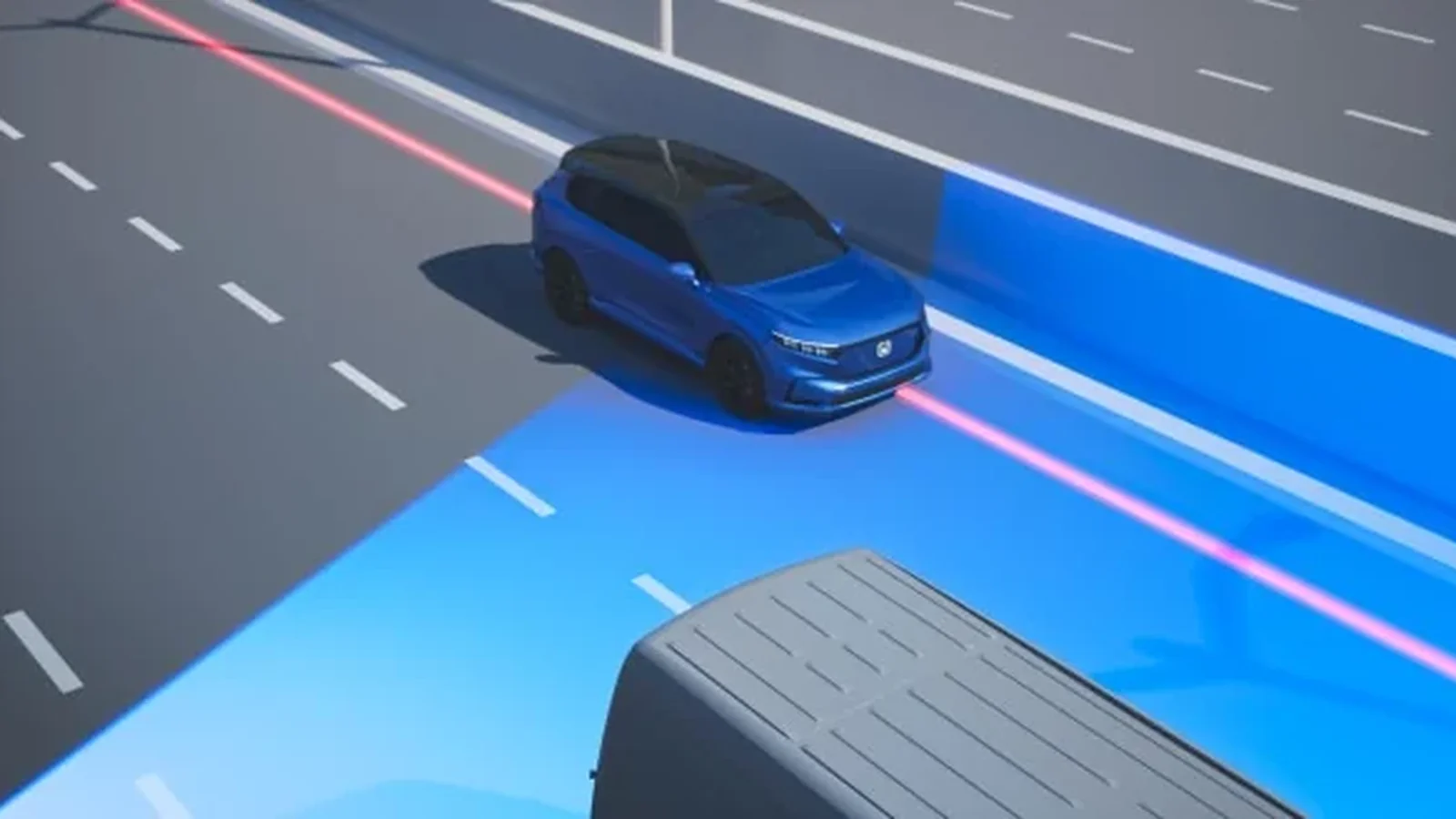
Photo: Honda Canada. 2026 Honda CR-V technology and Honda Sensing driver-assist suite.
For Honda, this is more than a good sales month. It reinforces the CR-V as one of the brand's most important vehicles. It also shows that Honda's hybrid strategy is working — hybrids were roughly 30% of Honda brand U.S. volume in the first half, and on the CR-V line the hybrid is now the majority of sales. As more shoppers look for fuel savings without going fully electric, hybrid SUVs like the CR-V are becoming especially attractive.
The Canadian angle: Honda builds CR-V and CR-V Hybrid models at Honda of Canada Manufacturing in Alliston, Ontario. Canadian specifications and availability are separate from American Honda's U.S. sales report, so buyers should confirm current Canadian trims and local inventory directly.
My prediction: When American Honda reports Q3 2026 sales, CR-V hybrid-electric models will remain at least half of U.S. CR-V volume year to date. This is a forecast, not a reported fact; it is anchored to the verified 55% first-half share.
My prediction: American Honda will report more than 240,000 U.S. CR-V hybrid-electric sales for full-year 2026. This is a forecast based on the verified first-half total of 124,017; seasonal demand or supply changes could make it wrong.
My prediction: CR-V hybrid-electric models will account for more than half of American Honda's U.S. CR-V sales again in the first half of 2027. This is the least certain forecast because product mix, production, incentives, and market demand can all change.
The bigger message is simple: the CR-V is winning because it matches real-life needs. It may not be the loudest vehicle in the market, and it may not chase attention the way some trucks and performance SUVs do. But for daily driving, family use, commuting, road trips, and long-term ownership, the CR-V makes a very strong case.
That is why this sales milestone matters. The Honda CR-V did not just pass two famous nameplates on a chart. It proved that smart, practical, efficient SUVs are now at the centre of the market.
If you're buying right now: use the U.S. sales result as evidence of broad CR-V and CR-V Hybrid demand, not as a promise about Vaughan inventory, Canadian pricing, delivery time, or future resale value. Ask me to verify the exact trim, colour, current offer, and availability before you make a decision.
Next step: if you're weighing the CR-V against its Toyota rival, my Toyota RAV4 vs Honda CR-V comparison walks through the two side by side.
Quick answers
How many Honda CR-Vs were sold in the U.S. in the first half of 2026?
American Honda's July 1, 2026 sales release reported 226,114 U.S. CR-V sales in the first half of 2026, up 6% from the same period in 2025. These are U.S.-market figures only and are not Honda Canada retail data.
Are most Honda CR-V sales now hybrids?
In the U.S., yes. American Honda reported a first-half record of 124,017 CR-V hybrid-electric sales in 2026, representing about 55% of U.S. CR-V volume. Canadian sales mix is reported separately, so confirm current Canadian trims and availability with your dealer.
Does the CR-V's U.S. sales record tell me anything about buying in Vaughan?
It shows broad demand for the CR-V and CR-V Hybrid, but it is not a promise about Vaughan inventory, Canadian pricing, delivery time or future resale value. Honda builds CR-V and CR-V Hybrid models at Honda of Canada Manufacturing in Alliston, Ontario, and current Canadian trims and local availability should be confirmed directly with a dealer.
Want to compare the CR-V and CR-V Hybrid?
I can verify today's Maple Honda inventory, current Honda Canada offers, and the exact differences between the available Canadian trims before you visit.
Ask Henry a question
Not ready to book anything? Just ask. Henry Chen answers every message himself — usually within a couple of hours during business hours. No call list, no pressure, and no obligation to buy anything.