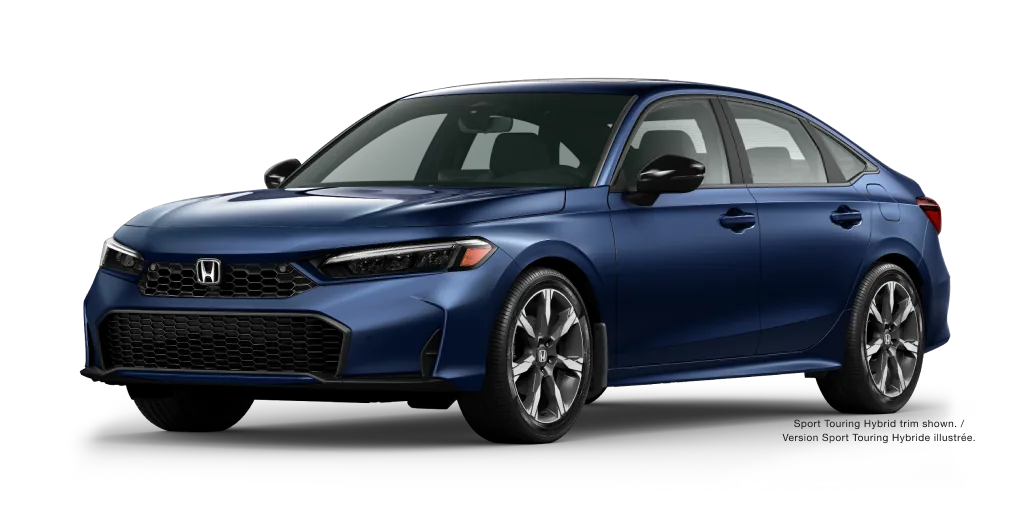
Image: Honda Canada. The Civic is Canada’s volume leader — the first model to feel pricing pressure when demand picks up.
TL;DR
- Canada's unemployment rate dropped to 6.6% — the economy added 88,000 jobs in the latest report
- Consumer confidence is rising, and car purchases are one of the first discretionary categories to move
- New vehicle sales volumes are set to climb as more households feel financially secure enough to commit
- When demand rises, manufacturers pull back incentives — the cash-back deals and low-rate offers don't survive a hot market
The Financial Post reported this week that Canada's unemployment rate dropped to 6.6% on the back of 88,000 jobs added to the economy. That's not a rounding error — that's a real signal. When employment rises at that pace, it doesn't stay in the abstract. It shows up in credit applications, trade-in decisions, and showroom traffic within 60 to 90 days.
I've been in this business long enough to know the sequence: jobs come back, consumer confidence follows, and then people who've been sitting on the fence about a new car finally make the move. We saw this pattern after the 2020 recovery and again after supply chains normalized in 2023. The mechanics don't change.
Why This Matters More Than the Headline Rate
A lot of people see 6.6% and think "that's still elevated." And in isolation, they're right. But the direction is what matters in a car market. Falling unemployment signals that the population of people who can finance a vehicle is actively growing. Lenders loosen. Monthly payment approvals go up. Households that were holding off on a $700/month commitment last year are running the numbers again this month.
The GTA tends to run ahead of the national recovery curve because of its density of professional employment. If the national figure is 6.6%, the GTA rate is likely meaningfully lower. Vaughan, in particular, sees a strong correlation between construction, trades, and professional services employment — all sectors that gained in this latest report.
The Incentive Math
This is the part most buyers miss. Manufacturer incentives — cash-back offers, below-prime financing rates, lease subventions — exist to move inventory in a soft market. Honda Canada and its competitors have been running competitive offers because demand has been uneven since 2024. But those programs are expensive, and automakers are not charities. When the market tightens, the programs retract. It's that simple.
We're not there yet. The 88,000-job number is the beginning of the recovery signal, not the end of it. But the direction is clear enough that I'd be surprised if Honda Canada's fall incentive book looks as generous as what's on the table today. Buyers who act in Q3 2026 are catching the sweet spot: confidence is back, supply is reasonable, and the deals haven't been pulled yet.
Henry's Predictions
These are falsifiable calls, dated today. I'll revisit them as the data comes in.
New vehicle retail sales volumes in Canada will show a measurable year-over-year increase through the summer. The jobs number gives buyers the confidence to act, and Q3 is already the strongest seasonal quarter for new car sales. Expect national sales figures to confirm the uptick by the August DesRosiers report.
Honda Canada will reduce or restructure its cash-back incentives on high-demand models — specifically the CR-V Hybrid and Civic lineup — as inventory turns faster and demand outpaces allocation. The rate-subvention programs on popular trims will be the first to go. Buyers who are waiting for a "better deal" in late 2026 will likely find the opposite.
Popular Honda models in the GTA will drift back toward MSRP pricing, with dealer markup returning on limited-allocation vehicles. As the broader economy normalizes and unemployment continues to fall, the discount culture of 2024–2025 fades. If you're watching the market and planning to buy, the best value window is right now — not next year.
What I'm Telling Customers This Week
If you've been pre-approved and sitting on a decision, this jobs report is the clearest signal I've seen in 18 months that the market is about to move against buyers. The combination of improving consumer confidence, rising demand, and the natural lag before incentives are pulled creates a narrow window. It's not panic — it's math.
The Civic Hybrid, CR-V Hybrid, and Pilot are all moving well right now, but we still have selection. That changes when summer traffic picks up and the economic confidence headlines keep coming. Call me before July if you want to lock something in at current terms.
Ask Henry a question
Not ready to book anything? Just ask. Henry Chen answers every message himself — usually within a couple of hours during business hours. No call list, no pressure, and no obligation to buy anything.