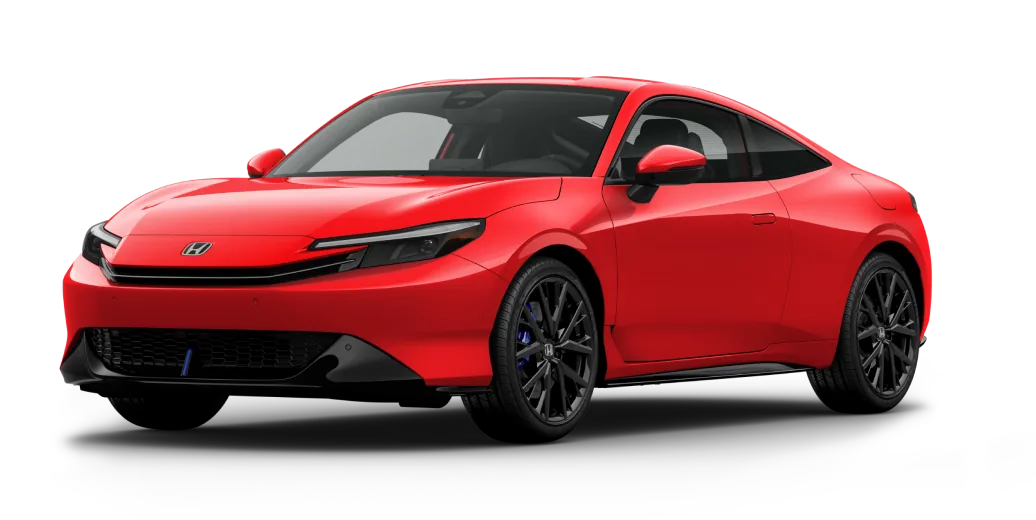
Photo: Honda Canada. The Prelude is the showroom expression of the engineering culture that just won the Indy 500 by 0.0233 seconds.
Felix Rosenqvist, driving for Meyer Shank Racing with Honda power, won the 110th Indianapolis 500 on May 24, 2026, by 0.0233 seconds over David Malukas (Team Penske, Chevrolet) — the closest margin of victory in the race’s history. The race featured a record 70 lead changes. It was Honda’s 17th Indianapolis 500 victory, and Rosenqvist’s first. IndyCar.com
What it means: The Indy 500 is Honda’s annual engineering showcase in North America. Sunday’s result wasn’t just a win — it was a win against Team Penske, arguably the most resourced operation in IndyCar, in the closest photo finish the race has ever produced, one day after Honda put Alex Palou on pole. You don’t win like that by accident. The timing matters for Honda Canada specifically. The narrative around Honda in 2026 has been dominated by the Ontario EV plant suspension and the broader pivot away from full electrification — stories that can read as retreat. An Indy 500 victory in the closest finish in history pushes back hard on that narrative. Honda’s motorsport program isn’t a side project; it’s where the engineers who tune the hybrid powertrains in your CR-V and Civic prove out technology under extreme conditions. The e:HEV system in the current CR-V Hybrid shares design philosophy — specifically the motor-assist under load and the seamless power delivery — with the philosophy that builds IndyCar engines. That’s not marketing copy; it’s how Honda actually structures its engineering programs. There’s also a practical angle: Honda’s Canadian marketing budget typically tracks major racing wins. A 17th Indy 500 victory, tied to Alliston-built models, is the kind of result that shows up in fall advertising.
My prediction: Honda Canada will use the 2026 Indy 500 win in a Canadian marketing campaign by September 2026, anchored to the CR-V Hybrid and the Prelude — positioning the race result as evidence that Honda’s performance engineering is intact and accelerating, not retreating. The specific hook will be the record-close margin: 0.0233 seconds as a reference to Honda precision. This is the strongest Indy marketing platform Honda has had in Canada in at least five years, and there is no scenario in which the marketing team leaves it unused.
If you’re buying right now: There’s no direct purchase implication from a race result. But if you’ve been hearing that Honda is “retreating from performance” because of the EV pivot, Sunday’s result is a data point in the other direction. The same engineering culture that wins Indy 500s by 0.0233 seconds is the one behind the hybrid system in the CR-V you’re considering.
Honda’s engineering track record runs from Indy to your driveway
If you’re curious about what the CR-V Hybrid or Prelude actually drives like — not just the specs — I’m happy to walk through it with you. No pressure, just an honest conversation.