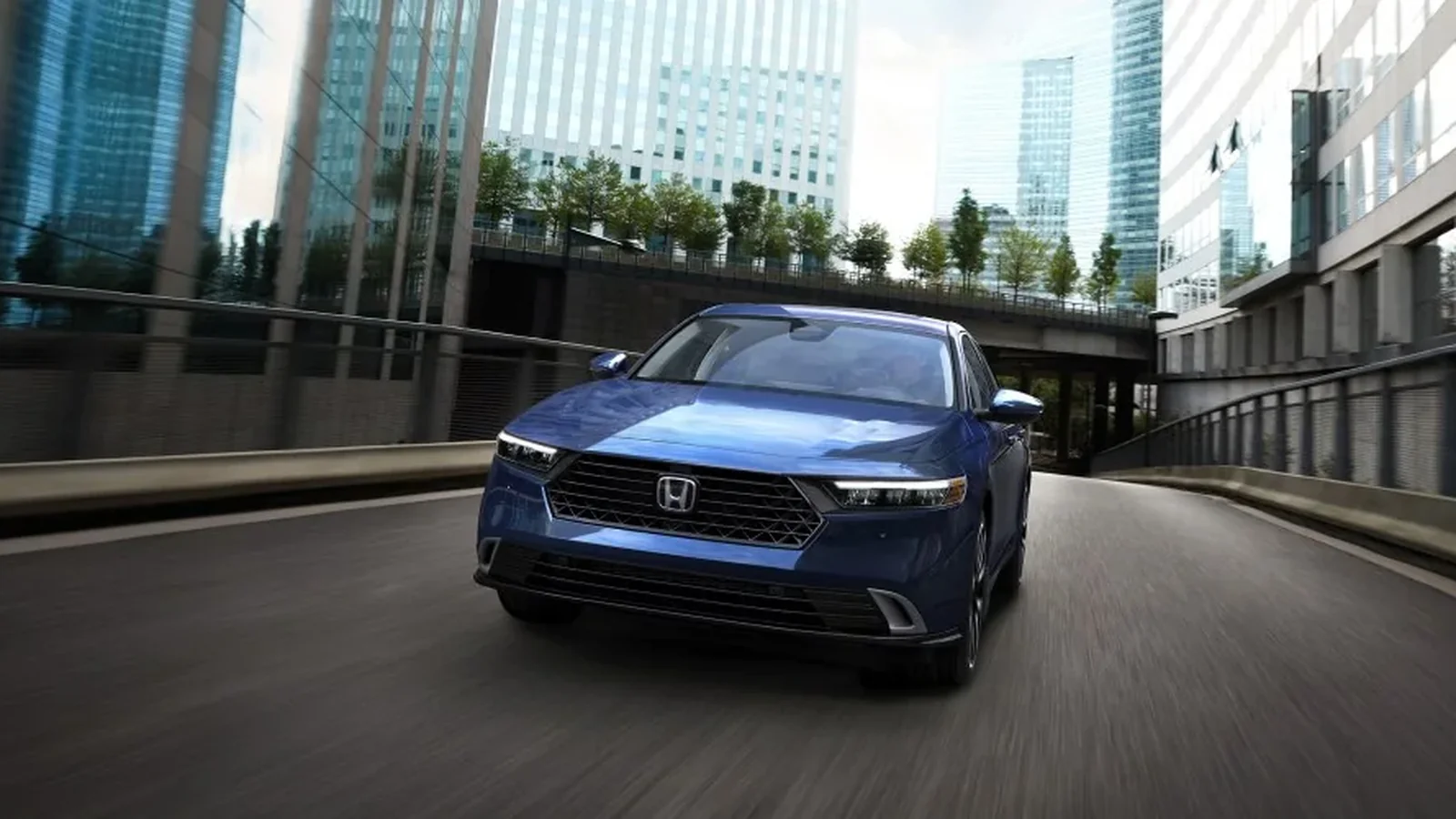
Photo: Honda (Honda Canada Newsroom, June 9, 2026 release). The 11th-generation Accord in 2025 trim — the one I have on the lot right now.
Honda Canada Newsroom (hondanews.ca) published the 50th-anniversary press release on June 9, 2026, with one official photo per generation from the 1976 launch through the 2025 model. That release is the source for every archival generation photo in this piece. Honda Canada Newsroom
Why I bothered lining up all eleven
I had two reasons. First, the photo assets Honda Canada sent out are unusually clean — one factory shot per generation, no marketing puffery in the captions — which is rare in this industry. Second, after working the Accord lot for a few years, you stop seeing each generation in isolation and start seeing the line. The things Honda changed between 1976 and today are the same things that make shoppers in 2026 consider or skip the car: size, horsepower count, fuel cost, screen size, and door count.
This is not the news brief from yesterday — that is the 15-million-United-States-sales milestone with a data angle. This is a slower walk through eleven cars and the parts of the story that do not fit in a sales chart.
The photo set
Each generation, briefly
1st generation (1976 to 1981)
The original was a three-door hatchback powered by Honda's CVCC engine. It was small by today's standards, light on amenities, and the beginning of a long argument the company kept winning: a car that was unremarkable except for how reliably it did the boring things well.
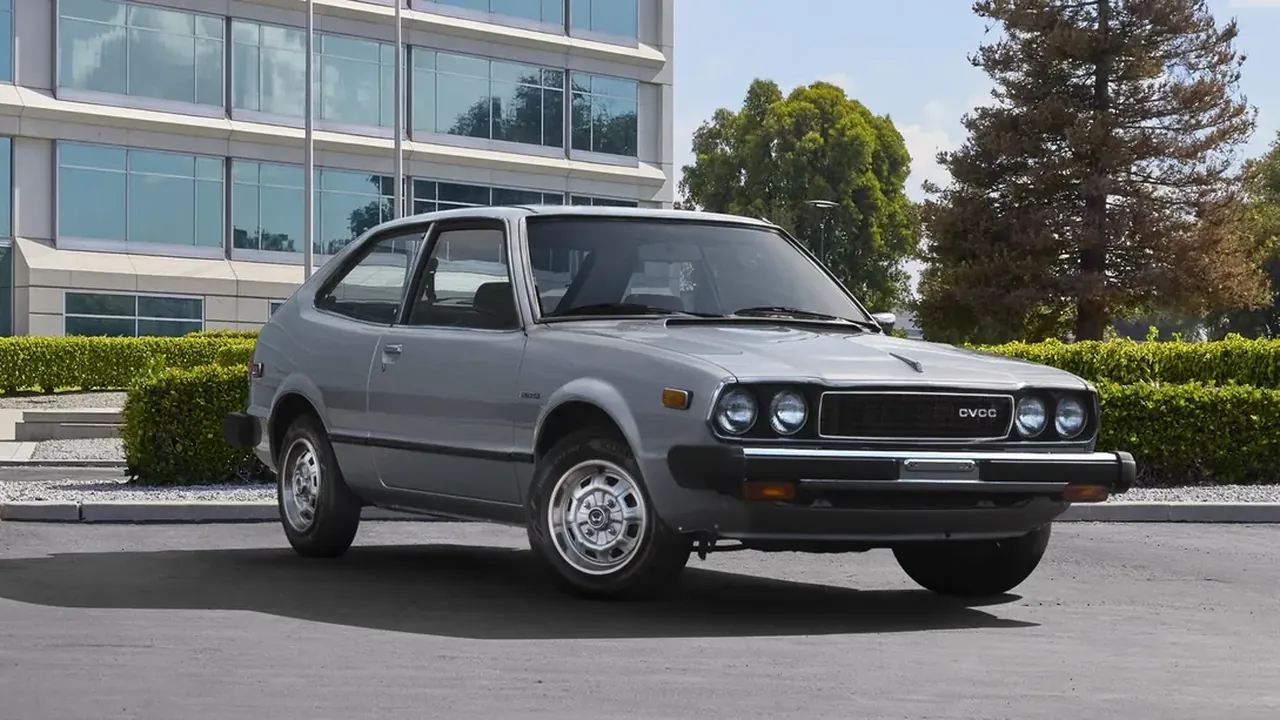
Photo: Honda (Honda Canada Newsroom).
2nd generation (1981 to 1985)
First sedan body. This is the generation where the Accord started looking like the car people in their forties still remember fondly.
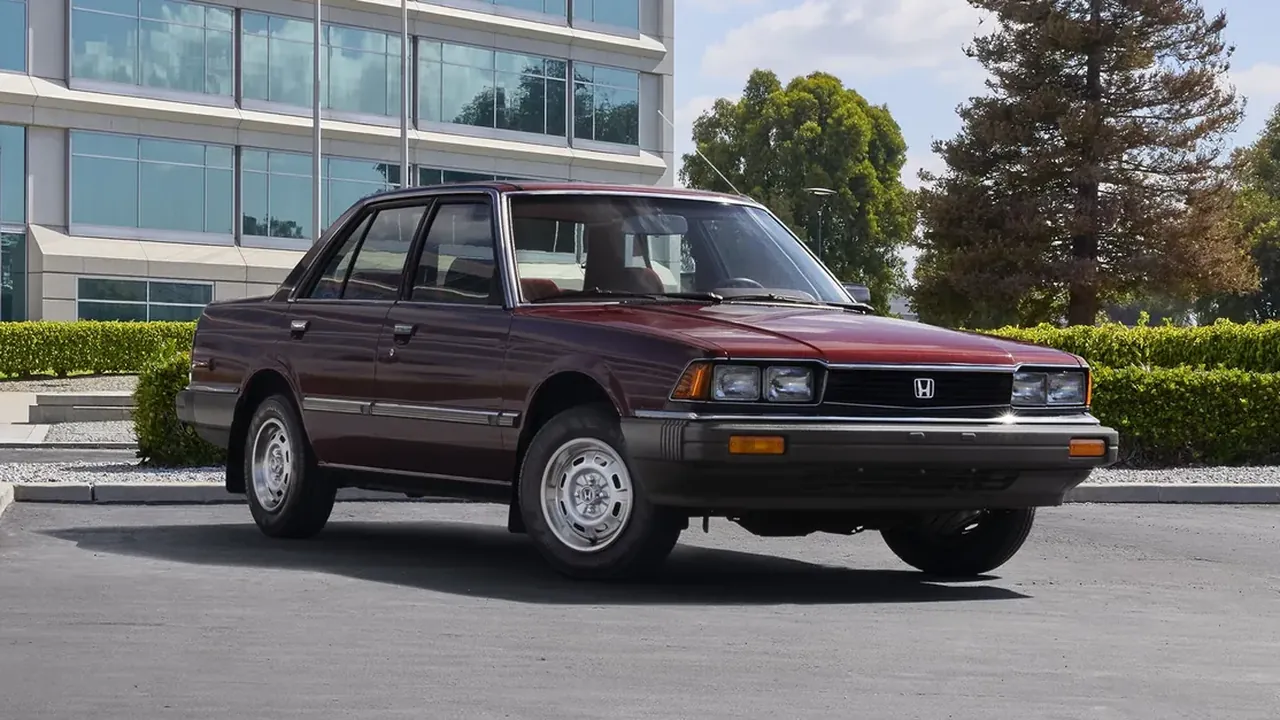
Photo: Honda (Honda Canada Newsroom).
3rd generation (1985 to 1989)
Sleeker shape, the first Accord to crack into the U.S. top-three sales charts. The Honda Canada Mfg. press photo marks this as the era when Alliston started up.
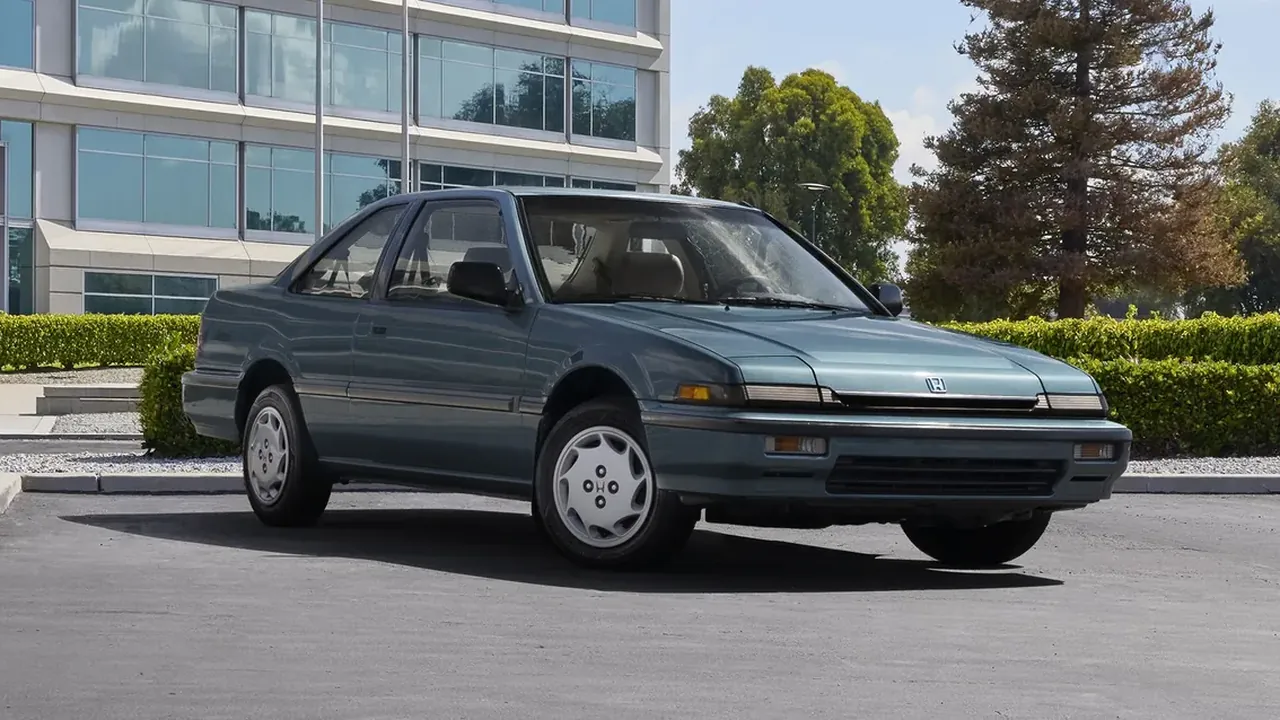
Photo: Honda (Honda Canada Newsroom).
4th generation (1990 to 1993)
The Accord grew up here. Heavier, more isolated, a genuine step up in refinement over the model it replaced. This is the generation suburban families bought as their "nice car."
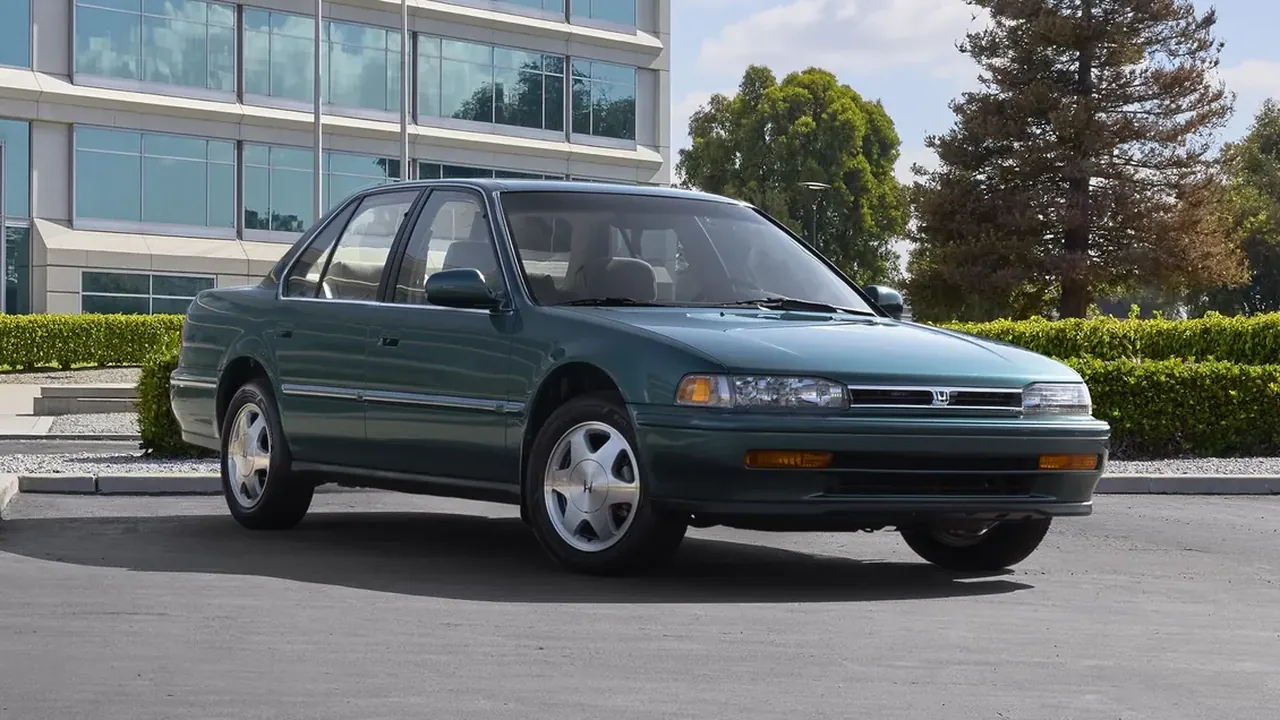
Photo: Honda (Honda Canada Newsroom).
5th generation (1994 to 1997)
Honda's first major redesign into a more rounded, aero shape. Also the first generation built in larger numbers at Alliston's Plant 1 alongside Civic. The Honda Canada News 50th-anniversary release marks this as the moment "Honda of Canada Mfg." shows up more visibly in the line.
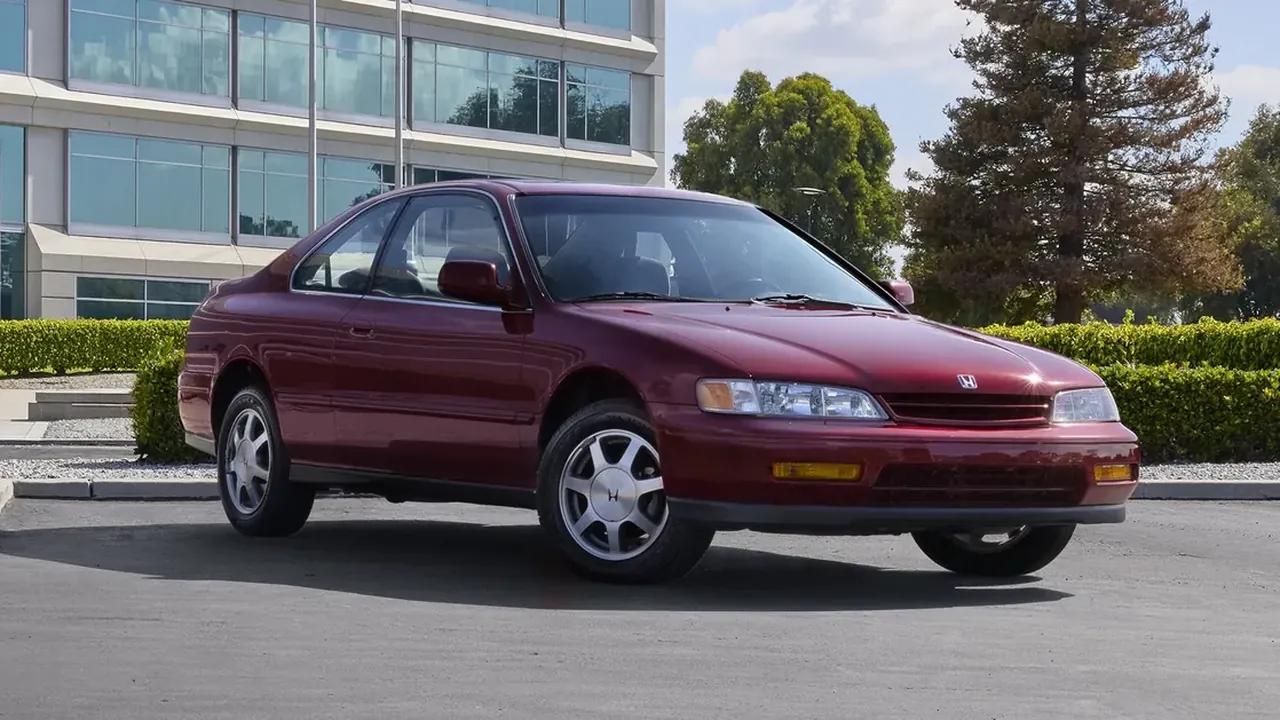
Photo: Honda (Honda Canada Newsroom).
6th generation (1998 to 2002)
The generation that went wider and lower — the silhouette that film crews in the late 90s used to mean "reliable middle-class couple."
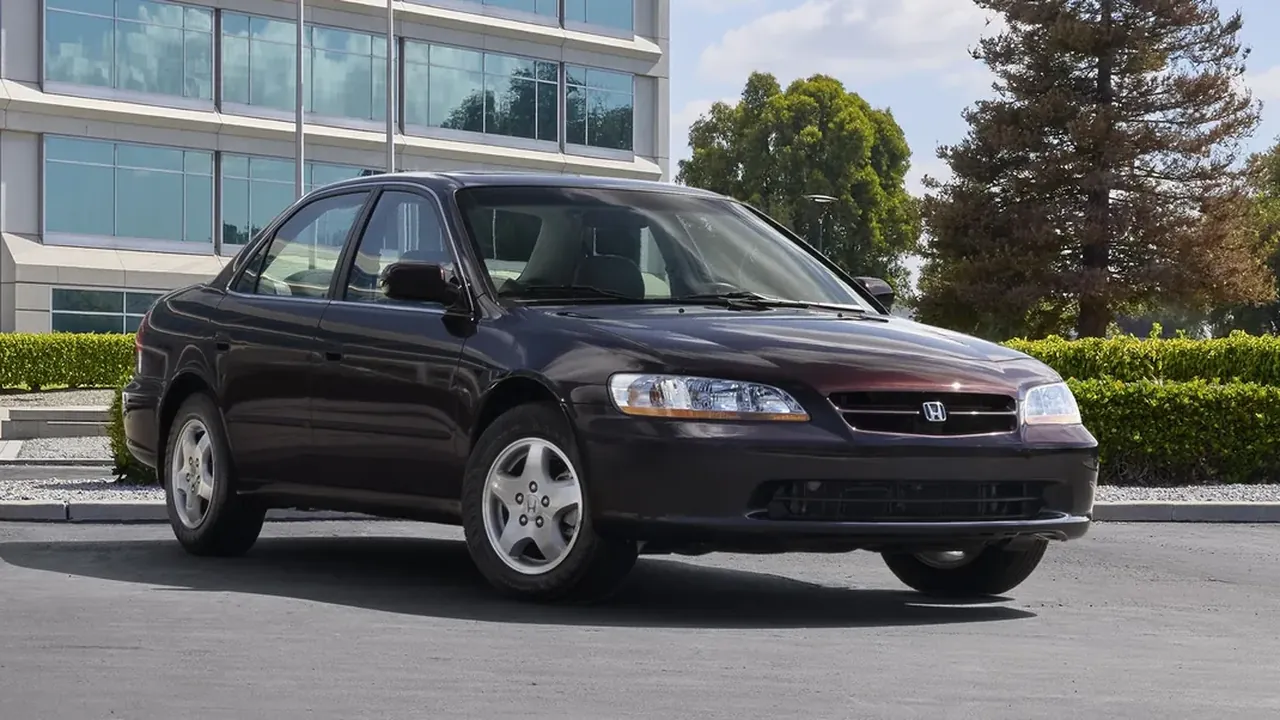
Photo: Honda (Honda Canada Newsroom).
7th generation (2003 to 2007)
The Accord Coupe became a real enthusiast car in this generation. The Canadian lineup started pulling slightly toward the U.S. spec because of currency shifts, which is when I first noticed dealers in Vaughan stocking more V6 Coupes than they had before.
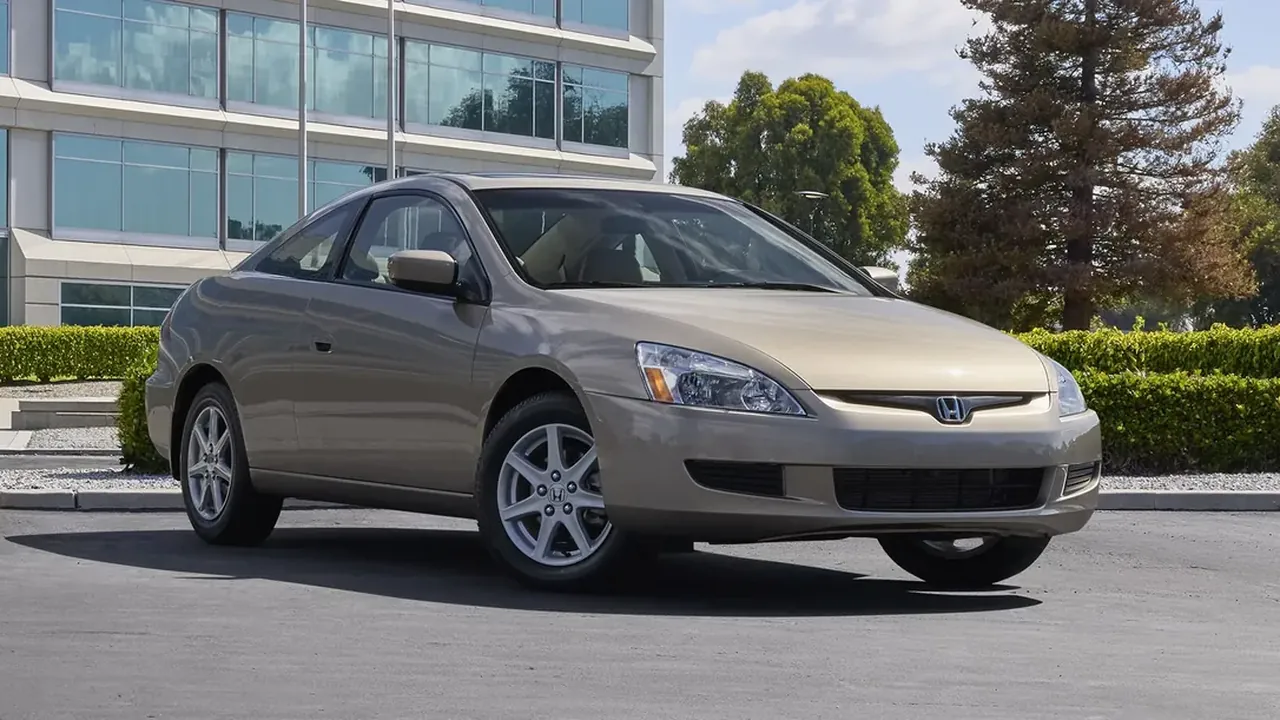
Photo: Honda (Honda Canada Newsroom).
8th generation (2008 to 2012)
The financial-crisis Accord: lighter, more efficient, the generation that buried the V6 in favour of a 2.4L four. From here on, fuel economy replaced horsepower as the headline number.
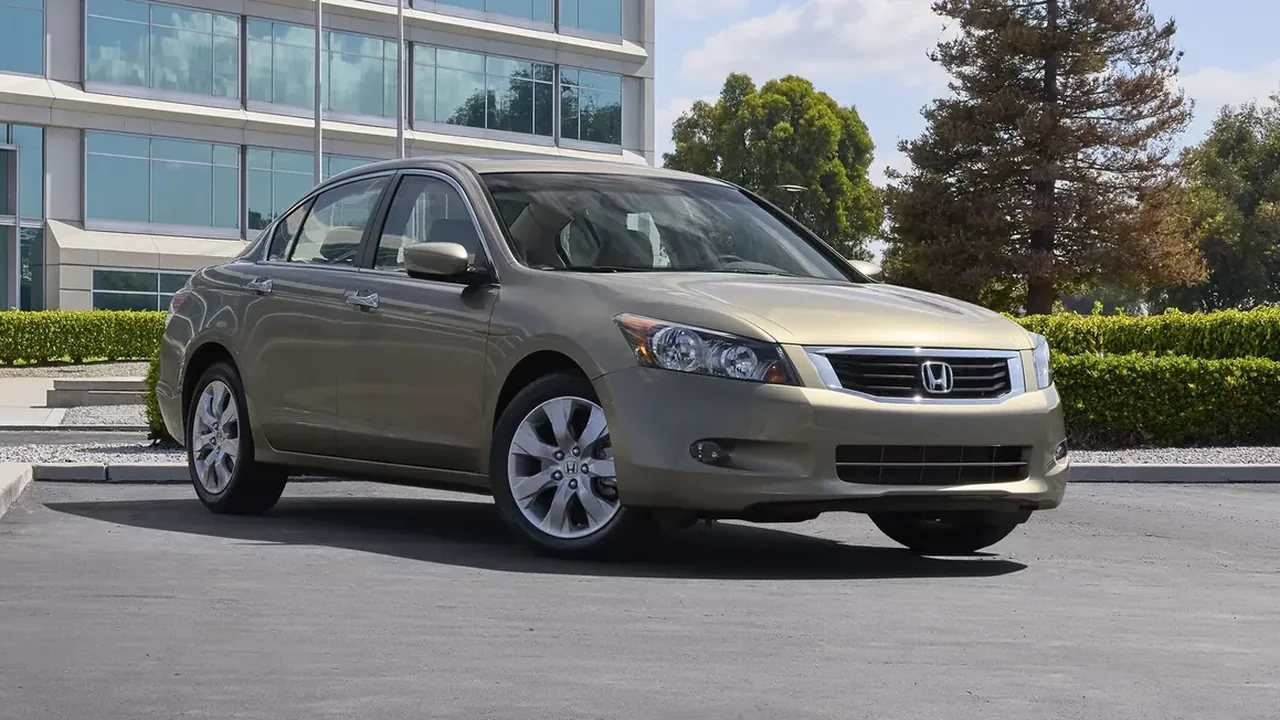
Photo: Honda (Honda Canada Newsroom).
9th generation (2013 to 2017)
Honda Sensing landed across the lineup by the end of this cycle. CVT became the only transmission. The Accord started looking less like a value play and more like a tech play.
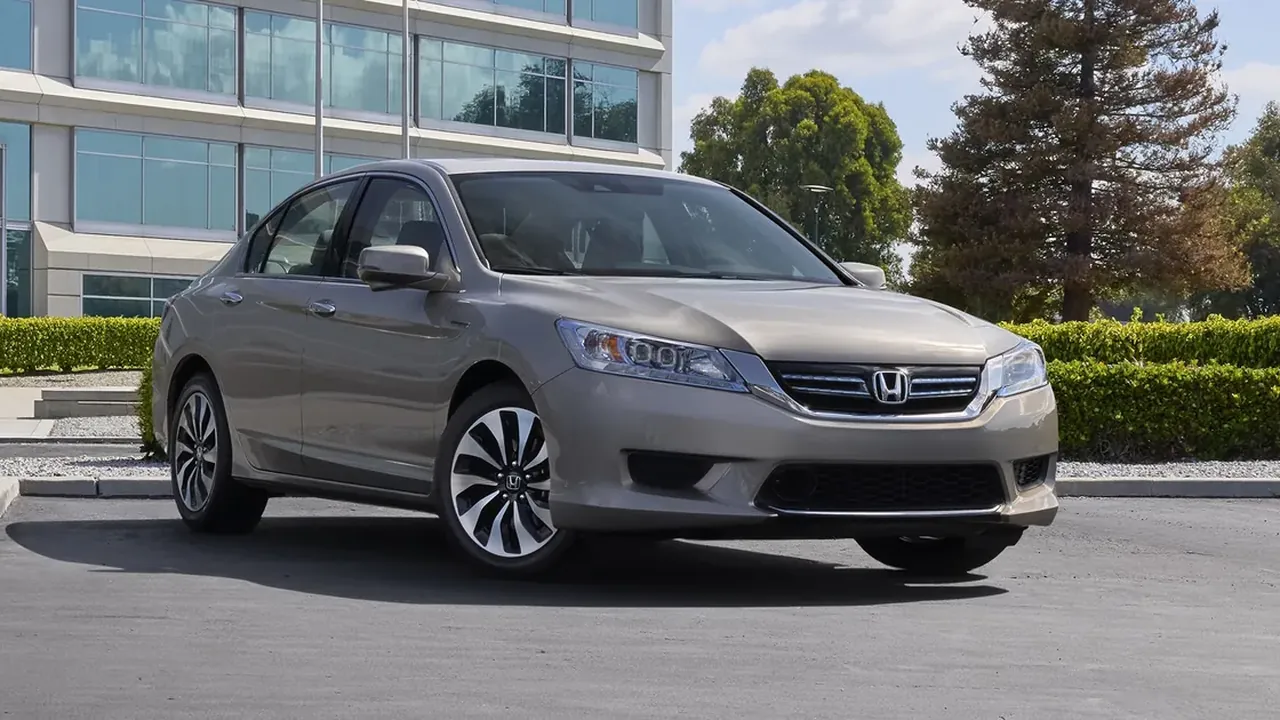
Photo: Honda (Honda Canada Newsroom).
10th generation (2018 to 2022)
The Accord moved to a 1.5L turbo and a 2.0L hybrid-only setup for the Sport and above. Inside, it picked up a tablet-style screen and went digital-first on the cluster.
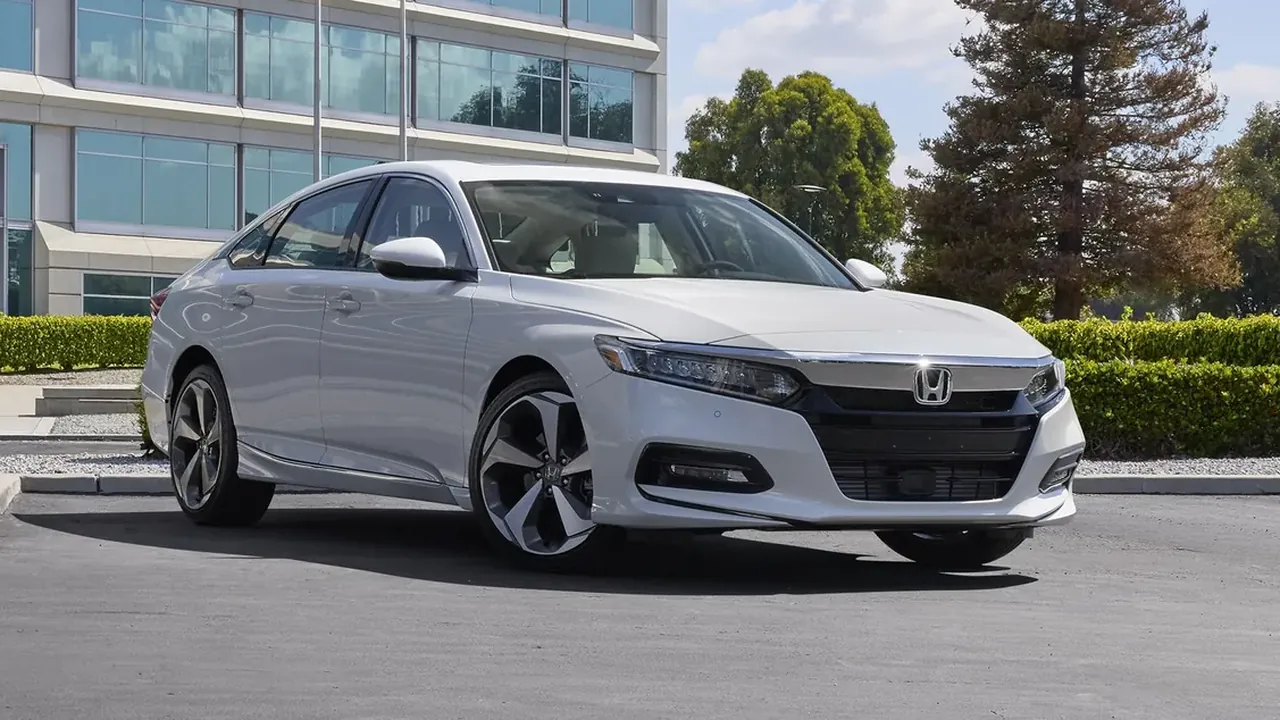
Photo: Honda (Honda Canada Newsroom).
11th generation (2023 to present)
The current car. Gas 1.5L turbo on the SE trim, two-motor hybrid on Sport-L Hybrid and Touring Hybrid, FWD only, e-CVT on the hybrids, CVT on the gas. The wagon-and-sedan silhouette is gone; coupe is gone; only sedan remains. Honda Canada's 50th-anniversary press release includes a quote and portrait of Emile Korkor, Honda Canada's Assistant Vice President of Sales & Marketing, marking the anniversary — alongside archival photos, including the first Accord built in Canada in 1987.
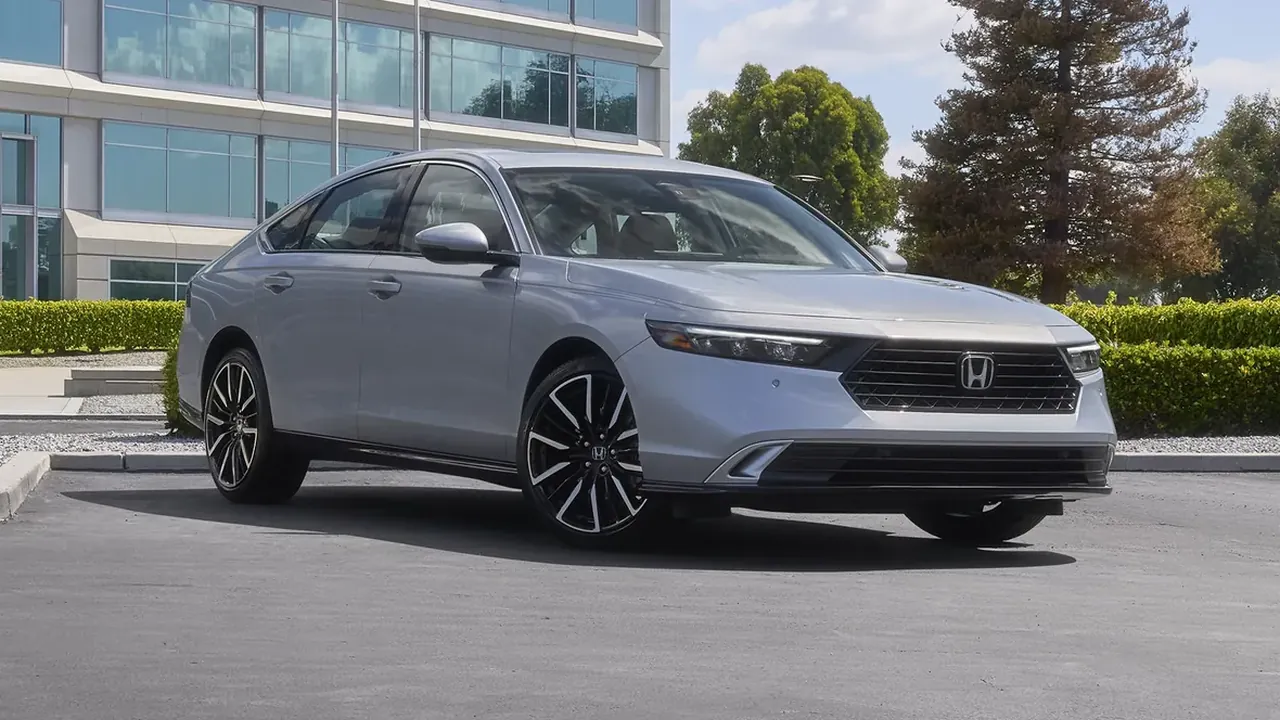
Photo: Honda (Honda Canada Newsroom).
The Alliston angle (briefly)
The Honda Canada News 50th-anniversary press release includes a portrait of Emile Korkor, Honda Canada's assistant VP, alongside a photo of the first Honda Accord built in Canada in 1987. That car came out of the same Honda of Canada Manufacturing (HCM) plant in Alliston, Ontario, that still builds Honda Civics today.
Today's 11th-generation Accord is not built at Alliston — it is confirm build origin on honda.ca or the window sticker for the specific unit (not Alliston-built). Accord is not on HCM Alliston's Plant 1 (Civic) or Plant 2 (CR-V) product list. The 1987 "first Accord built in Canada" was a different production arrangement than what runs today. Honda of Canada Mfg. plant products
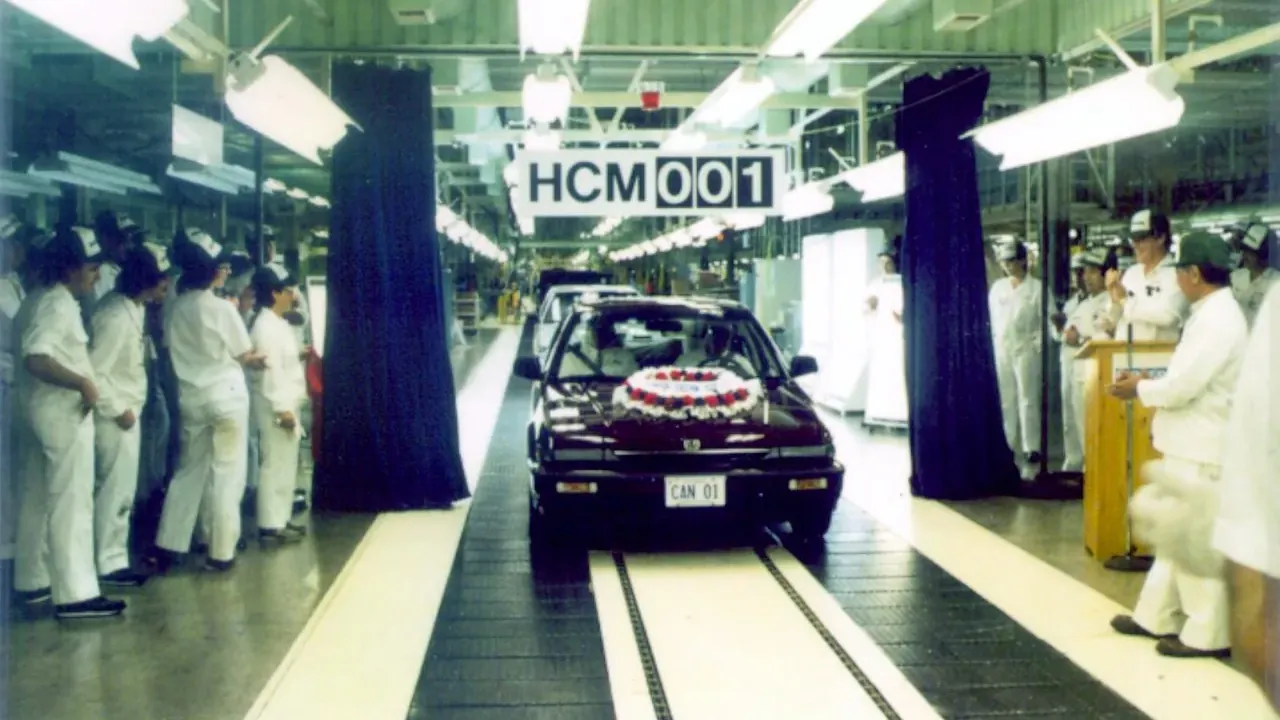
Photo: Honda (Honda Canada Newsroom, 50th-anniversary composite).
The takeaway for a GTA buyer: the Accord's history is global, but the early Canadian chapter is worth knowing when dealers in Vaughan talk about the Alliston connection. Civic has been continuously built there since 1986; Accord has been an import story for the modern era. That is not a knock on the Accord — it is just the supply shape.
What to actually take from this
If you walked through all eleven photos and the bullet points above, the line is short: the Accord has been repeatedly rebuilt to keep doing the same job at lower operating cost with newer tech. It has not tried to be a luxury car (Lexus does that), a sport sedan (Civic Si does that), or an SUV (CR-V does that).
For a Vaughan sedan shopper right now, that means the 2026 Accord lineup is doing the same thing it has done since 1976: present a sensible tool with two or three trims that are easy to compare. The current 3-trim lineup in Canada — SE gas, Sport-L Hybrid, Touring Hybrid — is the same logic on a modern platform.
My prediction: By October 1, 2026, Honda Canada will have confirmed continued 12th-generation Accord development in some form (hybrid continuation, EV variant, or both), with Alliston being one of the named sites in the announcement — based on the cadence of past announcements and the fact that Alliston is still investing in Plant 1.
My bolder prediction: By July 1, 2027, the trim walk on the 2027 Accord will include either an EV variant or a nameplate refresh that explicitly ties to the 50th anniversary marketing — Honda has used anniversary years to launch special editions before.
Want to drive the current 11th-gen?
I have the 2026 Accord SE (gas), Sport-L Hybrid, and Touring Hybrid on the lot right now. If you want to see the full photo line above in person — including how the liftback silhouette faded out — book a test drive or send me a text.
Ask Henry a question
Not ready to book anything? Just ask. Henry Chen answers every message himself — usually within a couple of hours during business hours. No call list, no pressure, and no obligation to buy anything.