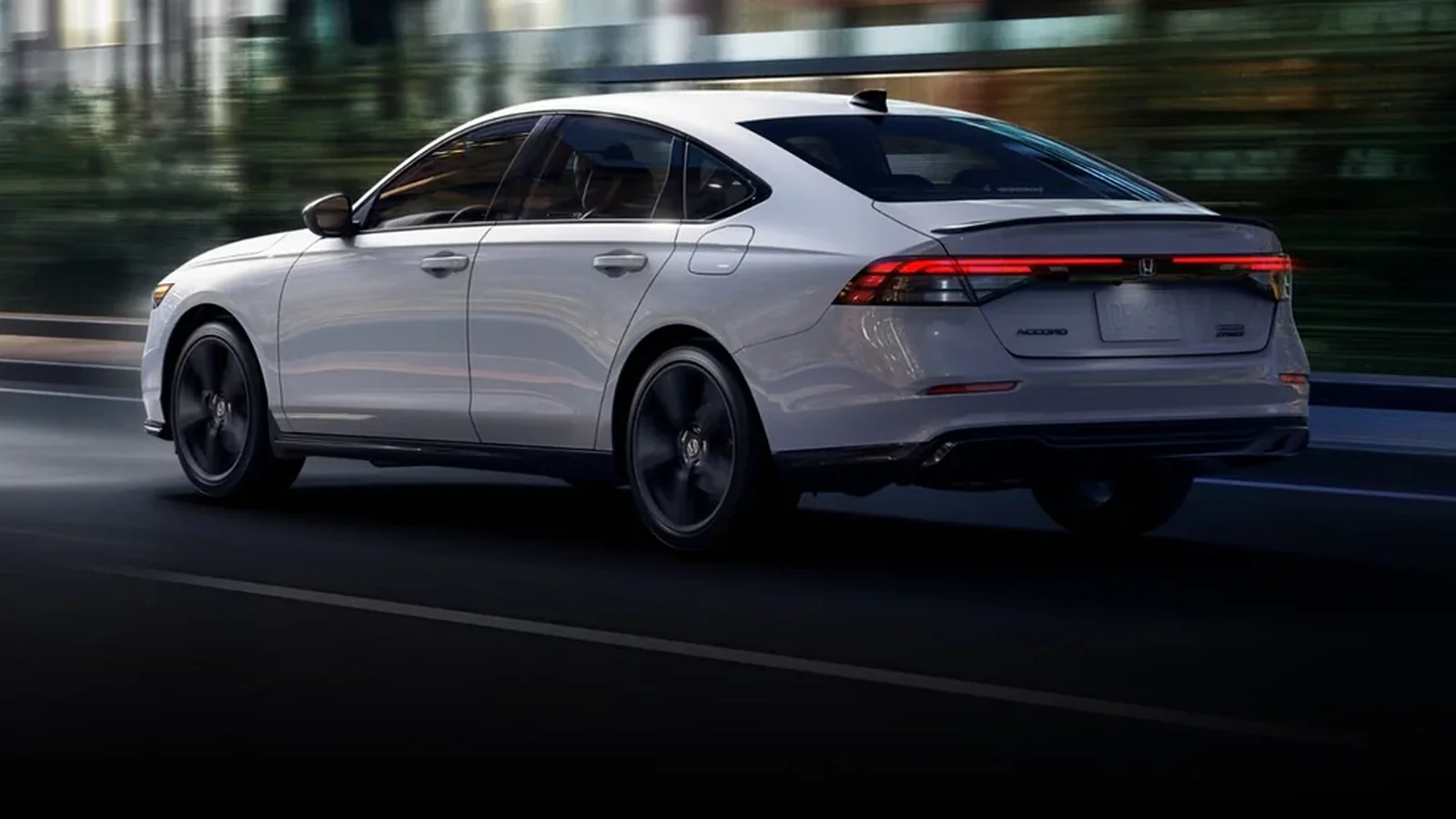
Photo: Honda Canada. 2026 Honda Accord design and key features.
Many people assume expensive vehicles should automatically hold value better. On the used market, that's often not how it works. A luxury vehicle can lose value quickly even when it still looks beautiful, feels premium, and originally cost far more than a mainstream alternative.
The reason is simple. The first buyer is paying for emotion. The used buyer is calculating risk.
That's the whole shift. A new luxury vehicle sells status, identity, design, and the newest experience. A used luxury vehicle makes buyers ask what happens when the screen fails, the suspension acts up, or the warranty ends.
Why the used-luxury buyer’s mindset changes so fast
When a luxury vehicle is new, the appeal is obvious. Premium materials. Stronger performance. More dramatic interiors. More technology. A certain social signal. That's what the first buyer is paying for.
But once the same vehicle becomes used, the buyer's questions change:
- How much will repairs cost if something electronic fails?
- How much warranty is left?
- Do I need premium tires, premium fuel, premium brakes, premium labour rates?
- Will this feel like a bargain, or like a trap with a nicer badge?
That fear reduces demand, and lower demand pushes resale down.
Why luxury cars can feel less reliable than their price suggests
Luxury vehicles aren't always badly made. But they're usually more complex. More sensors. More electronics. More comfort systems. More performance hardware. More things that can fail, and more things that cost real money when they do.
Mainstream brands like Honda are usually engineered with a different hierarchy: reliability, ownership cost, practical packaging, efficiency, and everyday usability. Luxury brands often put more emphasis on performance, prestige, comfort, innovation, and the emotional experience of ownership.
That difference matters most after warranty.
Why used luxury can look cheap and still be expensive
A luxury SUV that used to cost $90,000 might suddenly look affordable at $38,000 or $42,000. Buyers get excited because the purchase price feels like a discount. But the maintenance ecosystem is still built around the original price point.
- Tires are still expensive.
- Brakes are still expensive.
- Insurance can still be higher.
- Specialized diagnostics and labour are still not mainstream-car cheap.
- Performance parts and premium systems still fail at premium prices.
That's why the resale number drops faster than the ownership risk. Depreciation moves one direction. Repair economics don't always follow.
Why Honda buyers often stay on the practical side
This is also why used Honda demand stays so healthy. Used buyers love trust. They want a vehicle that still makes sense when the novelty is gone. Honda usually appeals to that buyer because the practical value lasts longer than the emotional high.
A used Honda may not feel as dramatic in the first five minutes as a used luxury car. But buyers who care about long-term cost, reliability, resale, and low-stress ownership often prefer the mainstream vehicle that feels easier to trust.
Luxury isn’t wrong. It’s just a different game.
None of this means luxury vehicles are bad. They can be quiet, powerful, beautiful, and genuinely enjoyable. For the right buyer, they make perfect sense. But the smartest time to enjoy many luxury vehicles is often during the warranty period, when the experience is still protected.
After that, the market gets colder. The used buyer isn't paying for prestige the same way the first buyer did. They're discounting uncertainty.
Final thought
If you're choosing between a used luxury vehicle and a used Honda, the real question isn't which badge looks more impressive. It's which ownership story you actually want to live with.
The luxury badge can still feel special every morning. Honda is often the answer for buyers who want fewer expensive surprises every year.
Common questions
Why do luxury cars lose resale value so quickly?
Because the first buyer pays for emotion, prestige, and the newest experience, while the used buyer starts calculating repair risk, maintenance cost, warranty exposure, and long-term ownership uncertainty.
Are luxury cars less reliable than mainstream brands like Honda?
Not always, but luxury vehicles usually carry more complexity. More electronics, suspension systems, performance hardware, and premium features create more potential failure points and more expensive repairs when something does go wrong.
Why can a used luxury SUV look cheap but still be expensive to own?
Because depreciation lowers the purchase price much faster than ownership cost. Tires, brakes, insurance, diagnostics, premium fuel, modules, and labor rates often stay aligned with the vehicle's original luxury price point.
Why do many used-Honda buyers stay on the practical side of the market?
Because buyers who care about long-term value usually trust mainstream brands with stronger reputations for reliability, resale value, and lower-stress ownership. Honda fits that psychology very well.
Thinking about a used luxury vehicle versus a used Honda?
Tell me the exact model, year, and kilometres you are comparing. I will help you look at the ownership story, not just the badge and the payment.
Ask Henry a question
Not ready to book anything? Just ask. Henry Chen answers every message himself — usually within a couple of hours during business hours. No call list, no pressure, and no obligation to buy anything.