If you want a cleaner appraisal and fewer surprises, this is the shortlist to handle before you come in. It takes about 30 minutes, and it helps you avoid the easy mistakes that make trade-ins feel messier than they need to.
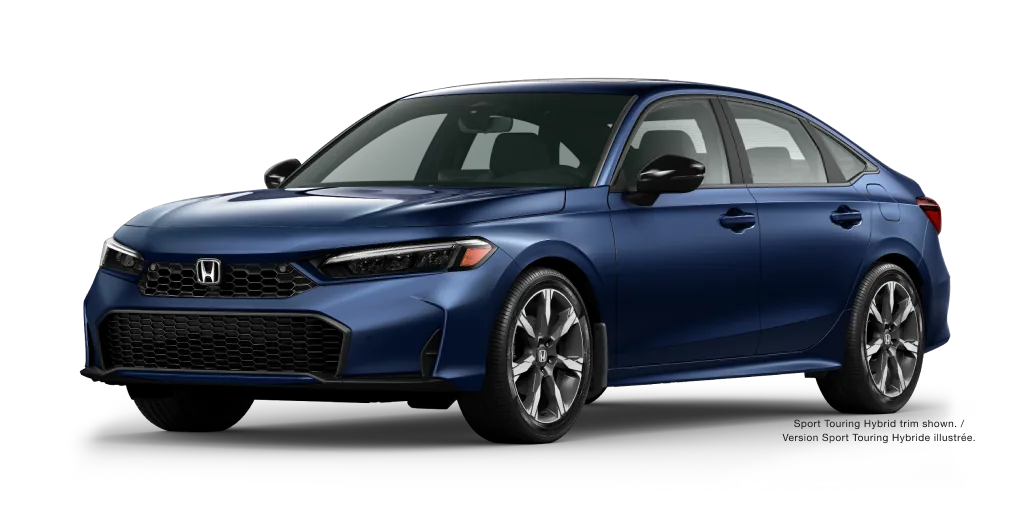
Photo: Honda Canada. Civic is the most-frequent trade-in vehicle Vaughan customers prep before appraisal.
Trade-in value is not magic. It usually comes down to vehicle condition, history, demand, and whether the paperwork side is organized. Most people do not need to obsess over tiny cosmetic things. They just need to show up prepared.
Refreshed October 19, 2026 — Maple Honda, 89 Auto Vaughan Drive.
What this checklist actually helps with
A trade appraisal is not just someone glancing at the odometer and throwing out a number. The dealer is trying to understand risk, reconditioning cost, marketability, and how easy the vehicle will be to resell. Your job is not to make the vehicle look brand new. Your job is to reduce confusion.
That means bringing the right documents, making the inspection easy, and understanding what changes value most. When those three pieces are handled, the process usually moves faster and feels more transparent.
Ask Henry a question
Not ready to book anything? Just ask. Henry Chen answers every message himself — usually within a couple of hours during business hours. No call list, no pressure, and no obligation to buy anything.
1. Documents to bring
Driver's license
Ownership or registration
Loan payout details if the vehicle is financed
Service records if you have them
Both key fobs if both still exist
If you are missing one of these, it does not always kill the process. It just slows it down or makes the numbers less clean.
2. Quick vehicle prep
Remove personal items from the cabin and trunk
Give it a quick wash and vacuum
Top up washer fluid and replace simple burnt bulbs
Bring wheel lock keys if you have them
This is not about disguising the condition. It is about making inspection easier and removing avoidable friction.
3. What affects value most
Overall interior and exterior condition
Kilometres relative to age
Accident history and claim severity
Maintenance history and warning lights
Trim desirability and local market demand
A clean history and strong maintenance story matter more than trying to polish away normal wear.
4. If you still owe money
Bring the approximate payout or lender details if you can. The key question is whether your trade value is above the payout, close to it, or below it.
That difference changes the structure of the next deal. It is better to know that early than to find out at the very end.
5. What not to overthink
Small, normal wear items on an older vehicle
Trying to hide damage instead of being upfront
Spending too much fixing things the market will not repay
Assuming one online estimate is the exact value
Some repairs help. Some do not. If you are unsure, ask before spending money.
6. What a same-day visit usually looks like
We inspect the vehicle, review the history and current condition, compare the value against your next-step options, and explain how the trade changes your lease, finance, or cash purchase structure.
The smoother the prep, the less time gets wasted on avoidable backtracking.
Best shortcut: text your year, model, trim, kilometres, and a few photos to 647-523-6878 before you visit. That will not replace an in-person appraisal, but it usually gives you a useful range and sets expectations early.
The honest rule of thumb
If your car is clean, reasonably maintained, and the paperwork side is easy, the trade process is usually straightforward. If the condition is rough or the payoff is unclear, that does not mean do not come in. It just means the conversation needs to be more realistic.
The point of a checklist like this is not to promise a number. It is to make sure the number you get is based on a clean look at the vehicle instead of missing info and avoidable noise.
Want a practical trade-in range before you drive in?
Send the basics and I will help you understand the realistic range, how it affects your next deal, and which step makes sense next.