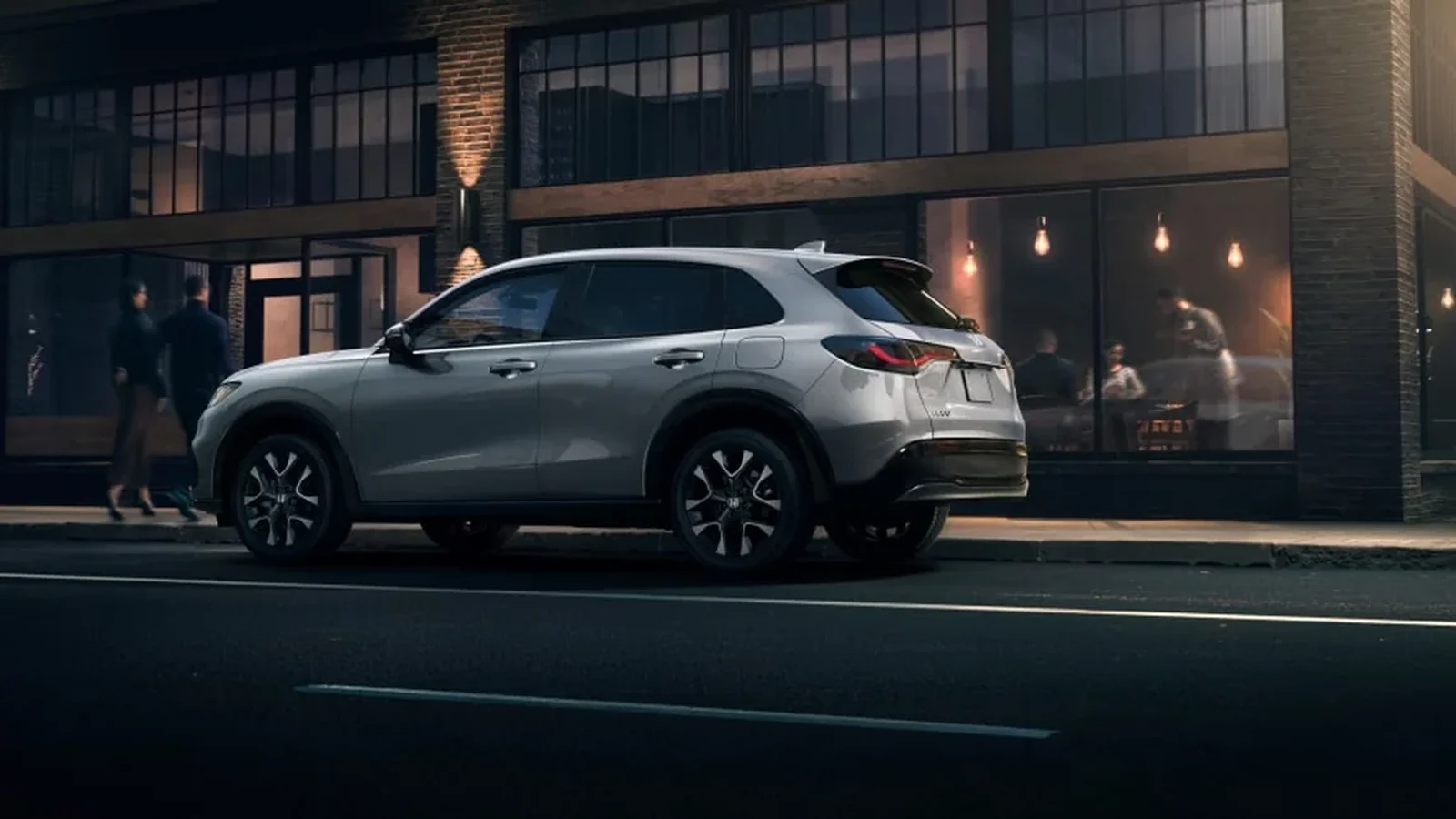
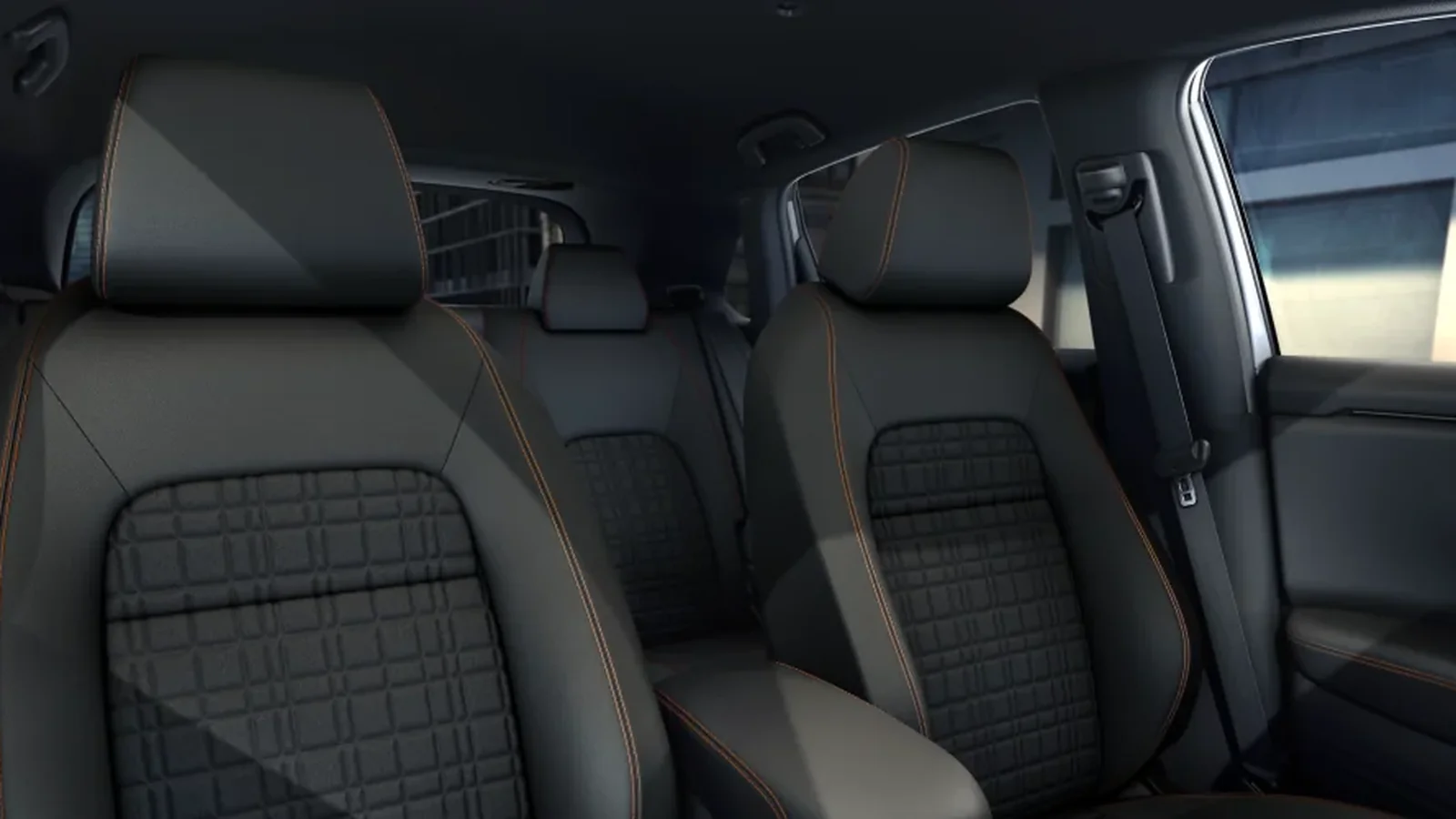
There's a pattern I see all the time: a Vaughan buyer decides they need an SUV, starts at the CR-V because it's the famous one, and only later realizes the bigger vehicle is more than their daily life actually calls for. That's where the Honda HR-V starts to make sense.
The HR-V isn't the "cheap compromise" Honda. It's the right-size answer for a lot of people who want a higher seating position, available all-wheel drive, cargo flexibility, and easier city driving without stepping into more vehicle than they need.
Honda Canada lists the 2027 HR-V at up to 1,559 litres of cargo space with the rear seats down, with combined fuel consumption as low as 8.3 L/100 km in FWD form and 8.7 L/100 km with Real Time AWD. For comparison, Honda Canada's 2026 CR-V specifications list up to 2,166 litres of rear cargo space in gas trims. See the official 2027 HR-V overview and 2026 CR-V specifications.
Why the HR-V fits Vaughan life better than people expect
If your week is mostly condo or townhouse parking, Vaughan Mills traffic, grocery runs, gym bags, work commutes, one or two passengers in back, and the occasional Costco run, the HR-V is already in the sweet spot.
- It’s easier to place. Tight underground parking and older garages matter more in real life than brochure bragging rights. The 2026 Honda HR-V is 179.8 inches (4,568 mm) long versus 184.8 inches (4,694 mm) for the 2026 Honda Civic Sedan, so it’s actually shorter than a Civic.
- It still carries a lot. Fold the rear seats and you have serious room for luggage, boxes, sports gear and weekend shopping.
- It still gives you SUV posture. You sit higher than in a Civic, get the hatch, and can spec available AWD if winter confidence matters to you.
- It avoids the “more car than I need” problem. Bigger vehicles are great when you use the space often. They’re wasteful when you only need that extra room three weekends a year.
Who should look at the HR-V first
I usually point the HR-V at buyers in four buckets:
- First-time SUV buyers moving out of a Civic, Corolla or Mazda3 and wanting a more upright drive.
- Young couples who don’t need a three-row vehicle or a large family hauler yet.
- Empty nesters who want easy entry and hatch utility but don’t want to park a larger SUV forever.
- Condo and townhouse owners who care about maneuverability every single day.
In those situations, the HR-V usually feels more natural than a bigger SUV after the first ten minutes behind the wheel. It's the kind of vehicle that makes sense more often than it tries to impress.
When the CR-V is still the better call
This is where honesty matters: the CR-V is still the better answer for plenty of households. If you know you're regularly hauling two rear-facing child seats, a full-size stroller, a dog crate, hockey bags, or cottage-weekend gear, the extra room isn't theoretical. You'll use it every week.
My rule of thumb: if your cargo or rear-seat question shows up once a month, the HR-V can probably handle it. If it shows up every weekend, stop trying to save the difference and move to the CR-V.
The CR-V also gives you a little more breathing room for family growth. If you already know a second child is on the near horizon, or you frequently road-trip with another couple, it can be smarter to buy one size up now instead of trading up sooner than planned.
Why this is an affordability conversation
Most buyers don't need me to tell them bigger vehicles cost more. What they need is permission to not overshop. The HR-V is usually the lower-cost way into a new Honda SUV, and that matters because the monthly budget never disappears after delivery day.
Choosing the smaller SUV can mean keeping more room in the budget for winter tires, maintenance, insurance, or simply avoiding a payment that feels heavy every month. That's the part too many people skip. They shop for maximum car, not the right car.
The real question to ask yourself
Do you need your SUV for what your life is today, or for the version of your life you imagine might happen twice a year?
If the honest answer is "mostly commuting, errands, a few passengers, and normal suburban life," the HR-V deserves a serious look. It's one of those vehicles that becomes more convincing the more practical you're willing to be.
Common questions
Is the Honda HR-V big enough for most Vaughan drivers?
Usually, yes. If your week is mostly commuting, groceries, gym bags, occasional IKEA runs, and one or two passengers in the back, the HR-V covers that life well. It's the buyers who regularly carry a full family, a stroller plus dog crate, or cottage-trip gear who should move up to a CR-V.
What's the biggest advantage of the HR-V over the CR-V?
Size. The HR-V is easier to park, easier to place in tight garages, and generally feels less bulky in daily GTA driving while still giving you SUV ride height and available AWD. The 2026 HR-V is 179.8 inches (4,568 mm) long versus 184.8 inches (4,694 mm) for the 2026 Civic Sedan, so it's actually shorter than a Civic. For many buyers, that's the real win.
When should I skip the HR-V and buy a CR-V instead?
Skip straight to the CR-V if you know you need more rear-seat and cargo flexibility every week, not once in a while. Two rear-facing child seats, a larger dog crate, a full-size stroller, or frequent cottage packing are the situations that usually justify the bigger step.
Does the HR-V still make sense if I want AWD?
Yes. Honda offers available Real Time AWD on the HR-V, so you don't have to jump to a CR-V just because you want extra winter confidence in Vaughan.
Trying to choose between an HR-V and a CR-V?
Tell me how you actually drive, park, and pack. I will tell you whether the HR-V is enough SUV for your life or whether you should move up now and save yourself the second guess.
Ask Henry a question
Not ready to book anything? Just ask. Henry Chen answers every message himself — usually within a couple of hours during business hours. No call list, no pressure, and no obligation to buy anything.