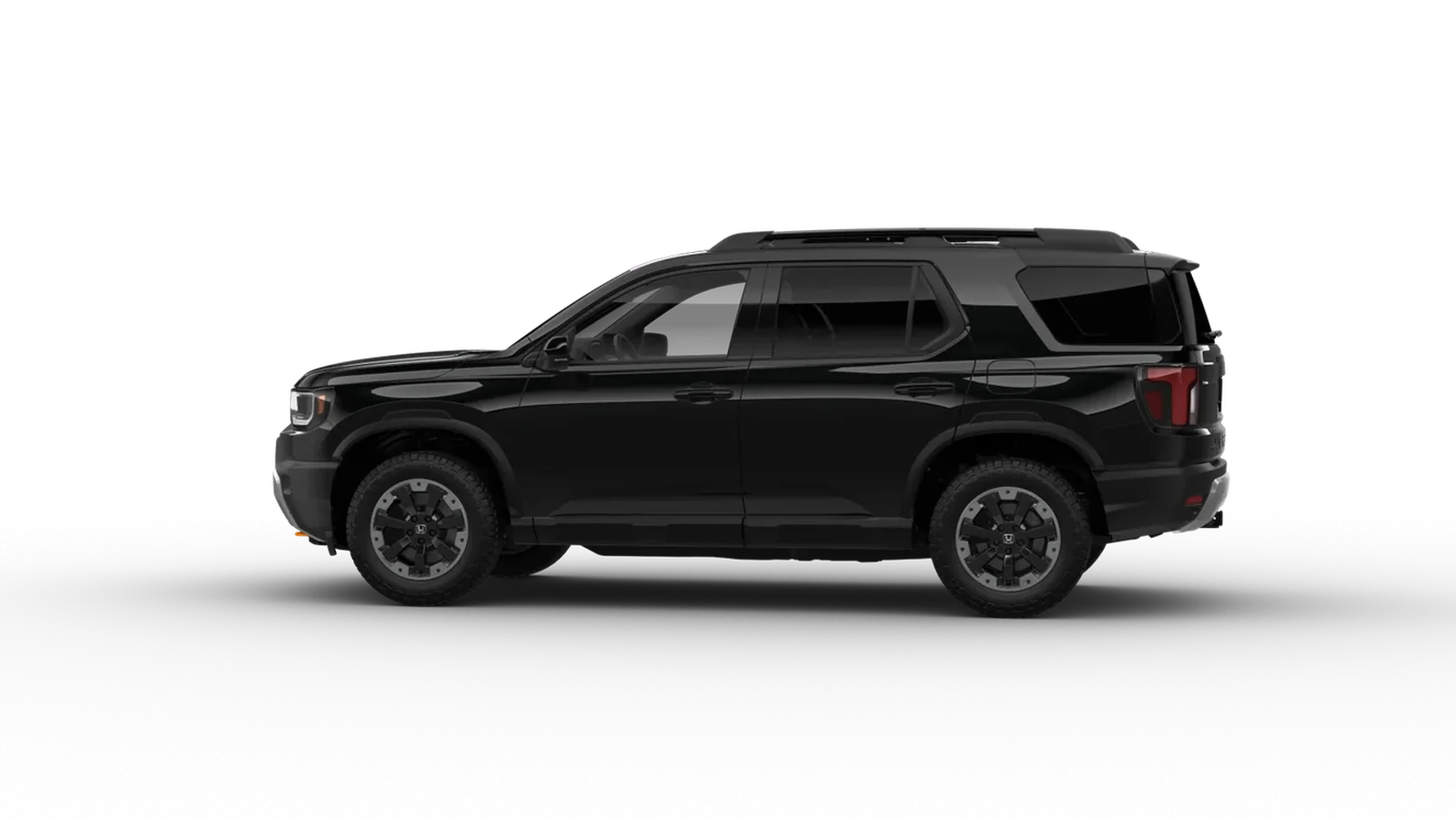
Photo: Honda Canada. 2026 Honda Passport. Part of the Car Buyer Protection Series by Henry Chen, Maple Honda, Vaughan.
OMVIC's broker contract framework is one of the most buyer-protective pieces of consumer-protection regulation in Ontario. The headline rule is direct: a broker is prohibited from taking or handling funds that are used to pay for the purchase or lease of a vehicle. A broker cannot make promises on behalf of a dealer. Any payment for the vehicle goes directly to the seller or lessor.
For a GTA buyer, the broker framework matters because it's the structural protection against the 'send me a deposit and I'll find you a car' scam. If a 'broker' is asking you to send money before the dealer has the vehicle ready, walk away.
The broker's role under OMVIC
- A broker facilitates a vehicle purchase or lease on behalf of the buyer — finds the vehicle, negotiates the terms, coordinates the paperwork
- A broker cannot hold or transfer buyer funds for the vehicle purchase
- A broker cannot make promises on behalf of the dealer
- A broker must use an OMVIC-compliant brokerage contract with the buyer
- The broker must disclose any compensation received from a third party (the dealer)
What has to be on a brokerage contract
- Your name and address as the customer
- The broker's registered name, registration number, and legal name (if different)
- The broker's business phone number and other contact info
- Any specifics you requested for the vehicle, or a statement that you didn't specify
- If you're trading in, the trade-in description and minimum acceptable trade-in amount
- Itemized list of the broker's charges and taxes
- Total charges and terms of payment
- Any compensation the broker receives from a third party (dealer), initialed by you
- Duration of the contract and early-termination terms
- Date the contract is entered into
- All restrictions, limitations, and conditions imposed on you
- A specific 12-point bold statement that any payment for the vehicle should be made directly to the seller or lessor, and that a broker is prohibited from taking or handling such funds
- OMVIC's contact information
Photo: Honda Canada. 2026 Honda HR-V.
What this means for you as a buyer
If a broker asks you for a deposit to 'hold a vehicle' or 'secure the deal' before the dealer has the vehicle ready, that's a violation. Walk away.
If a broker asks you to pay the broker directly for the vehicle, that's a violation. The payment should go to the dealer.
If the broker promises a vehicle the broker can't actually deliver (a price too good to be true, a specific trim that doesn't exist), that's a violation.
The broker's contract should make all of this clear before you sign it. If the contract doesn't have the OMVIC required language, the broker is in breach.
How to verify a broker is OMVIC-registered
- Use the OMVIC dealer-search tool at omvic.ca/dealer-search — search by salesperson name to find the broker's registration
- Ask to see the broker's certificate of registration
- Ask for the broker's registration number — it should appear on the brokerage contract
- Verify the broker's business phone number matches what OMVIC has on file
The cleanest broker relationship
If you want to use a broker to find a specific vehicle (a particular trim, colour, options package that's hard to source), the cleanest structure is: the broker negotiates with the dealer, you sign the deal with the dealer directly, the dealer collects the payment from you, the broker's fee is disclosed and paid separately by you or by the dealer.
This keeps the MVDA framework intact — the dealer is the seller, you have all the MVDA protections, the broker is the facilitator without taking on the seller's obligations.
Frequently asked, Vaughan edition
Can a broker take a deposit from me?
No. A broker is prohibited from taking or handling funds used to pay for the vehicle purchase or lease. Any deposit goes directly to the dealer. If a 'broker' asks you for money, that's either a violation of OMVIC's broker rules or the person is acting as an unregistered dealer — both are reasons to walk away.
What if I don't trust the dealer and want to work with a broker?
That's a legitimate concern, but the solution isn't a broker who holds your money. The solution is a clean OMVIC-registered dealer where the broker is the facilitator, you sign directly with the dealer, and the dealer collects the payment. The MVDA framework gives you all the buyer protections — you don't need a broker to hold your money.
Can a broker guarantee a specific price or vehicle?
No. A broker is not authorized to make promises on behalf of any person. If the broker is promising a specific price or vehicle, the dealer may or may not honor it. Get the broker's promises in writing on the contract, and verify directly with the dealer before signing anything.
What does a car broker actually do?
A car broker (also called a buying service or agent) acts on behalf of the BUYER to find, negotiate, and sometimes deliver a vehicle. They typically charge a flat fee ($500 to $2,000) or a percentage of savings. A good broker has dealer relationships, knows wholesale prices, and can negotiate below retail. A bad broker adds cost without adding value. Verify their reputation before paying.
Is a broker required to be OMVIC-registered?
It depends on what they do. A pure broker (no inventory, no dealer plate, no sales activity) is generally not required to register with OMVIC. A broker who holds inventory, takes title, or operates a dealer-style sales process is a dealer and MUST register. Ask for clarification: if the broker takes your money, holds vehicles, or signs dealer paperwork, they should be registered.
What is the typical fee structure for a car broker?
Three common models: (1) flat fee ($500 to $2,000 per vehicle regardless of price), (2) percentage of savings (e.g., 25% of the difference between quoted retail and negotiated price), (3) percentage of vehicle price (1 to 3%, common on luxury purchases). The flat fee model is the cleanest — you know the cost upfront. Percentage models can lead to conflicts of interest.
Can a broker help me find a specific rare Honda?
Often yes — this is where brokers shine. Dealers will not spend staff time hunting for one specific vehicle across the country; brokers will. If you are looking for a low-mileage Civic Type R, a specific Passport trim, or a particular colour combination, a broker with auction access and dealer relationships can often find it faster than you can. Expect to pay $1,000 to $3,000 for this service.
What is the difference between a broker and a buying concierge?
A broker negotiates and purchases on your behalf — they take title or facilitate the transfer. A buying concierge provides advice, pricing research, and inspection referrals but does not handle the actual purchase. Concierges typically charge less ($200 to $500) but do not have the same leverage. For a straightforward local purchase, a concierge is enough. For a complex out-of-province or specialty search, a broker is worth the extra cost.
Want me to walk through the OMVIC piece of your next deal?
If you have a quote from another store, a private sale you're considering, or just a question about how OMVIC's rules apply to your situation, send me the details. I will help you pressure-test the structure.
Ask Henry a question
Not ready to book anything? Just ask. Henry Chen answers every message himself — usually within a couple of hours during business hours. No call list, no pressure, and no obligation to buy anything.