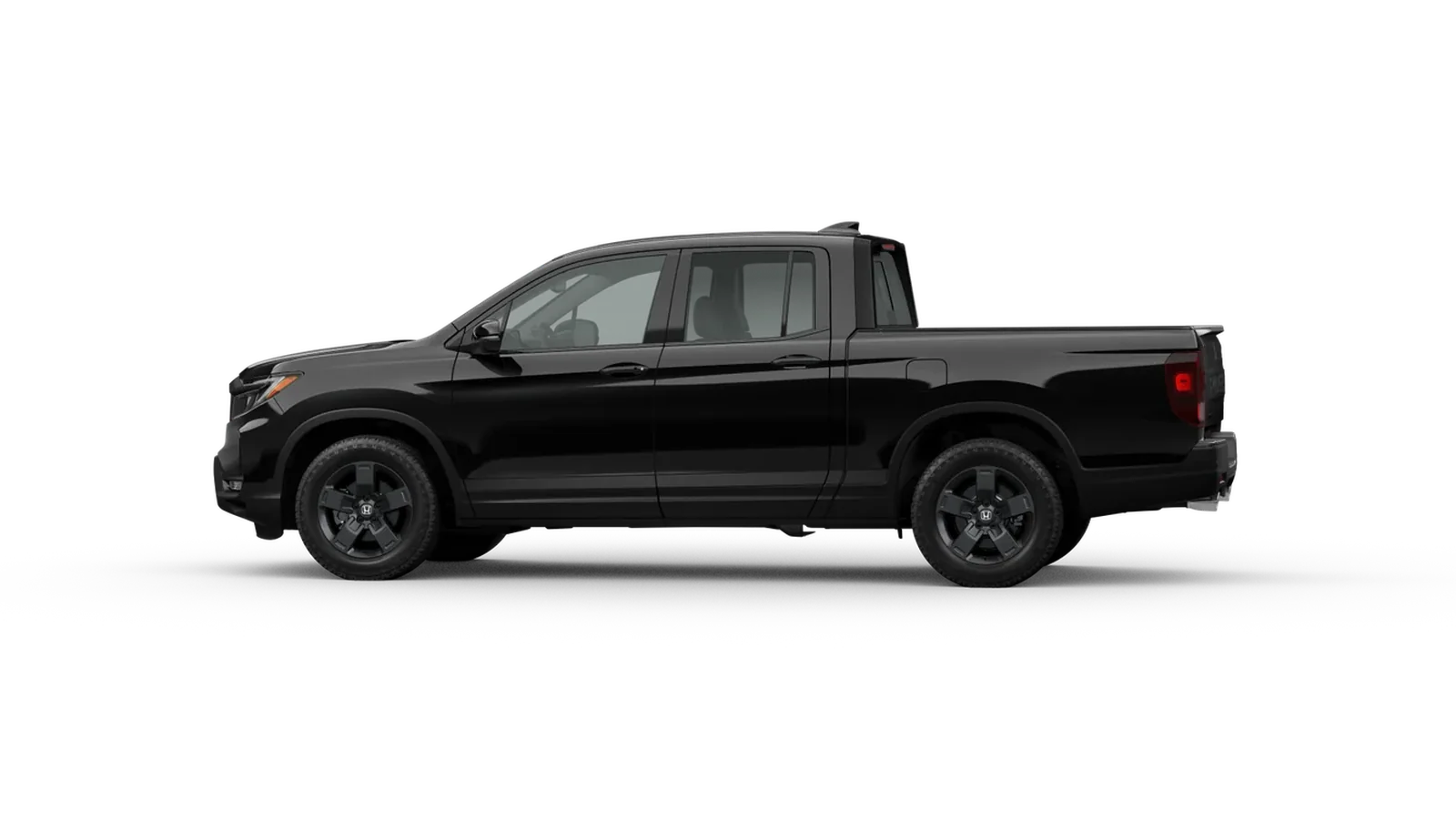
Photo: Honda Canada. 2026 Honda Ridgeline. Part of the Car Buyer Protection Series by Henry Chen, Maple Honda, Vaughan.
OMVIC's Auction Guideline governs wholesale dealer-to-dealer auctions. The headline rule is straightforward: only registered dealers can buy at wholesale auctions. Retail buyers — that's you — are not allowed on auction premises for the purpose of acquiring a vehicle.
For a GTA Honda buyer, the auction framework matters in two ways. First, it explains how the dealer you buy from sources inventory (especially when supply is tight). Second, it gives you a sharp signal about anyone offering to sell you a vehicle 'at auction prices' through a back-channel — that's almost always a curbsider or scam.
The basic OMVIC rule on auctions
Wholesale auctions in Ontario are for registered motor vehicle dealers. Period. Anyone in the bidding area has to wear visible photo ID, and only registrants can bid. The auctioneer has to verify that bidders are registered dealers before letting them bid.
If an auctioneer lets a non-registrant bid in the wholesale auction, that's a violation of OMVIC's rules. If a dealer facilitates a non-registrant's access to a wholesale auction, that's also a violation. Both are enforcement issues.
What this means if someone offers to sell you a vehicle 'at auction prices'
- If the seller is offering to take you to a wholesale auction, they're violating OMVIC's rules — retail buyers aren't allowed
- If the seller is offering a vehicle they bought at auction at a price below market, that's a curb-side sale — they should be a registered dealer if they're selling more than a personal vehicle
- If the seller claims the vehicle 'came from auction' as a way to justify a low price, ask for the auction invoice and the dealer who consigned it — if they can't produce them, walk away
Photo: Honda Canada. 2026 Honda Ridgeline.
The vehicle-side disclosures still apply at auction
OMVIC requires that sellers at dealer-to-dealer auctions make the same MVDA disclosures that apply to retail sales. If a vehicle at auction has undisclosed accident history, undisclosed branding, or undisclosed odometer issues, the dealer who bought it inherits the disclosure obligation.
For you as a retail buyer, this means the dealer who bought at auction is still required to put those disclosures on your contract. The auction origin doesn't waive the disclosure requirements.
What OMVIC's auction enforcement actually looks like
- Auctions registered with OMVIC are subject to the same rules as other dealers
- Auctions can lose their registration if they violate the rules
- Dealers who use auctions are subject to the same disclosure obligations as dealers who don't
- OMVIC's Industry Standards & Conduct Department handles complaints related to auction transactions
When auction origin is actually relevant to you as a buyer
When the dealer bought at auction, the MVDA still requires the disclosure block on your contract to reflect everything the dealer knows about the vehicle. The auction origin doesn't excuse the disclosure.
When you're shopping for a used vehicle at a registered dealer, ask where the dealer sourced the vehicle. Trade-in, lease return, and auction are all common. Each has different risk profiles. A vehicle that was a fleet lease return is often well-maintained. A vehicle from an auction may have less history behind it. Knowing the source helps you evaluate the risk.
The single most important takeaway
- Retail buyers don't belong at wholesale auctions — if someone offers to take you to one, that's a violation
- OMVIC's auction rules protect registered dealers, not consumers — but they indirectly protect you by keeping the dealer trade clean
- The MVDA disclosure obligations apply regardless of where the dealer sourced the vehicle
- Ask your dealer about the vehicle's origin if it's relevant to your buying decision
Frequently asked, Vaughan edition
Can I buy a Honda at a dealer auction in Ontario?
No. Wholesale auctions in Ontario are restricted to registered dealers. If someone offers to sell you a vehicle at auction, they're either breaking the rules or describing a different kind of transaction.
If the dealer sourced my vehicle from auction, do I have fewer protections?
No. The MVDA disclosure framework applies regardless of where the dealer sourced the vehicle. The dealer still has to put the MVDA-required disclosures on your contract, and you still have the 90-day cancellation right, the Compensation Fund access, and the OMVIC complaints process.
Can I attend an auction as an observer?
No. Auctions don't allow non-registrant observers in the bidding area. The auction is a dealer-only transaction environment. If you want to understand what's at auction for context, ask your dealer to walk you through what they look for when they buy at auction.
What is the difference between a public auction and a dealer-only auction?
Public auctions (Manheim, Adesa, etc.) allow individual buyers, but registration is strict and bidding is competitive. Dealer-only auctions (most used-car auctions) require a dealer licence and are not accessible to the public. Public auctions often have salvage, lease-return, and fleet vehicles — many are sold as-is with no warranty and no test drive. If you can attend a public auction, bring a mechanic and budget for transport.
Can I get a Carfax on an auction vehicle?
Sometimes. Many auction houses provide a basic vehicle history report (often through Manheim's MMR or similar), but it is typically less detailed than a retail Carfax. Some vehicles arrive at auction with limited history because fleet or rental operators do not always service at franchised dealers. Ask the auction house what is available and consider paying for an independent Carfax ($40 to $60) on top of any auction report.
What does 'sold as-is, where-is' mean at auction?
'Sold as-is, where-is' is the auction industry's strongest disclaimer — the auction house makes no warranty about condition, makes no representation about history, and the buyer is responsible for everything once they win the bid. You cannot return the vehicle, demand a refund, or claim misrepresentation (in most cases). The auction process is final. Inspect before bidding.
Are auction fees and buyer premiums worth budgeting for?
Yes — they add up fast. Typical auction fees: buyer premium (5 to 10% of hammer price), auction house fee ($200 to $500), gate fee ($50 to $100), title or transfer fee ($50 to $200), and sometimes a documentation fee. On a $15,000 car, fees can total $1,000 to $2,000. Add transport ($200 to $500 if not driving home) and any post-sale repairs, and the 'great deal' gets less great quickly.
Can I test drive an auction vehicle before bidding?
Usually no, or very limited. Public auction vehicles are typically parked in rows and can be inspected (cold) — you can look, sit in, check fluids, listen to it idle, but you cannot take it on the road. Some auctions offer a short in-lot drive. The lack of test drive is the main reason auction cars carry risk — bring a mechanic who knows what to look for in a cold inspection.
Want me to walk through the OMVIC piece of your next deal?
If you have a quote from another store, a private sale you're considering, or just a question about how OMVIC's rules apply to your situation, send me the details. I will help you pressure-test the structure.
Ask Henry a question
Not ready to book anything? Just ask. Henry Chen answers every message himself — usually within a couple of hours during business hours. No call list, no pressure, and no obligation to buy anything.