Canadian Auto Dealer reported August 26 that an AutoForecast Solutions executive doesn't expect automakers to abruptly leave Canada over tariff pressure, citing existing investments, Canadian labour, suppliers and the deeply integrated North American production system. The same report said the current U.S. auto tariff remains in place, with a threatened higher rate dated January 1, 2027. Canadian Auto Dealer
What it means: The useful buyer takeaway isn't political. It's timing risk. A headline can make a shopper feel like the whole market is about to move overnight, but factory footprints, supplier contracts, vehicle pipelines and retail inventory don't turn that quickly.
For a Honda shopper in the GTA, the smart move is still to separate fear from paperwork. A written quote, a real incoming unit, the trade value, the finance or lease term, and the delivery date matter more than a headline. If tariffs change future costs, you'll feel it through allocation, model mix, incentive selectivity and replacement-cost pressure before you see a clean simple answer on a showroom tag.
Likely (3 months): By November 30, 2026, tariff risk will show up in GTA Honda conversations mainly as delivery-timing and written-quote discipline, not as an immediate broad inventory shock, because automakers still have too much committed North American capacity to make sudden retail moves.
If you're buying right now: don't buy out of panic. Lock the exact price, expiry date, trade value and delivery timing in writing, then compare that against the next program if you're flexible.
Canadian Auto Dealer also reported August 26 that CADA and the Canadian Finance & Leasing Association are asking Ottawa to close a vehicle export gap tied to fraudulently financed vehicles. The report said estimated conventional theft losses have fallen from roughly $1.5 billion annually to about $900 million, while fraudulently financed vehicles directed toward export have increased 72% year over year. Canadian Auto Dealer
What it means: This sounds like an industry problem until a normal customer gets caught in the extra friction. When lenders and dealers tighten fraud controls, legitimate shoppers can be asked for cleaner ID, clearer income proof, stronger address history, lien clarity on a trade, or more explanation around a file that looks unusual.
That doesn't mean buyers should feel accused. It means the paperwork part of the deal is becoming more important. The faster a shopper can prove who they are, what they earn, where the trade came from, and whether there's a lien, the less likely the file gets slowed down by fraud filters designed for organized crime.
Likely (3 months): By November 30, 2026, Canadian lenders and dealers will add at least one extra verification step to more finance files involving recent address changes, thin credit history, unusual trade ownership or export-sensitive vehicles, because fraud risk is moving from theft-only checks to finance-file checks.
If you're financing right now: bring clean ID, employment proof, address proof, trade ownership and payout details early. Good paperwork can save more time than arguing after the approval stalls.
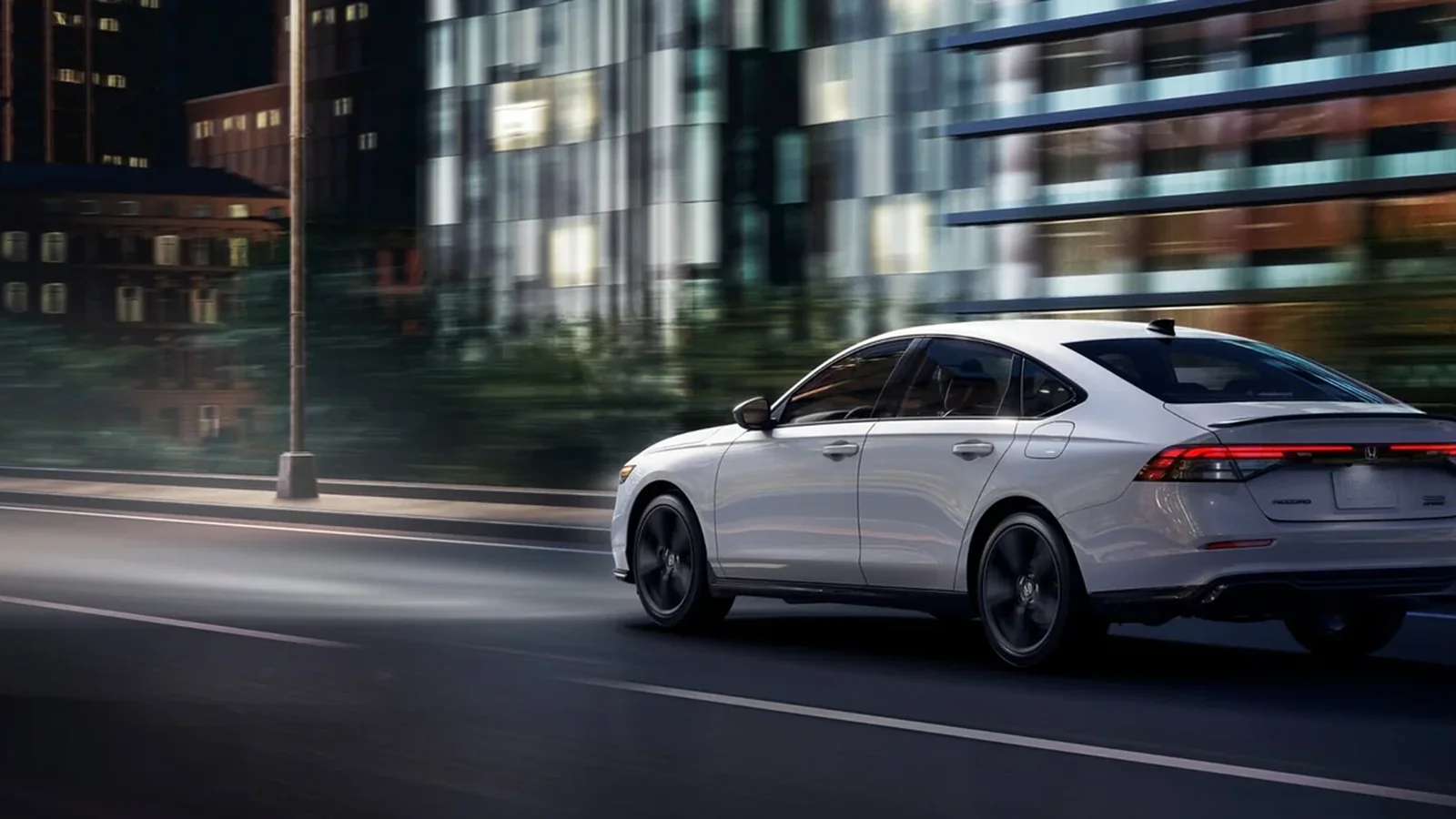
Canadian Auto Dealer's August 5 hybrid-market report said hybrid consideration reached a record 22% during the first half of 2026, while EV consideration slipped to 10%. The same report said Honda led non-luxury brands across nine of 12 purchase drivers measured and that Accord Hybrid entered the top 10 most-considered electrified vehicles. Canadian Auto Dealer
What it means: Hybrid is no longer the niche explanation at the desk. For a lot of shoppers, especially compact-car and family-SUV shoppers, it's the normal comparison. The customer question has shifted from "should I go electric?" to "does the hybrid payment make sense after fuel, insurance, wait time and resale?"
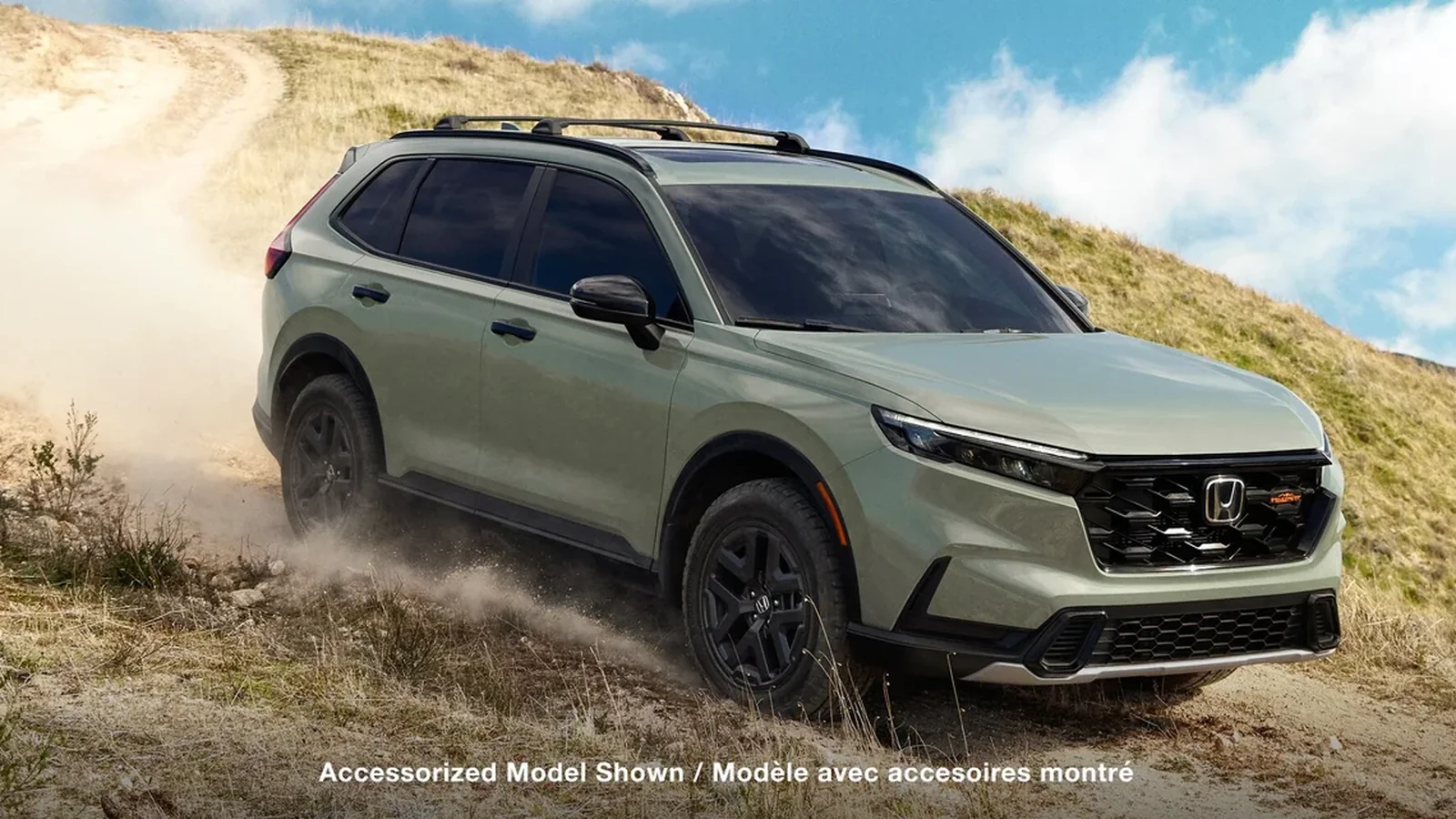
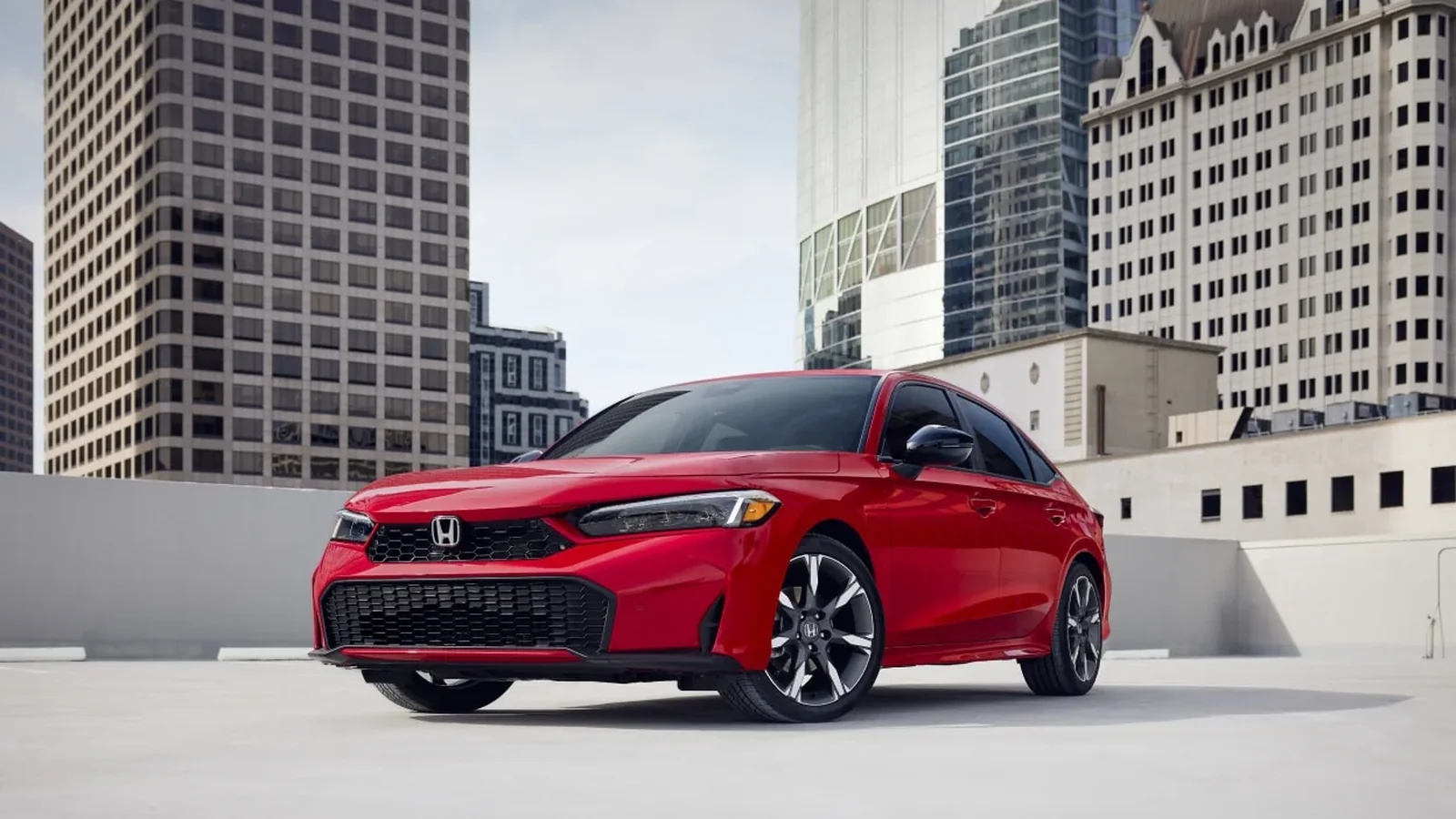
This is where Honda has a useful story, but not a free pass. CR-V Hybrid, Civic Hybrid and Accord Hybrid are easy to understand. Toyota still owns a lot of hybrid mindshare. Hyundai and Kia are pushing hard on hybrid SUVs, which is why I keep a live CR-V Hybrid vs RAV4 Hybrid vs Tucson Hybrid comparison for Vaughan shoppers. The next fight isn't just fuel use. It's which brand can make the hybrid feel like the financially obvious trim.
Possible (6 months): By December 31, 2026, at least one mainstream Honda Canada hybrid will be featured more aggressively in monthly payment conversations than its gas equivalent for a full program cycle, because hybrid demand is moving from curiosity to default cross-shop math.
If you're cross-shopping right now: compare the gas and hybrid versions on the same term, same down payment and same realistic fuel use. The badge doesn't decide the deal; the total monthly math does.
Canadian Black Book's August 25 market insight said Canadian used wholesale values declined 0.27% for the week ending August 22, with cars down 0.18% and truck/SUV segments down 0.33%. It also said demand for high-quality vehicles remains strong and that average used retail listing prices were slightly increasing at about $38,200 across roughly 169,000 dealer-listed vehicles. Canadian Black Book
What it means: Wholesale and retail are still not moving at the same speed. Dealers buying vehicles are seeing weekly depreciation. Shoppers browsing online can still see firm asking prices because good units are easier to defend and sellers don't cut immediately just because the wholesale chart moved one week.
That's why trade-in conversations feel sharper. A clean Honda with service history, two keys, decent tires, clean glass and no mystery lights isn't the same asset as an average one with reconditioning work waiting. In this market, the condition spread matters as much as the model badge.
Likely (3 months): By October 31, 2026, GTA retail asking prices on clean late-model Hondas will lag wholesale softness by at least two weeks, because dealer-ready vehicles can hold advertised value longer than average-condition trades can hold appraisal value.
If you're trading right now: ask what part of the number is market movement and what part is reconditioning. That tells you whether you're negotiating demand or the actual condition of your vehicle.
Quick answers
Should I wait because of tariff news?
Wait only if your timing, colour, trim and payment are flexible. If the right vehicle and written number are in front of you, a political headline alone isn't a strategy.
Will extra fraud checks slow every finance file?
No, but files with recent moves, thin credit, unusual trade history or mismatched paperwork are more likely to need extra explanation.
Are used Honda prices actually softening?
Average wholesale values are softening, but clean retail-ready Hondas can still hold firmer asking prices because they're easier for the next buyer to trust.
Want the real number before the market moves?
Send the stock number, your trade details, and whether you prefer lease or finance. I will show you the written program, the trade logic, and the payment comparison before you chase a headline.
Henry Chen
Sales and Leasing Executive, Maple Honda
89 Auto Vaughan Dr, Maple, ON L6A 4A1
Predictions are Henry's personal market read, not Honda Canada policy. Confirm current inventory, trim equipment, offers, trade value, financing terms and delivery timing before making a purchase decision.
Ask Henry a question
Not ready to book anything? Just ask. Henry Chen answers every message himself — usually within a couple of hours during business hours. No call list, no pressure, and no obligation to buy anything.