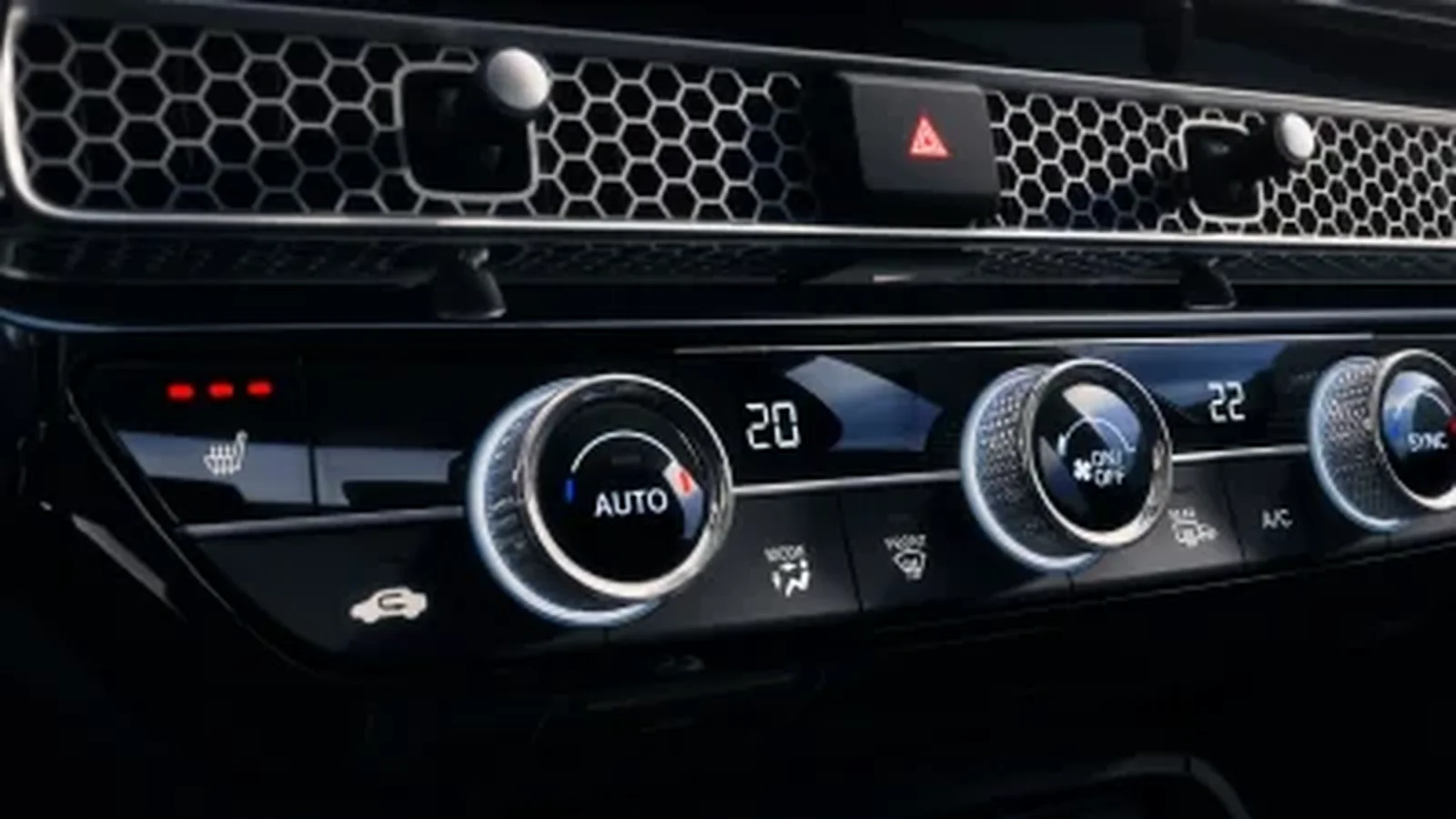
Photo: Honda Canada. 2026 Honda Civic Sedan design and key features.
TD Economics projects Canadian new vehicle sales will fall 4.3–4.6% in 2026, dropping to approximately 1.9 million units after a six-year high in 2025. Average transaction prices for new vehicles in Canada declined 0.6% to $53,400 last year, the first pullback after several years of sharp increases. The Bank of Canada is holding its policy rate at 2.25%, leaving the prime rate near 4.45%, and TD notes that the average new-car monthly payment is hovering around $1,000. Retail Insider / TD Economics
What it means: On the surface, a softening market sounds like good news for buyers. More supply, less competition, dealers willing to deal. That's partly true, but the mechanism matters. The main reason sales are falling isn't that people don't want cars. It's that a $1,000-a-month payment is pricing out a meaningful slice of buyers who would have stretched to it in 2022 or 2023. The people still in the market are buyers with strong credit, equity in a trade-in, or a clear budget discipline. Those buyers have the most leverage right now. On the Honda side specifically, the current incentive cycle, Civic lease rates from 3.99%, CR-V loyalty bonus of $750, expires June 1. The post-June incentive structure is still unknown, but in a declining-sales environment, manufacturers don't typically get stingier. The direction of travel on incentives is more likely down on rates or up on cash, not tighter.
My prediction: Honda Canada will introduce an improved incentive cycle on at least one 2026 model after June 1, most likely a sub-3.99% lease rate on the Civic or a larger loyalty cash amount on the CR-V, as softening overall sales volume creates pressure to protect Honda's share in Q3. The trigger will be the June sales numbers, which should land in early July.
Resolved (August 31, 2026): Right. An Ontario Honda dealer offer page still lists a 2026 Civic Sedan LX lease example at 3.39% APR through Honda Financial Services, below the 3.99% threshold the May call named.
If you're buying right now: If your credit is strong and your trade has equity, this is the best negotiating environment in three years, ask for the actual rate being offered, not the posted rate, and compare the June 1 Honda deal against whatever replaces it before committing to one side of that expiry.
Want to know where your payment actually lands before you walk in?
I can run real numbers for your situation — trade value, rate, down payment — so you're comparing actual monthly costs, not posted prices.
Ask Henry a question
Not ready to book anything? Just ask. Henry Chen answers every message himself — usually within a couple of hours during business hours. No call list, no pressure, and no obligation to buy anything.