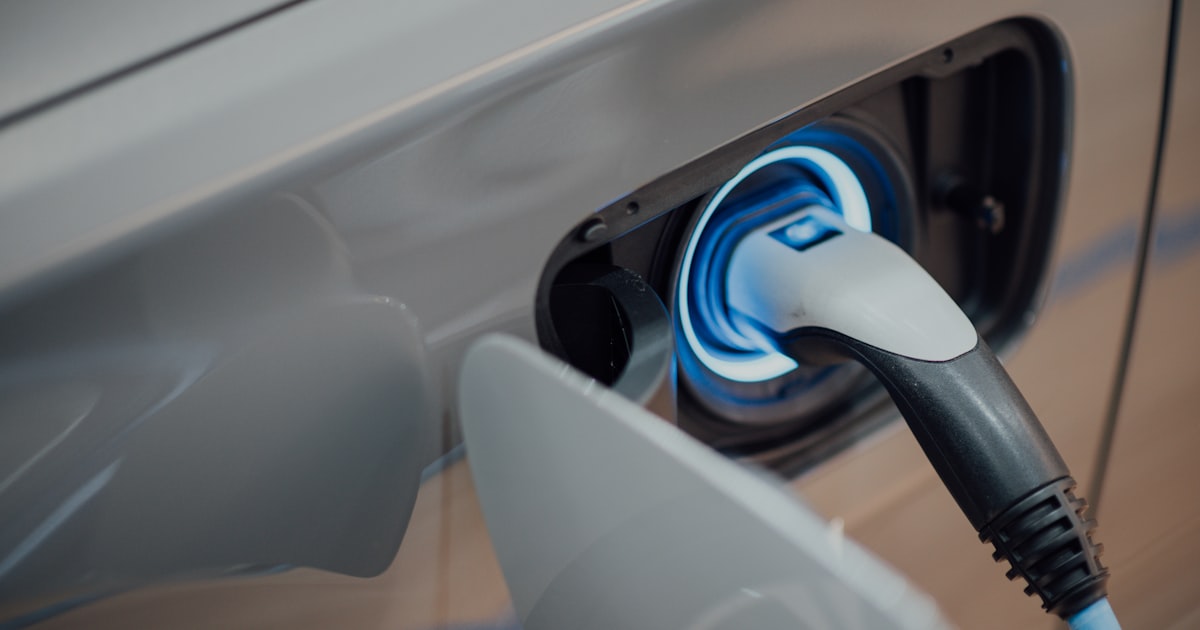
Every Prologue conversation I have on the Maple Honda lot comes back to the same question within about five minutes: can I charge at home? The answer is almost always yes, but the install looks different in a 1990s Maple bungalow than it does in a new townhouse on Highway 7, and very different again in a condo along Jane Street. This is the part of Prologue ownership nobody talks about in the spec sheet — and it is the part that decides whether the EV is right for your household or not.
Here is what home EV charging in Vaughan actually involves, what it typically costs, and what I see buyers most often miss.
Level 1 vs Level 2 — the two speeds that matter
There are two ways to charge a Prologue at home, and the difference between them is the difference between a chore and a non-event.
Level 1 is the regular 120V household outlet. The Prologue comes with a Level 1 cable in the trunk. It works, but it is slow — roughly 5 to 7 km of range per hour. A full top-up from empty takes more than 48 hours. For a household that drives under 30 km a day, Level 1 is acceptable as a backup. For a real daily driver in the GTA, it is not the answer.
Level 2 is a dedicated 240V circuit — the same kind of outlet a dryer or stove uses. On Level 2, a Prologue typically adds 35 to 55 km of range per hour of charging. A typical overnight session handles any realistic Vaughan daily round-trip with room to spare. This is what home EV charging actually means in practice. If you can install Level 2, the EV ownership experience is essentially invisible — you plug in at night, the car is full by morning, and you stop thinking about it.
The first decision is which level your household actually needs. For almost every Vaughan buyer I work with, the answer is Level 2.
Will your electrical panel handle it?
This is the question that decides the install timeline and cost. The Prologue's Level 2 charger pulls roughly 9.6 kW on a 40-amp dedicated circuit. Your home's electrical panel needs to have the spare capacity to absorb that load alongside the rest of the house — furnace, dryer, oven, hot water.
Most Vaughan homes built after the late 1990s have a 200-amp panel that handles a Level 2 charger without issue. The installer's electrician confirms during the home assessment, and you usually charge the same week as the assessment.
Older bungalows in parts of Maple, Woodbridge, and Concord — typically homes built before 1990 — often have 100-amp panels. A 100-amp panel usually cannot safely absorb a Level 2 charger plus normal household loads. The fix is a panel upgrade to 200 amps, which typically adds $2,000 to $4,000 to the install. Not a deal-breaker, but worth knowing before you commit to the Prologue. The home-assessment visit will tell you definitively in 30 minutes.
Townhomes are a middle case. Newer townhouses in developments like those along Major Mackenzie or Teston usually have 200-amp panels. Older townhouses may have 100-amp shared service, which complicates the picture — your electrician and the install supplier will sort it out, but it is worth budgeting an extra hour of assessment time.
Vaughan housing types — what install actually looks like
Vaughan is mostly detached homes and townhouses, with a growing share of mid-rise condos along Highway 7 and the Vaughan Metropolitan Centre. The install path is different for each:
- Detached home with a garage (most of Maple, Kleinburg, parts of Woodbridge). Easiest path. Charger mounts on the garage wall or an exterior-rated post next to the driveway. Cable run from the panel is usually under 15 m. Typical install $1,500 to $2,500 all-in.
- Townhouse with a garage. Similar to detached, with the wrinkle that the electrical panel is sometimes shared with neighbours. The home assessment confirms whether your panel has spare capacity. Typical install $1,500 to $2,500.
- Townhouse without a garage (driveway only). Needs an exterior-rated charger post. The post is weather-rated for Ontario winters and the cable reaches the Prologue's charge port. Adds $300 to $700 to the install. Typical total $1,800 to $3,200.
- Condo (apartment or townhouse-style). The complex case. You need board or building-management approval, shared electrical capacity analysis, and usually a dedicated parking spot or assigned stall. Some newer buildings are EV-ready. Many older ones are not. Honda's exclusive supplier handles this end-to-end for Prologue buyers, including the board conversation. Cost ranges from $0 (in an EV-ready building) to $3,000+ (if electrical work is needed in the parking garage). Timeline can be weeks to a few months.
If you live in a condo, start the charger conversation with your building management before you order the Prologue. It is the only case where the install timeline can run longer than the delivery timeline.
The cost question, in one line
Plan for $1,500 to $2,500 if you have a garage in a typical Vaughan detached or townhouse. Plan for an extra $2,000 to $4,000 if the panel needs an upgrade. Plan for $0 to $3,000+ in a condo, with timeline dependent on your building.
Charging cost on Alectra's rate plan
Vaughan homes are mostly on Alectra Utilities. Alectra offers an EV-specific time-of-use rate that is meaningfully cheaper than the standard residential rate, especially overnight. The exact figures change as rate cases update, but the rough shape in 2026 is:
- Off-peak overnight (typically 11 PM to 7 AM, plus weekends): roughly 8.7 cents per kWh.
- Mid-peak (daytime weekdays): roughly 15 to 18 cents per kWh.
- On-peak (4 PM to 9 PM weekdays): roughly 22 to 26 cents per kWh.
A Prologue uses about 20 kWh per 100 km. On the off-peak rate, that is roughly $0.025 per km — about $45 a month for a 1,800 km monthly driver. On the on-peak rate, it is roughly $0.06 per km, or about $110 a month. Most owners set the charger to start at 11 PM and the car does the rest automatically. The cheapest plan in our market right now is the EV-specific time-of-use rate with the charger set on a schedule — that is the configuration I recommend to every Prologue buyer I work with.
For context, a CR-V Hybrid at 6.4 L/100 km combined and current GTA gas prices runs about $0.10 to $0.12 per km. The Prologue on off-peak home charging is roughly one-quarter of that. Over 18,000 km a year, the fuel saving is roughly $1,500 — meaningful, and the reason most of the EV ownership math works.
When home charging is not the right answer
Not every Vaughan household should install home charging. Be honest about which case you are in:
- You live in a condo where the board has rejected EV charger installs. Some older buildings lack the electrical capacity for shared Level 2 charging. In that case, your Prologue ownership shifts to public Level 3 DC fast charging, which is more expensive (roughly $0.30 to $0.45 per kWh in the GTA) and adds time to your weekly routine. Not impossible — just a different ownership model.
- You rent and the landlord will not approve an install. Same answer as above. A Prologue without home charging is a workable but more expensive ownership model. The Civic Hybrid or CR-V Hybrid becomes the better Honda for your situation.
- You drive over 200 km a day regularly. A Level 2 charger adds about 45 km per hour overnight. A typical 10-hour overnight charge covers up to 450 km, which is more than enough for almost any commuter. If you drive 250 km a day, you are pushing the limits and may want a Level 2 charger at work or a DC fast-charging habit. The Prologue can do this, but home charging is no longer the whole answer.
The Honda CR-V Hybrid and Civic Hybrid remain the right Honda for buyers who fall into any of these cases. Not because the Prologue is a worse vehicle — it is excellent — but because the ownership model is built around home charging, and home charging is not always available. The right powertrain is the one that matches the way you actually live.
What I'd do if I were buying a Prologue tomorrow in Vaughan
If I were a Vaughan household putting in a Prologue order this week, here is the order I would run it:
- Confirm parking. Garage, driveway, or assigned spot. This decides the install path.
- Book the home assessment. Honda's exclusive supplier does a no-cost assessment for Prologue buyers. The electrician confirms panel capacity, suggests the charger location, and gives you a firm quote.
- Get the Alectra EV time-of-use rate on the account. This is the single biggest savings move. Apply through Alectra's website or call them; it usually takes one billing cycle to switch.
- Schedule the install for after the Prologue delivery. No point installing the charger a month early. Most installs happen within a week of the assessment.
- Plug in the first night. Set the charger schedule to start at 11 PM. The HondaLink app on the Prologue also lets you schedule charging from the car, which works alongside the charger's own schedule. Either path is fine.
Home EV charging in Vaughan is not complicated, but it has more steps than a gas-car purchase. Buyers who walk through those steps before the Prologue arrives have a much better first month of ownership than buyers who figure it out as they go. The vehicle itself is excellent — it is the install and rate plan that decide whether the ownership experience is invisible or a hassle.
Common questions, Vaughan edition
Can I charge a Honda Prologue with a regular outlet?
Yes — Level 1 charging from a standard 120V household outlet works on a Prologue. It is slow, though: roughly 5 to 7 km of range per hour of charging, which means a full top-up takes more than 48 hours. Level 1 is fine for occasional top-ups, a plug-in hybrid, or a household that drives under 30 km a day. For daily Prologue use in Vaughan, a Level 2 charger is the practical answer — it adds roughly 35 to 55 km of range per hour, so an overnight charge handles any realistic daily round-trip.
How much does it cost to install a Level 2 charger at a Vaughan home?
Most Vaughan detached-home installs run $1,500 to $2,500 all-in, including the charger hardware, a dedicated 40-amp or 50-amp circuit, breaker, and standard-length cable run from the panel. Honda's exclusive home-charging supplier bundles the assessment, quote, and install for Prologue buyers, which is the simplest path for most households. Longer cable runs (panel at the opposite end of the house from the garage), panel upgrades for older homes with a 100-amp service, or exterior-rated posts for driveway-only installs add cost. Condos vary widely — typically $0 to $3,000 depending on building rules, shared electrical capacity, and what the board approves.
Will my electrical panel handle a Level 2 charger?
Most Vaughan homes built after the late 1990s have a 200-amp panel that can absorb a Level 2 charger without issue. Older bungalows and some townhomes in Maple, Woodbridge, and Concord have 100-amp panels, which usually need an upgrade before a charger can be installed — typically another $2,000 to $4,000 on top of the charger install. The home-assessment visit will tell you definitively. Plan a 30-minute walkthrough with the installer's electrician — they need to see the panel, the meter base, and the proposed charger location.
How long does it actually take to charge a Honda Prologue at home?
On Level 2 (240V, 40-amp circuit), a Prologue typically charges from empty to full in roughly 8 to 10 hours. In real Vaughan use, you almost never charge from empty — most owners plug in every night at 30 to 60 percent and top up overnight, which is a 2 to 4 hour charge. On Level 1 (a regular 120V outlet), the same 30-to-100 percent top-up takes 14 to 18 hours, which is why Level 1 is a backup, not a daily plan for a battery-electric vehicle. On a DC fast charger (Level 3), 20 to 80 percent takes about 35 minutes — useful for road trips, not needed at home.
What does it cost per month to charge a Prologue in Vaughan?
On Alectra's off-peak overnight rate (roughly 8.7 cents per kWh for EV customers in Vaughan), charging a Prologue at home costs roughly $0.025 per km — about $45 a month for a typical 1,800 km monthly driver. On-peak charging pushes that to roughly $0.06 per km, or about $110 a month. The cheapest plan in our market right now is the EV-specific time-of-use rate with the charger set to start at 11 PM, which puts most home charging inside the off-peak window automatically. Either way, fuel cost on the Prologue is roughly one-third of what a CR-V Hybrid costs to run on gas.
Want help figuring out if home charging fits your driveway?
Tell me where you park, what you drive daily, and what your routine looks like. I will lay out the install and ownership math honestly for both the Honda Prologue and the hybrid lineup. No pressure, no scripted pitch.
Charging costs are based on Alectra Utilities' published residential time-of-use rates as of June 2026 and NRCan's combined-cycle consumption figure for the 2026 Honda Prologue. Real-world electricity cost depends on your specific rate plan, time of charging, weather, and battery preconditioning. Install cost varies with panel capacity, cable run, charger location, and (for condos) building approvals. Confirm the current figures with Henry at Maple Honda before committing.