If you are shopping a Civic Si or a Civic Type R in the GTA, the pressure is not coming from nostalgia alone. It is coming from structure. Honda used to offer manual Civics across a much wider part of the lineup. Now the manual story is concentrated almost entirely in the enthusiast trims, which means the buyer who wants a new-clutch-pedal Honda has fewer doors left open than before.
That is the important shift. The manual is no longer a regular Civic flavour. It is now part of the halo.
The practical takeaway: when a manual transmission moves from "trim choice" to "identity feature," waiting usually gets riskier than buyers expect.
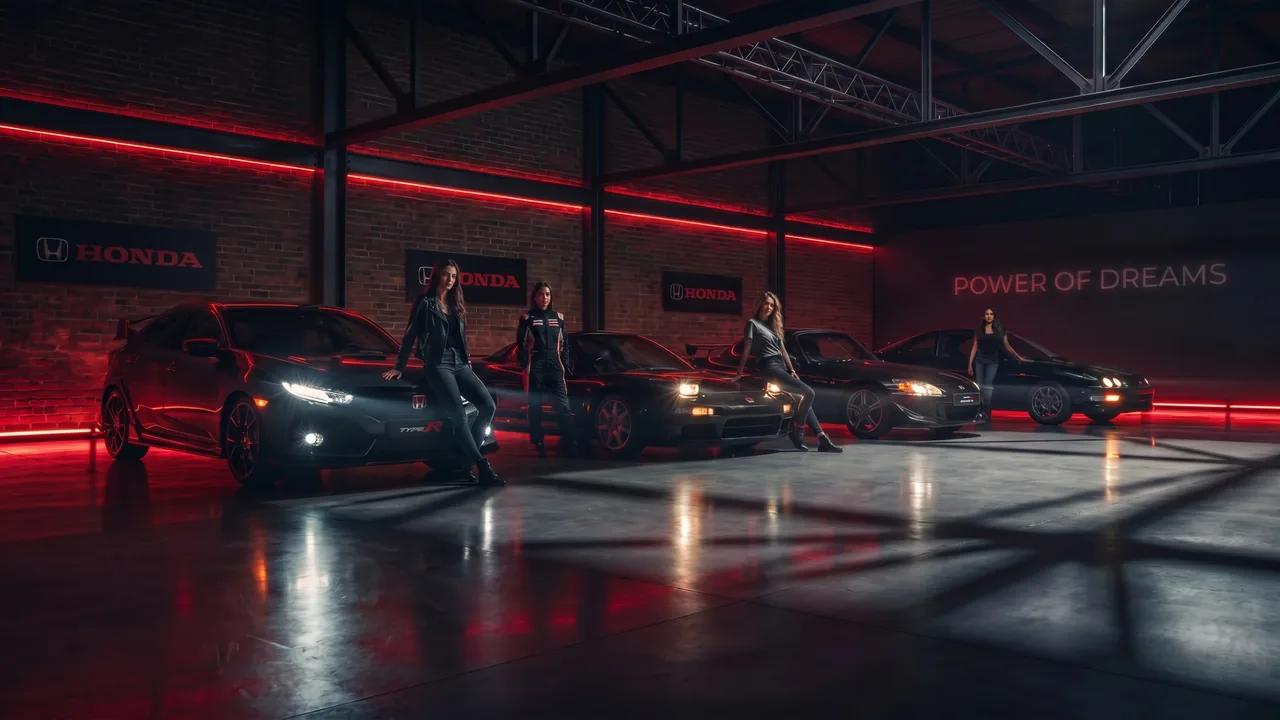 AI creative image
The manual Civic is now a narrow lane, not a wide lineup
Honda Canada still presents the 2026 Civic Si around a short-throw 6-speed manual with rev-match control. The 2026 Civic Type R does the same, and the official Type R specs page still carries a low-inventory label as of June 7, 2026. That matters because the buyer who wants a factory-warranty Honda manual is not choosing from five or six Civic variants anymore. They are effectively choosing between two enthusiast cars that sit near the top of the family tree.
That is a very different buying environment from the older Civic years when a driver could decide they wanted three pedals without automatically stepping into the Si or Type R lane. Today, wanting the manual usually means wanting the whole performance package that comes with it.
Why the Si and Type R still pull real buyers in
The reason people move quickly is not just scarcity. It is that Honda still makes the gearbox feel worth chasing. The Si remains the attainable daily-driver answer: a genuine manual sport sedan that still works on Highway 407, still parks at Richmond Hill condos, and still feels usable in ordinary life. The Type R is the harder-edged version of that idea, with the collector energy, the serial-number identity, and the tighter supply picture layered on top.
Those two cars appeal to different budgets, but they share the same emotional logic. They are among the last Hondas where the transmission is not a footnote. It is the point.
Why waiting gets more dangerous for manual buyers
A lot of buyers still think waiting is neutral. It is not. Waiting makes sense when more supply is coming, when discounts are likely to widen, or when the alternative trims remain broad enough that you can always pivot. That logic works on mainstream Civics, CR-Vs, and Accords. It works far less well on a manual-only enthusiast trim where supply is tighter and the replacement path is narrower.
The Civic Si buyer risks losing the clean spec or price point they wanted. The Type R buyer risks losing the car entirely, then re-entering the market at a worse angle through used pricing, dealer add-ons, or a much longer search. The later someone decides they are serious, the less optionality they usually have.
Who should buy the Si, and who should hold out for the Type R
The Si is for the buyer who wants a manual Honda they can actually live with every day. It is the smarter choice for most people who still want a payment, insurance bill, and ownership story that remain broadly normal. The Type R is for the buyer who already knows they want the halo car and would regret settling every time they saw one on the road.
That distinction matters because the Type R can become an ego purchase very quickly. If the point is to own a great manual Honda and drive it often, the Si is usually the cleaner answer. If the point is to own the one that will likely feel rarer later and more special immediately, then the Type R is the honest target.
My Vaughan view on it
Most buyers in Vaughan do not wake up asking for a manual transmission. The ones who do are usually unusually clear about what they value: involvement, feel, and the idea of owning something the market is steadily making rarer. That is why this conversation behaves differently from an LX-versus-Sport or gas-versus-hybrid conversation. It is not about squeezing a deal out of a high-volume car. It is about deciding whether the remaining manual window matters enough to act during it.
If it does, the safest mistake is usually moving slightly too early. The expensive mistake is often deciding too late that this was the Honda you actually wanted.
Frequently asked, Vaughan edition
Why are Civic Si and Type R buyers moving quickly right now?
Because Honda's remaining manual Civics are now concentrated in just the Si and Type R. That gives buyers less optionality than before, and Honda Canada still flags the Type R as low inventory as of June 7, 2026.
Is the Civic Si still manual only in Canada?
Yes. Honda Canada continues to present the 2026 Civic Si around a short-throw 6-speed manual with rev-match control, so the hands-on gearbox remains central to the car's identity.
Is the Civic Type R really that hard to find?
It depends on allocation and timing, but the official Honda Canada specs page still labels the 2026 Type R as low inventory. That is why serious buyers usually move earlier, not later.
Who should choose a Civic Si instead of a Type R?
Choose the Si if you want a manual daily driver with lower insurance, lower entry cost, and less collector pressure. The Type R is for the buyer who knows they want the halo car and is prepared for tighter supply and a hotter resale market.
Should a Vaughan buyer wait for a better manual Civic deal?
Usually not if the goal is a new factory-warranty Honda manual. Waiting may not create more choice; it can just leave you with fewer allocations and less trim flexibility.
Want help deciding between Si and Type R?
Henry Chen at Maple Honda will tell you the plain difference between the smart daily-driver manual and the halo-car manual, without wasting your time.
Ask Henry a question
Not ready to book anything? Just ask. Henry Chen answers every message himself — usually within a couple of hours during business hours. No call list, no pressure, and no obligation to buy anything.