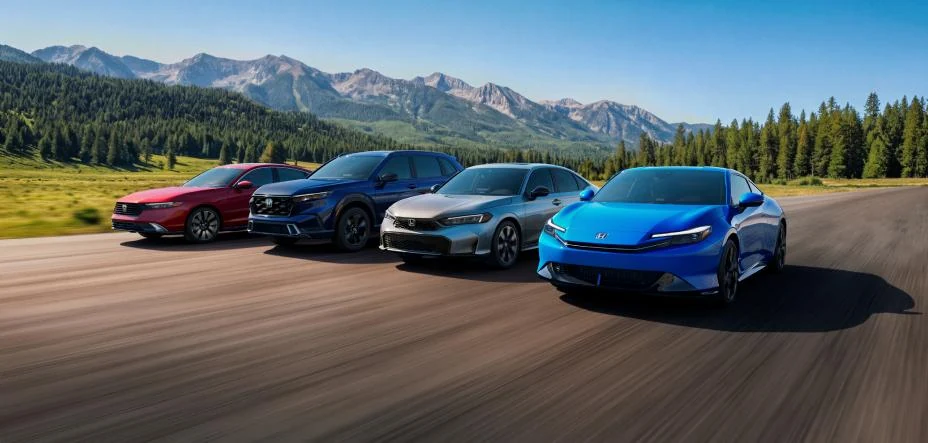
Image: Honda Canada. Honda's strength is the spread across the lineup, not one standout model.
When people compare Honda with Toyota, Hyundai, Kia, Mazda, Subaru, Nissan, Volkswagen, Ford, Chevrolet, GMC, Jeep, or Mitsubishi, they often want one clean winner. That is usually the wrong way to think about it.
No mainstream brand is best at everything. Some are stronger on features. Some are stronger on truck capability. Some are stronger on winter identity, low monthly payments, or dramatic design. Honda's strength is different.
Honda usually wins the ownership conversation. It may not always have the longest brochure, the lowest payment, or the flashiest first impression. But it is consistently strong where buyers still care after six months, three years, and five years.
Honda's real strength: low-regret ownership
A lot of vehicles look exciting in the showroom. Big screens, dramatic lighting, lower payments, and feature lists can make a strong first impression. Those things matter. But long-term owners end up asking different questions.
- Is it reliable?
- Is it easy to live with every day?
- Does it hold value reasonably well?
- Is it comfortable for the family?
- Does it feel safe and confidence-building?
- Will I still think this was a smart decision a few years from now?
This is where Honda becomes unusually strong. Honda tends to make sense after the first impression wears off.
Where Honda fits against the biggest mainstream rivals
Toyota
Toyota is elite at trust and resale reputation. Many buyers walk into that comparison already believing Toyota will last. Honda is strongest with buyers who want that same broad practicality but care more about driving feel, visibility, and smart interior packaging.
Hyundai and Kia
These brands are very strong if your first priority is the most visible features for the money. Honda's pitch is different: fewer brochure fireworks, more emphasis on how the vehicle feels to own over four to six years.
Mazda
Mazda often feels more premium and more design-driven. Honda usually answers with practicality. More usable space. Easier daily ergonomics. Simpler ownership logic. For a lot of families, that matters more than premium mood.
Subaru
Subaru owns a very clear winter and outdoor identity. Honda does not try to be that. Honda's answer is broader: available AWD where it matters, but also better fuel economy, easier packaging, and a more complete all-around daily-driver experience.
Nissan
Nissan often competes well on payment and perceived value. Honda tends to feel stronger when the buyer starts thinking beyond the payment and into resale, fuel cost, and long-term confidence.
Volkswagen, Ford, GM, Jeep, Mitsubishi
Volkswagen brings character. Ford and GM bring truck and full-size capability. Jeep brings emotion and image. Mitsubishi brings affordability. Honda usually answers with the same central idea: less drama, more balance, and a stronger everyday fit for buyers who are not shopping a specialized role.
Why this matters for Vaughan buyers
Most buyers around Vaughan, Maple, and Woodbridge are not choosing a car for one perfect weekend. They are choosing for traffic, family use, parking garages, gas cost, resale, weather, and how easy the thing feels to live with every week.
That is why Honda keeps showing up in serious shortlists. The Civic, Accord, HR-V, CR-V, Pilot, Odyssey, Passport, and Ridgeline are rarely the most extreme answer. They are often the answer that makes the fewest compromises.
The simplest way to explain Honda
If you are a feature buyer, another brand may impress you more today. If you are a payment buyer, another brand may catch your attention faster. If you are a truck or off-road buyer, Honda may not be your brand at all.
But if you want one vehicle that is practical, efficient, safe, easy to drive, likely to hold value reasonably well, and still pleasant after the excitement of delivery day is gone, Honda is one of the strongest mainstream answers.
That is what Honda is good at.
Frequently asked, Vaughan edition
What is Honda's biggest strength compared with mainstream rivals?
Balance. Honda may not always be the cheapest or flashiest, but it consistently combines reliability, resale value, fuel economy, safety, visibility, interior packaging, and easy day-to-day ownership better than many competitors.
Is Honda better than Toyota?
Not automatically. Toyota is excellent on trust and resale. Honda tends to appeal to buyers who still want reliability and practicality but also care about driving feel, visibility, and packaging. The better choice depends on the buyer.
Why do some buyers still choose Honda over feature-heavy brands like Hyundai or Kia?
Because they are shopping the ownership experience, not just the brochure. A Honda can make more sense over four to six years when reliability, resale, fuel cost, and low-stress ownership matter more than the longest feature list today.
Who is Honda usually the right fit for?
Buyers who want one vehicle to do many things well: commute, family duty, road trips, resale, and everyday comfort. Honda is usually strongest for people who want fewer regrets after the excitement of delivery day is gone.
Trying to compare Honda against another mainstream brand honestly?
Send me the model and trim you are cross-shopping. I will tell you where Honda is stronger, where it is not, and whether the difference is worth paying for in your situation.
Ask Henry a question
Not ready to book anything? Just ask. Henry Chen answers every message himself — usually within a couple of hours during business hours. No call list, no pressure, and no obligation to buy anything.