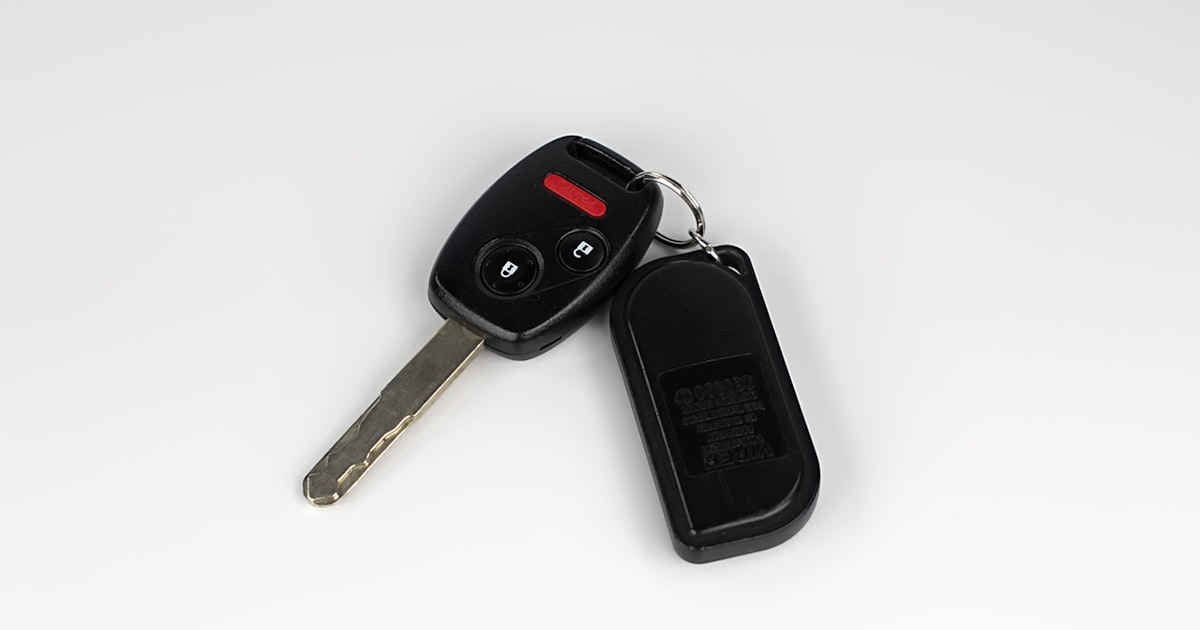
Photo: Maple Honda. Both keys and a clean service history are among the small things that move an appraisal.
Your trade-in value is not locked in the moment you arrive — it is shaped by the decisions you make in the days before. Most buyers put all their energy into picking the new car and treat the trade as an afterthought. That gap shows, and it costs real money. Here are the five things I walk every Vaughan customer through before they bring their vehicle in for Honda trade-in prep at Maple Honda.
1. Check for Open Recalls Before Anything Else
When the appraiser looks at your vehicle, an unresolved recall becomes a talking point. It does not always reduce the dollar figure directly, but it adds up alongside other items. Checking your recalls takes a few minutes through Honda Canada's owner portal or Transport Canada's recall database — search by VIN and you will know in seconds.
If something comes back open, book it with the service department before your trade-in appointment. Most Honda recalls are resolved at no cost to the owner. Arriving with a clean recall status removes a variable that can otherwise complicate the conversation.
2. Get the Oil Changed — or at Least Top It Up
The appraiser opens the hood. It is a quick look, but they are checking for obvious signals: dirty or low oil, corroded battery terminals, fluid levels that are visibly neglected. None of these alone will kill your number, but each one becomes a mental note.
A fresh oil change costs less than the conversation about why you didn't do one. This is worth paying attention to right now — maintenance-up-to-date vehicles have become easier to distinguish because some owners have pushed service intervals further than usual. If you are within 1,500 km of your next scheduled change, do it before you come in.
While you are at it: check the tire pressure, top up the washer fluid, and make sure the warning lights are off. No single item transforms an appraisal, but the cumulative picture of a well-kept car does.
3. Clean the Interior More Than the Exterior
Most owners think to wash the outside. The inside is what actually moves the needle at an appraisal. A dealership will always spot how a vehicle was lived in: dog hair in the rear seat, sand ground into the carpet, a cracked phone holder stuck to the dash. These details do not destroy the offer, but they give the appraiser a mental story about how the vehicle was treated overall.
A thorough vacuum, a wipe-down of the dash and door panels, and a pass with a carpet cleaner go a long way. I am not suggesting a professional detail — just the kind of clean you would do before listing the car privately. The goal is to show that you paid attention to it.
4. Pull Together Your Documents
At minimum, bring the vehicle ownership. If you have a service folder with oil change records and any warranty work done at a dealership, bring that too. Documented maintenance history — even a few receipts — narrows the gap between what you hope the car is worth and what the offer reflects.
If you are currently financing the vehicle, get your exact payoff balance from the lender before your appointment. A current finance or lease statement does this job. Knowing your payoff number means the equity math happens once, clearly, instead of back-and-forth while you are sitting across from me.
For Vaughan buyers arriving from farther afield: texting me your documents in advance means I can run the numbers before you make the drive, which saves everyone time.
5. Know Your Equity Position Before You Walk In
This is the step most people skip — and the one that produces the most surprises at the desk. Your equity position is the difference between what your car is worth and what you owe on it. If you owe more than the car is worth, you are in negative equity. That gap does not disappear when you trade; it gets rolled into the new loan or lease.
Understanding this in advance lets you make a real decision about timing. If you are three months from flipping to positive equity, that is useful information. If your new payment will absorb a rollover comfortably, that is also useful to know. Either way, the conversation at the desk goes better when you have already run this math yourself.
The Essential Car Buyer's Guide I put together covers this in detail — specifically the difference between what a trade-in achieves versus buying certified pre-owned and what the equity picture looks like across a 5-year lease versus a 7-year finance. Knowing which direction you are heading before the appointment keeps the whole process calmer.
One More Thing: Timing the Trade with Current Honda Inventory
A note that applies specifically right now: the 2026 Honda Prologue is fully sold out and has moved to pre-order status at Maple Honda. From the time an order is placed, typical arrival is three to four months. If you are planning to trade your current vehicle toward a Prologue, starting your Honda trade-in prep in Vaughan today means you can lock in your pre-order position sooner.
The trade value and the new-car order can be structured at the same time. You do not need to wait for one step to finish before starting the other — reach out and we can run both conversations in parallel.
Frequently asked, Vaughan edition
Does Maple Honda accept non-Honda vehicles as trade-ins?
Yes. Any make and model is accepted. The appraisal process is the same regardless of brand — bring it in and we will assess it.
Do I need a separate appointment for the trade-in, or does it happen during the visit?
It happens during the regular sales visit. Bring the vehicle and the documents and the appraisal runs alongside the new-car conversation — no extra trip needed.
Will a service record actually move my trade-in number?
Not by a fixed dollar amount, but it removes doubt from the appraiser's mind. Documented history tends to narrow the gap between what you hope the car is worth and what the offer reflects — especially on higher-mileage vehicles.
I still owe money on my car. Can I still trade it in?
Yes, and it is extremely common. The lender payoff gets deducted from the trade-in value. If you owe more than the car is worth, that negative equity rolls into the new loan or lease. Knowing your exact payoff balance before the appointment keeps the math clean and visible.
The 2026 Prologue is sold out — can I pre-order and structure my trade at the same time?
Yes. Pre-orders are open and the trade-in can be structured alongside the new-car order. Typical arrival after placing a Prologue order is three to four months. Getting your Honda trade-in prep done now means you can lock in your spot without delay.
Want help with Honda trade-in prep from a real human?
Henry Chen at Maple Honda will walk you through the numbers in plain English — no pressure, no scripted pitch.
Ask Henry a question
Not ready to book anything? Just ask. Henry Chen answers every message himself — usually within a couple of hours during business hours. No call list, no pressure, and no obligation to buy anything.