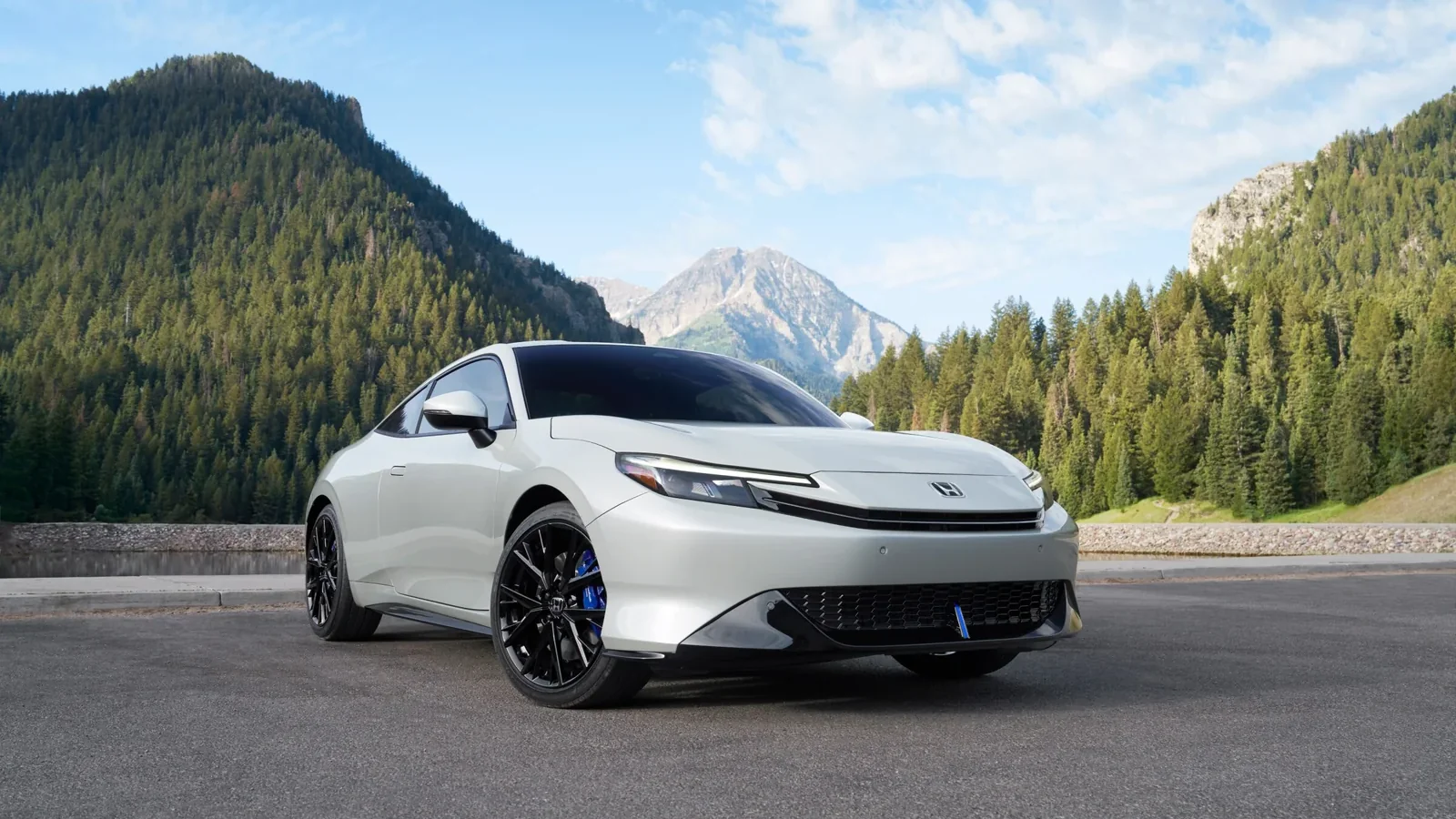
Photo: Honda Canada. 2026 Honda Prelude. Part of the Car Buyer Protection Series by Henry Chen, Maple Honda, Vaughan.
OMVIC's "Look Twice. Buy Smart." campaign is built on a single observation: most bad car deals don't look bad at the moment of signing. They look bad a week later, when the buyer realizes the odometer's been rolled back, the dealer wasn't actually registered, or the fee structure was never what the ad suggested.
The campaign's tagline is the entire framework. Look twice at the ad, the dealer, the vehicle, the contract. Buy smart by giving yourself the time to do that. As a Honda salesman working in Vaughan, I run my deals by exactly the same rule — not because OMVIC is watching, but because the deals that don't pass that test are the deals that create problems three months later.
Look twice at the dealer
Before you visit a dealer, search OMVIC's dealer registry. Confirm the dealer is registered. Confirm the salesperson you're working with is registered. Confirm the dealership's legal name matches the name on the ad. If any of those don't match, walk away.
At the dealership, look for the OMVIC registration certificate on the wall. Look at the dealer's actual business address. Look at the lot — is it a permanent lot with real inventory, or is it a "private seller" with five cars parked in a strip-mall side row? Real dealers want you to verify them. Curbsiders won't.
Look twice at the price
The all-in advertised price is the law. It has to include freight, PDI, admin, OMVIC fee, and any pre-installed accessory the dealer won't remove. If the ad says $34,995 +HST/Lic, that's the price you'll pay at the desk, plus HST and licensing.
Look twice at a headline payment, too. A $168 bi-weekly +TAX payment is only meaningful if you also know the term, the down payment, the residual (if lease), and the rate. A small payment on a long term with no money down is a more expensive deal than a larger payment on a shorter term with real money down. OMVIC's guidance and my own experience agree on this: chase the structure, not the payment.
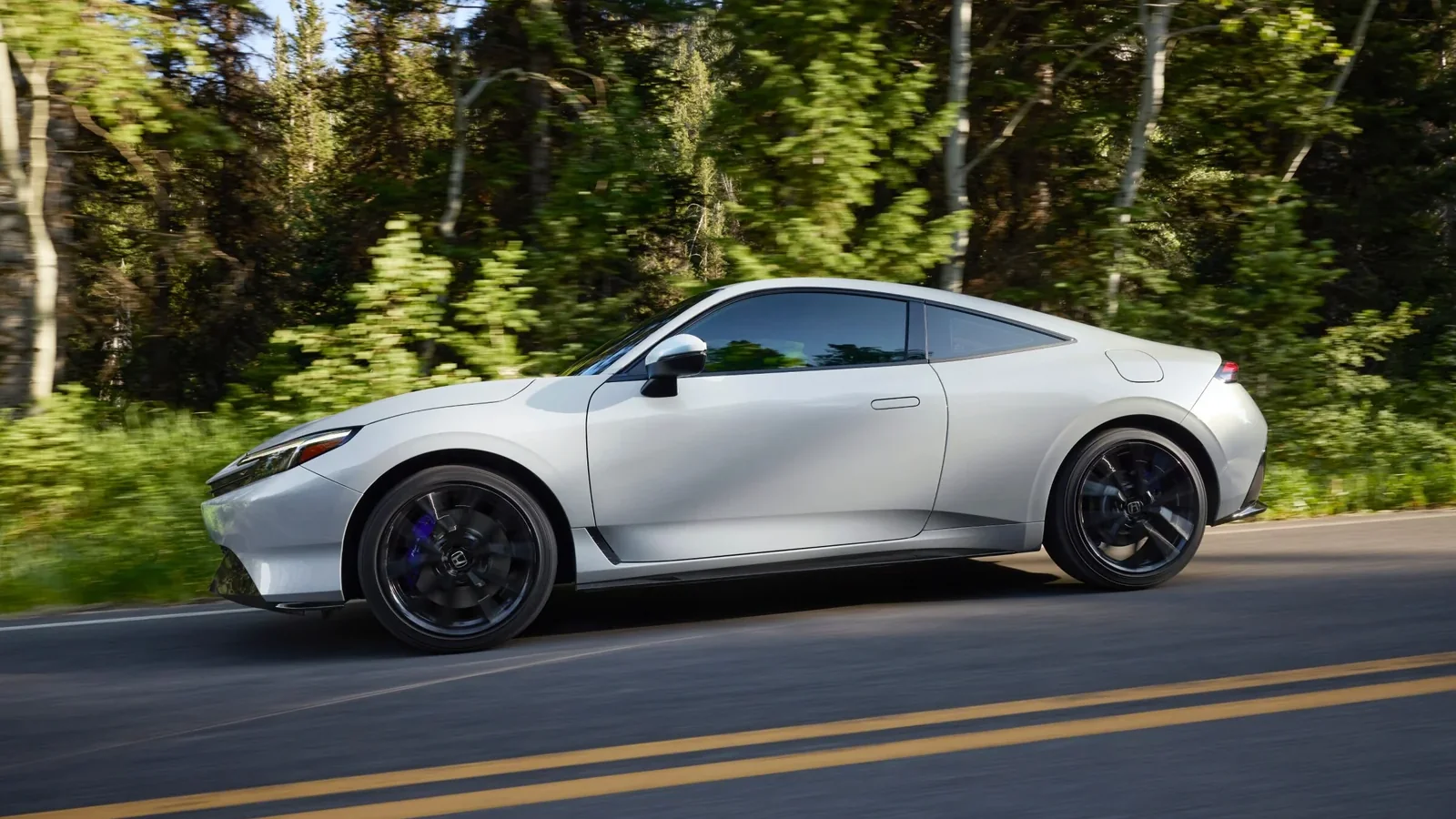
Photo: Honda Canada. 2026 Honda Prelude.
Look twice at the vehicle
On a new Honda, the look-twice checks are simple: confirm the trim, confirm the colour, confirm the accessories, confirm the odometer reading, confirm there are no surprise dealer-installed items. Take a delivery-day walk-around in daylight before you sign.
On a used Honda, the look-twice checks expand: pull a CARFAX, verify the mileage against the disclosure on the contract, inspect the vehicle yourself (or bring a trusted mechanic), confirm the safety certification is on file, and check Transport Canada's recall database.
Look twice at the contract
Read the disclosure block on the contract — every item marked N/A or described is something the dealer is formally attesting to. Read the bill of sale — every fee is itemized, including the OMVIC transaction fee and the admin fee. Read the finance or lease agreement — confirm the rate, term, and any promises the dealer made verbally are in writing.
If anything doesn't match what you were quoted, pause. Don't sign under pressure. OMVIC's guidance on delivery day is "don't be rushed." That's the same rule I'd give any family member walking into a dealership — anywhere, on any brand.
Buy smart: choose a registered dealer and take your time
Buying smart isn't about being clever or aggressive. It's about choosing a registered dealer, giving yourself enough time to verify, asking the questions that make the structure visible, and walking away if the answers don't add up. The deals that hold up three months later are the ones where the buyer felt comfortable at every step.
OMVIC's "Look Twice. Buy Smart." campaign is built to give every Ontario buyer the framework to do that. As a Honda dealer in Vaughan, I'm grateful for it — because the buyers who come in with that framework are the buyers I most enjoy working with.
Frequently asked, Vaughan edition
Is OMVIC's "Look Twice. Buy Smart." campaign just advertising?
No — it's a public-education program tied to OMVIC's regulatory mandate. The campaign's purpose is to remind buyers of the protections OMVIC already enforces (all-in pricing, mandatory disclosures, registered-dealer status, MVDA cancellation rights, Compensation Fund access) and to encourage buyers to use them.
How do I verify a dealer is OMVIC registered?
Use the dealer-search tool on omvic.ca. Look up by name, by salesperson, or by location. If the search comes up empty for a dealer claiming to be registered, that's your answer.
What's the most common mistake OMVIC sees from buyers?
Skipping the verification step because the price is too good to walk away from. If the price doesn't match the structure OMVIC requires, the gap is being made up somewhere — undisclosed damage, rolled-back odometer, unregistered seller, or fees that get added at the desk.
Want me to walk through the OMVIC piece of your next deal?
If you have a quote from another store, a private sale you're considering, or just a question about how OMVIC's rules apply to your situation, send me the details. I will help you pressure-test the structure.
Ask Henry a question
Not ready to book anything? Just ask. Henry Chen answers every message himself — usually within a couple of hours during business hours. No call list, no pressure, and no obligation to buy anything.