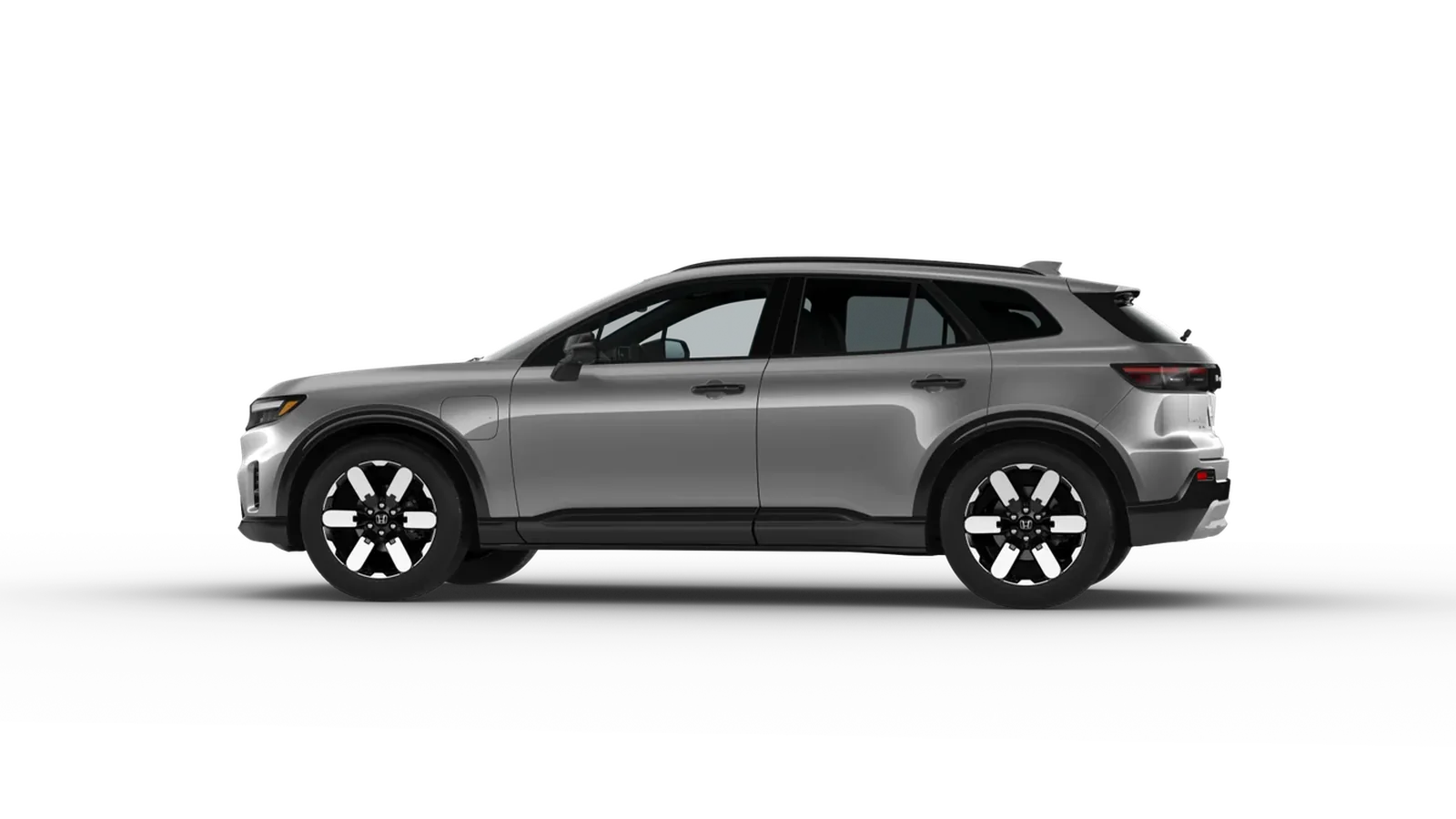
Photo: Honda Canada. 2026 Honda Prologue. Part of the Car Buyer Protection Series by Henry Chen, Maple Honda, Vaughan.
OMVIC's Dealer Premises Guideline sets the physical standards every registered dealer in Ontario has to maintain. Permanent display space, signage, separation from other businesses, secure records storage, business hours that are reachable — the rulebook is concrete.
For buyers, the guideline is the answer to a specific question: what should a legitimate Honda dealership look like? If you walk into a place that doesn't meet these standards, you're either in a non-compliant dealer or somewhere that's not actually an OMVIC-registered dealer at all.
What a registered dealer lot has to have
- OMVIC registration certificate posted visibly to the public
- Permanent business premises separate from other businesses
- A minimum 6-month lease permitting vehicle sales and unrestricted access
- Hours of operation that are reasonable and reachable (or a clearly posted phone/email)
- Signage identifying the dealer by registered name
- A separate, permanent, enclosed office space with secure records storage
- An area marked for vehicle display, with the dealer's name on the display area and on each vehicle
- Compliance with municipal bylaws for the operation of the business
- Appropriate insurance including compulsory automobile insurance
The OMVIC registration certificate is the single biggest signal
Every OMVIC-registered dealer is required to post their certificate of registration at the business premises. The certificate shows the registered name, registration number, class of registration, registration expiry date, and the place of business.
If you walk into a Honda store and don't see the certificate on the wall, ask. Any registered dealer will produce it immediately. If the dealer can't or won't, that's your first warning sign.
Photo: Honda Canada. 2026 Honda Passport.
The dealer's lot vs a curbsider's setup
- Registered dealer: permanent lot, registered name on signage, OMVIC certificate posted, business hours, separate office, multiple vehicles on display with the dealer's name on each
- Curbsider: no permanent lot, vehicles parked on a side street or in a small lot behind another business, no OMVIC certificate, often operates by appointment only
- Online-only curbsider: no physical location at all, just an ad on Kijiji or AutoTRADER that promises a deal too good to be true
The vehicle display rules
A registered dealer has to display vehicles in an area marked with the dealer's name. Each vehicle has to have a sign on it that clearly indicates the selling dealer's name. This is part of the dealer's Code of Ethics obligations.
If the vehicles on the lot don't have the dealer's name on them, or the lot area isn't marked, the dealer is cutting corners on the basic disclosure framework. It's not a deal-breaker by itself, but combined with other warning signs it's a sign of a non-compliant dealer.
The records and office requirement
Every registered dealer has to maintain a separate, permanent, fully-secured and enclosed office space. The office has to be large enough for secure storage of six years' worth of records (or sufficient electronic storage).
The office also has to be where the dealer conducts business — customer meetings, contract signing, financial discussions. If the dealer wants to meet you at a coffee shop or a strip-mall kiosk rather than at their office, that's a deviation from the standard.
What to do when the dealer doesn't meet these standards
- Ask to see the OMVIC certificate of registration — they have to produce it
- Verify the dealer on the OMVIC dealer-search tool at omvic.ca/dealer-search
- Ask whether the salesperson you're working with is individually registered
- Ask whether the office is the registered business premises
- If any of these answers are evasive, take your business elsewhere
Frequently asked, Vaughan edition
Does a registered dealer have to be a full dealership with a showroom?
Yes, for general dealers (the class that sells new and used vehicles to consumers). The Dealer Premises Guideline requires a permanent location sufficient for displaying vehicles, separate from other businesses, with the OMVIC certificate posted and the registered name on signage.
What if the dealer is online-only?
Online-only dealers are still required to have a registered business premises in Ontario — just one that doesn't need a large physical showroom. OMVIC's dealer-premises requirements apply. The online-only model is legitimate, but the dealer still needs a real registered location behind the website.
Can a dealer operate out of a home?
No, not for general dealers. The business premises must be separate from a dwelling. For some non-retail dealer classes (like exporters), a flexible office space for record-keeping may be allowed, but the home itself can't be the registered premises.
What should I look for when visiting a dealer in person?
Five things: (1) OMVIC registration certificate visibly posted at the front desk, (2) the dealer's physical address matches what is on their website and the OMVIC registry, (3) the lot is well-maintained and vehicles are clean (signs of basic care), (4) the salesperson is willing to answer questions without pressure, (5) the test drive route is meaningful (not just around the block). Red flags: empty or under-renovated lot, no posted registration, pushy sales tactics, evasive on pricing.
Does a dealer have to post its OMVIC registration at the premises?
Yes. OMVIC requires every registered dealer to display their certificate of registration in a conspicuous place at the dealership, accessible to customers. If you do not see it, ask. If they cannot produce it, walk away — they may not be properly registered. You can verify any dealer directly through OMVIC's online dealer search.
Is a dealer allowed to operate multiple locations?
Yes, but each location requires its own OMVIC registration. Some large dealer groups run 5 to 10+ locations under separate registrations. Each individual location must follow MVDA rules and post its own registration. Henry's setup at Maple Honda is a single registered location — the address matches the OMVIC registry exactly.
Can I buy a car from a dealer outside Ontario and bring it back?
Yes, but with extra steps. Out-of-province dealers are not registered with OMVIC, so the MVDA's protections may not apply to the transaction itself. You will need to pass a Canadian vehicle inspection (if required by your province), get a UVIP-equivalent from the selling province, and handle the registration transfer through Ontario's Ministry of Transportation. Buying local means OMVIC protection and easier paperwork.
Should I be suspicious of a dealer that does not have a physical showroom?
Context matters. Online-only dealers can be legitimate (often backed by a physical lot) but they must still be OMVIC-registered. Verify the registration online through OMVIC's dealer search. If the online dealer has no physical address you can visit, no posted registration certificate, and no clear business address — those are red flags. Walk away or insist on the dealer meeting you at a public location for delivery.
Want me to walk through the OMVIC piece of your next deal?
If you have a quote from another store, a private sale you're considering, or just a question about how OMVIC's rules apply to your situation, send me the details. I will help you pressure-test the structure.
Ask Henry a question
Not ready to book anything? Just ask. Henry Chen answers every message himself — usually within a couple of hours during business hours. No call list, no pressure, and no obligation to buy anything.